With more than 10‑year industry experience, Shandong Headpowder delivers full‑service pneumatic‑conveying systems and blowers, undertaking nationwide turn‑key powder‑handling projects.
When it comes to handling and transporting corn kernels efficiently, selecting the right conveying method is crucial for optimizing workflow, minimizing operational costs, and ensuring product integrity. As a leading provider in the industry, Shandong HeadPowder Engineering Co., Ltd. (commonly known as HeadPowder) specializes in designing and manufacturing advanced corn kernel conveying solutions tailored to diverse industrial needs. This article explores the primary methods used for corn kernel transportation, highlighting their advantages, applications, and how they contribute to seamless agricultural and food processing operations.
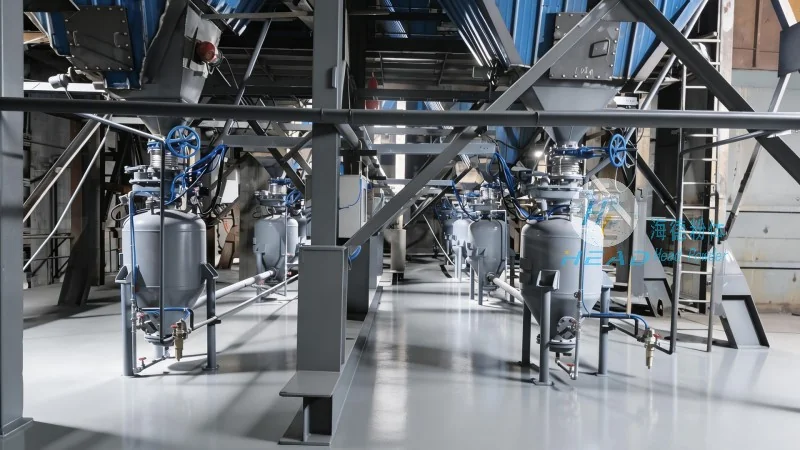
Gravity conveying relies on the natural force of gravity to move corn kernels from one elevation to another. This method typically involves inclined chutes or troughs that allow kernels to flow downward under their own weight. For applications where the vertical or horizontal distance between the source and destination is relatively short, gravity conveyors offer a simple, low-cost solution. They are particularly effective in environments where minimal mechanical intervention is preferred, such as in bulk storage facilities or during initial sorting stages. The design of gravity conveyors often incorporates smooth, non-stick surfaces to prevent kernel sticking and ensure consistent flow. HeadPowder’s expertise in material handling systems includes the integration of gravity-based components that enhance durability and efficiency, making them suitable for long-term use in agricultural processing plants.
For more demanding applications, mechanical conveying systems provide the necessary power and control to move corn kernels over longer distances or against gravity. These systems typically use components like belt conveyors, screw conveyors, or chain conveyors to transport kernels. Belt conveyors, for instance, are widely used in corn processing facilities due to their ability to handle large volumes of material while maintaining a consistent speed. Screw conveyors, on the other hand, are ideal for vertical or inclined transport, as they can lift kernels from lower to higher levels without the need for external power beyond the motor. Mechanical conveyors offer advantages such as high capacity, reliability, and the ability to integrate with other processing equipment. HeadPowder’s mechanical conveying solutions are engineered to withstand the abrasive nature of corn kernels, ensuring long service life and minimal maintenance. By incorporating advanced materials and design, these systems maintain product quality while optimizing operational performance.
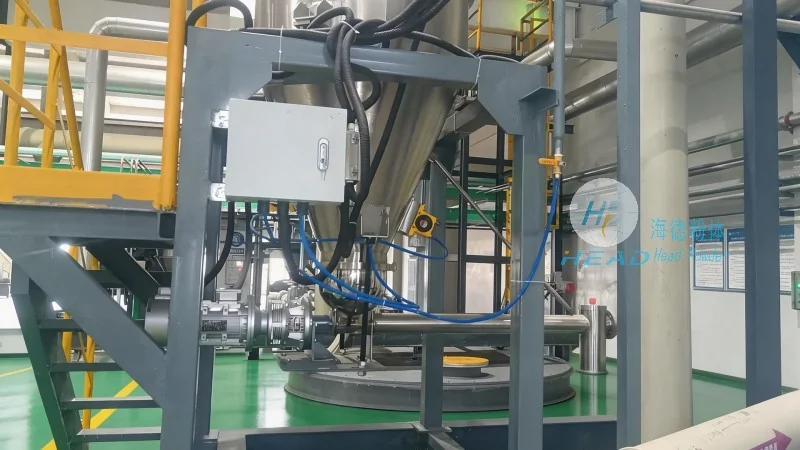
Air conveying, or pneumatic conveying, uses air pressure to transport corn kernels through a pipeline system. This method is particularly effective for moving kernels over long distances or in environments where dust control is critical. There are two main types of air conveyors: pressure and vacuum systems. Pressure systems push kernels through the pipeline using compressed air, while vacuum systems draw kernels into the line using a vacuum pump. Air conveying offers advantages such as high speed, the ability to transport kernels in a closed system (reducing dust exposure), and flexibility in routing. However, it requires careful consideration of air pressure, flow rates, and material properties to prevent blockages or degradation of the kernels. HeadPowder’s air conveying solutions are designed with precision to ensure efficient and reliable transport, minimizing energy consumption and maximizing throughput. These systems are often integrated with dust collection and filtration equipment to maintain a clean and safe working environment.
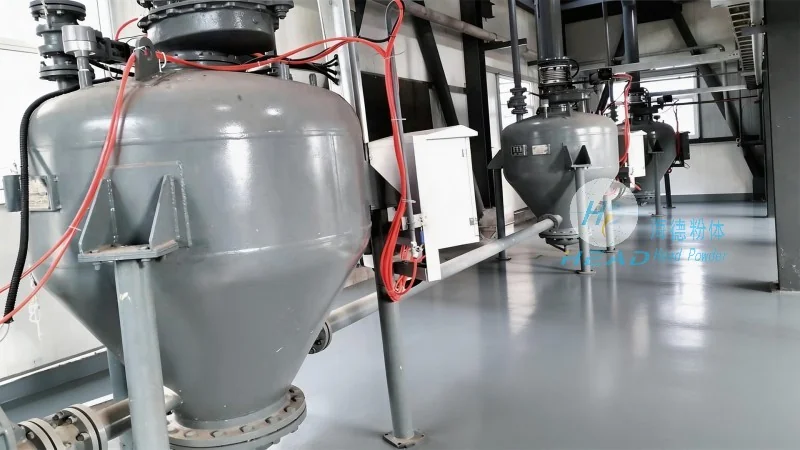
In many industrial settings, a single conveying method may not be sufficient to meet all operational requirements. Combination conveying systems, which integrate multiple technologies (e.g., gravity and mechanical or mechanical and air), provide the flexibility needed to handle diverse corn kernel handling tasks. For example, a system might use a gravity chute to transport kernels from a storage bin to a mechanical conveyor, which then moves them to an air conveyor for final processing. This approach allows for efficient material flow while adapting to varying production demands. HeadPowder specializes in designing customized combination systems that optimize workflow and reduce bottlenecks in corn processing facilities. By leveraging the strengths of each conveying method, these systems enhance overall productivity and ensure consistent product quality.
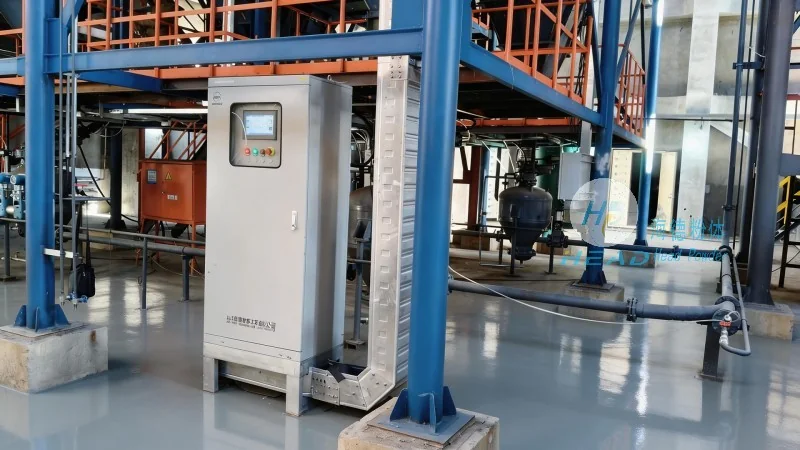
Choosing the appropriate corn kernel conveying method involves evaluating several factors, including the volume of material to be transported, the distance between the source and destination, the required speed, and the need for dust control or product protection. Cost is also a critical factor, as different systems have varying upfront and operational expenses. For instance, gravity conveyors are generally the most economical option for short distances, while air conveyors may be more expensive but offer superior dust control. The physical properties of the corn kernels, such as size, shape, and moisture content, also influence the choice of conveying method. Kernels with high moisture content may require systems that prevent clumping or degradation, such as mechanical or air conveyors with gentle handling features. HeadPowder’s team of engineers works closely with clients to assess these factors and recommend the most suitable conveying solution, ensuring that the final system meets both current and future operational needs.
Efficient corn kernel conveying is essential for maintaining productivity and quality in agricultural and food processing operations. By understanding the various conveying methods and their applications, businesses can select the most appropriate solution for their specific needs. Shandong HeadPowder Engineering Co., Ltd. (HeadPowder) stands as a trusted partner in this process, offering a range of advanced conveying systems that combine reliability, efficiency, and durability. Whether you require gravity, mechanical, air, or combination conveying solutions, HeadPowder’s expertise ensures that your corn kernel handling operations run smoothly and effectively. With a focus on tailored solutions and customer satisfaction, HeadPowder continues to lead the way in providing innovative material handling solutions for the corn processing industry.

 Shandong Headpowder Engineering Co., Ltd.
 156-6277-7102(Manager Zhang)
  0531-83386006
  Zhangqiu District, Jinan City, Shandong Province, China
telephone
WeChatconsult
top