With more than 10‑year industry experience, Shandong Headpowder delivers full‑service pneumatic‑conveying systems and blowers, undertaking nationwide turn‑key powder‑handling projects.
Aluminum sulfate, also known as aluminum sulfate, is a widely used chemical in various industrial applications, including water treatment, paper manufacturing, and chemical processing. The efficient and safe transportation of aluminum sulfate is crucial for maintaining the quality and integrity of the product during transit. This article provides an overview of the common methods used for transporting aluminum sulfate, highlighting the key considerations and best practices for each approach.
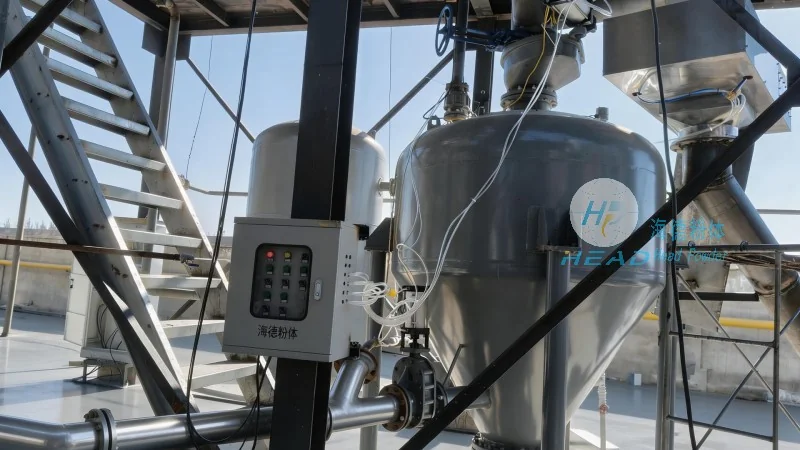
One of the most common methods for transporting aluminum sulfate is through pumping systems. These systems are particularly effective for handling the liquid form of aluminum sulfate, which is often stored in tanks or reservoirs before transport. The pumping process involves using specialized pumps, such as centrifugal or positive displacement pumps, to move the liquid through pipelines to the destination. The choice of pump depends on factors like the viscosity of the aluminum sulfate solution, the distance to be covered, and the required flow rate. For instance, when transporting a concentrated aluminum sulfate solution, a centrifugal pump may be preferred due to its ability to handle high volumes efficiently. On the other hand, positive displacement pumps are suitable for handling more viscous or thick solutions, ensuring consistent flow without clogging. The pumping system typically includes components like valves, filters, and pressure regulators to maintain the integrity of the aluminum sulfate and prevent contamination or degradation. Proper maintenance of the pumping equipment is essential to ensure reliable operation and to minimize downtime during transportation.
Pipeline transportation is another widely adopted method for moving aluminum sulfate, especially for large-scale industrial operations. This method involves constructing a network of pipelines that connect the production facility to the end-users or storage locations. The pipelines are usually made of materials like stainless steel or high-density polyethylene (HDPE) to withstand the corrosive nature of aluminum sulfate and to ensure durability over time. The design of the pipeline system includes considerations such as the diameter of the pipes, the slope of the pipeline to facilitate gravity flow if needed, and the use of insulation to prevent temperature fluctuations that could affect the solution's properties. For example, in water treatment plants, aluminum sulfate is often transported via pipelines to treatment facilities where it is used as a coagulant. The pipeline system may include monitoring equipment to track flow rates, pressure, and temperature, allowing operators to adjust the system as needed to maintain optimal conditions. The use of pipelines for aluminum sulfate transport offers advantages such as reduced labor costs, lower risk of spillage compared to road transport, and the ability to transport large volumes continuously. However, it requires significant upfront investment in infrastructure and regular maintenance to ensure the system remains functional and safe.
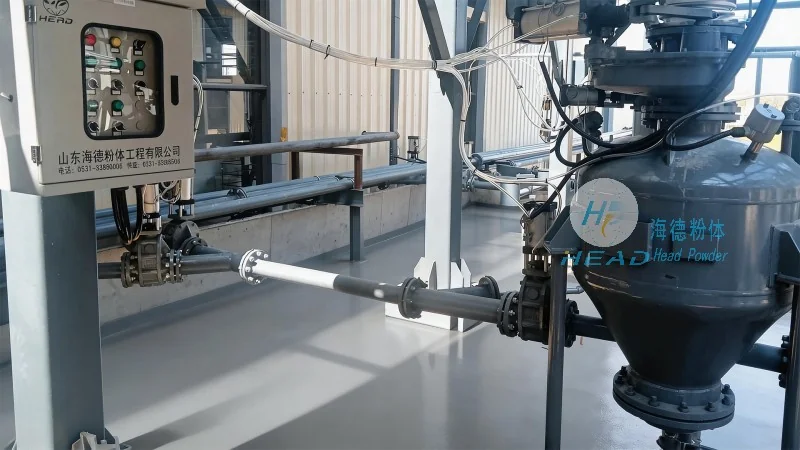
Tank truck transportation is a common method for transporting aluminum sulfate in bulk quantities, especially for applications where the product is needed at various locations or for large-scale industrial processes. Tank trucks are specialized vehicles equipped with large, cylindrical tanks designed to store and transport liquid aluminum sulfate. The tanks are typically made of stainless steel or other corrosion-resistant materials to prevent the aluminum sulfate from reacting with the tank surface and to maintain product quality. The truck is equipped with a pump system at the rear to transfer the aluminum sulfate from the tank to the destination, such as a storage tank or processing plant. The process involves loading the aluminum sulfate into the tank at the production facility, securing the tank, and then transporting it to the customer's site. During transport, the tank is often insulated to maintain the temperature of the aluminum sulfate, which is important for preventing precipitation or changes in the solution's properties. The tank truck may also be equipped with a heating or cooling system to regulate the temperature as needed. Safety is a critical aspect of tank truck transportation, as aluminum sulfate is a heavy liquid that requires proper handling to prevent accidents. Regulations and standards, such as those set by the Department of Transportation (DOT) in the United States, govern the operation of tank trucks to ensure the safety of drivers, other road users, and the environment. For example, tank trucks must be inspected regularly for leaks, corrosion, or other damage, and drivers must be trained in the safe operation of these vehicles. The use of tank trucks allows for flexible and efficient delivery of aluminum sulfate to a wide range of customers, making it a popular choice for many industries.
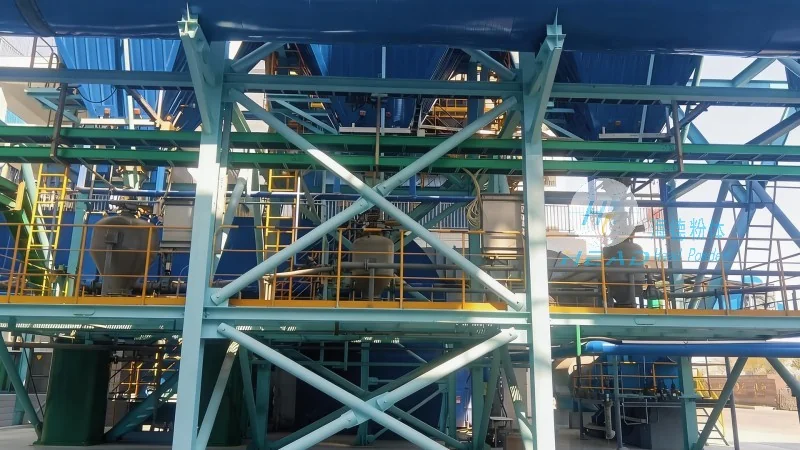
Bulk storage and transfer methods are also used for aluminum sulfate, particularly when the product is stored in large quantities before being transported to the end-user. This method involves storing aluminum sulfate in bulk containers, such as storage tanks or silos, and then transferring it to transport vehicles or pipelines as needed. The storage tanks are typically made of stainless steel or other materials that can resist the corrosive effects of aluminum sulfate. The transfer process may involve using pumps or gravity flow to move the aluminum sulfate from the storage tank to the transport vehicle. For example, in a water treatment plant, aluminum sulfate may be stored in a large tank and then pumped into a tank truck for delivery to other treatment facilities. The use of bulk storage and transfer methods allows for efficient management of inventory and ensures a steady supply of aluminum sulfate to meet the demands of various applications. This method is particularly useful for industries that require large quantities of aluminum sulfate on a regular basis, as it reduces the frequency of deliveries and minimizes the risk of stockouts. However, it requires proper storage facilities and equipment to maintain the quality of the aluminum sulfate and to prevent contamination or degradation. Regular maintenance of the storage tanks and transfer equipment is essential to ensure the reliability of the system and to minimize downtime.
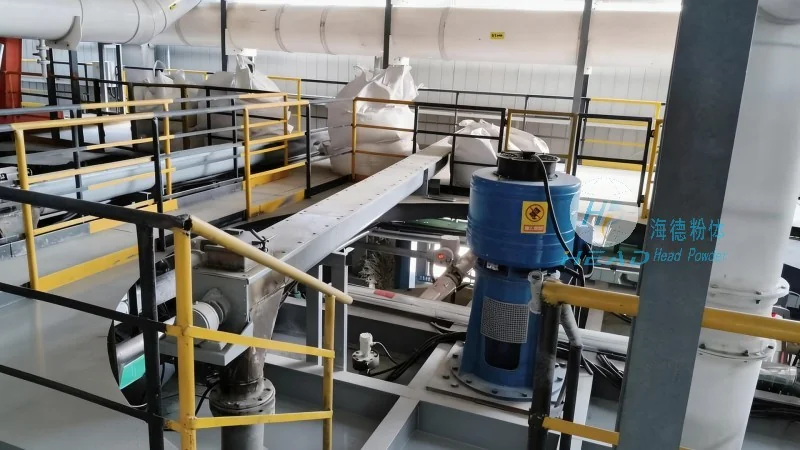
Regardless of the method used for transporting aluminum sulfate, several key considerations must be taken into account to ensure safety and efficiency. First, the chemical properties of aluminum sulfate must be considered, as it is a corrosive substance that can cause damage to equipment and pose health risks if not handled properly. Proper protective equipment, such as gloves, goggles, and respirators, should be used by personnel handling the aluminum sulfate during transport. Second, the physical properties of the aluminum sulfate solution, such as its viscosity and density, must be considered when selecting the appropriate transport method. For example, a highly viscous solution may require a different pump or transfer system compared to a more fluid solution. Third, the distance and route of transport must be carefully planned to minimize the risk of accidents and to ensure compliance with local regulations. For instance, tank trucks transporting aluminum sulfate must follow specific routes and speed limits to avoid hazards. Fourth, regular monitoring and maintenance of the transport equipment are essential to ensure that the aluminum sulfate is transported safely and efficiently. This includes checking for leaks, corrosion, or other damage to the tanks or pipelines, and performing routine maintenance on the pumps and other equipment. Finally, proper documentation and record-keeping are necessary to track the transportation of aluminum sulfate, including the quantity, destination, and any incidents or issues that occur during transit. This information is important for quality control and for ensuring compliance with regulatory requirements.
In conclusion, the transportation of aluminum sulfate is a critical process that requires careful consideration of various factors to ensure the product is delivered safely and efficiently. The methods used for transporting aluminum sulfate include pumping systems, pipeline transportation, tank truck transportation, and bulk storage and transfer methods. Each method has its advantages and limitations, and the choice of method depends on factors such as the quantity of aluminum sulfate to be transported, the distance to the destination, and the specific requirements of the end-user. Proper planning, equipment selection, and maintenance are essential to ensure the successful transportation of aluminum sulfate. By following best practices and adhering to safety regulations, companies can ensure that aluminum sulfate is transported in a manner that maintains its quality and integrity, and that it reaches the end-user in a safe and timely manner.

 Shandong Headpowder Engineering Co., Ltd.
 156-6277-7102(Manager Zhang)
  0531-83386006
  Zhangqiu District, Jinan City, Shandong Province, China
telephone
WeChatconsult
top