With more than 10‑year industry experience, Shandong Headpowder delivers full‑service pneumatic‑conveying systems and blowers, undertaking nationwide turn‑key powder‑handling projects.
Feed powder conveying lines are essential systems in the animal feed and agricultural industries, designed to transport bulk feed powders efficiently and safely from storage to processing or packaging areas. Understanding the underlying principles and the specific working scene characteristics of these systems is crucial for optimizing operations and ensuring consistent product quality. This article explores the fundamental mechanisms of feed powder conveying lines, highlighting key aspects that define their performance and suitability for various industrial applications.
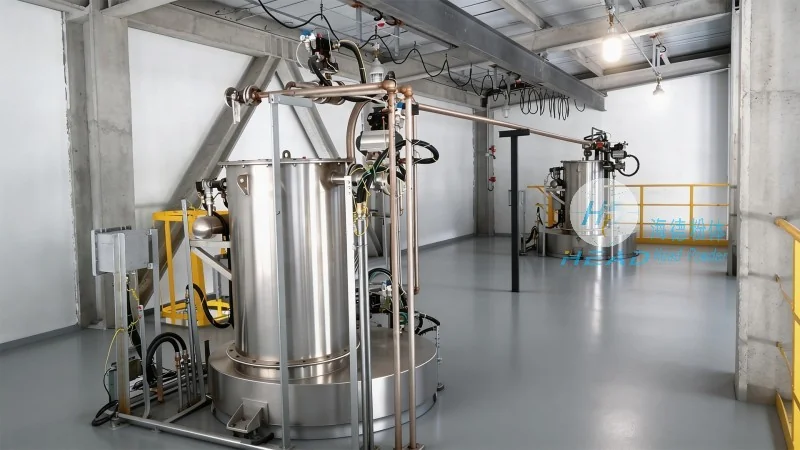
HeadPowder, a leading manufacturer in the field, specializes in the design, development, and installation of advanced feed processing equipment. With a strong commitment to innovation and quality, the company has established itself as a trusted partner for businesses seeking reliable solutions for feed handling and transportation. HeadPowder's expertise lies in creating customized conveying systems that meet the unique demands of different feed production environments, ensuring durability, efficiency, and compliance with industry standards.
The core principle of feed powder conveying lines is to move bulk feed powders through a network of components, including hoppers, conveyors, and control systems, while maintaining the integrity of the material. These systems typically operate under pressure or vacuum, depending on the specific design, to ensure smooth and continuous flow. Key mechanisms include pneumatic conveying, where air is used to transport the powder, and mechanical conveying, which relies on screw or belt systems. The choice of mechanism depends on factors such as the feed's moisture content, particle size, and the required conveying distance. For instance, pneumatic systems are ideal for long-distance transport and handling of fine powders, while mechanical systems are more suitable for shorter distances and bulkier materials.
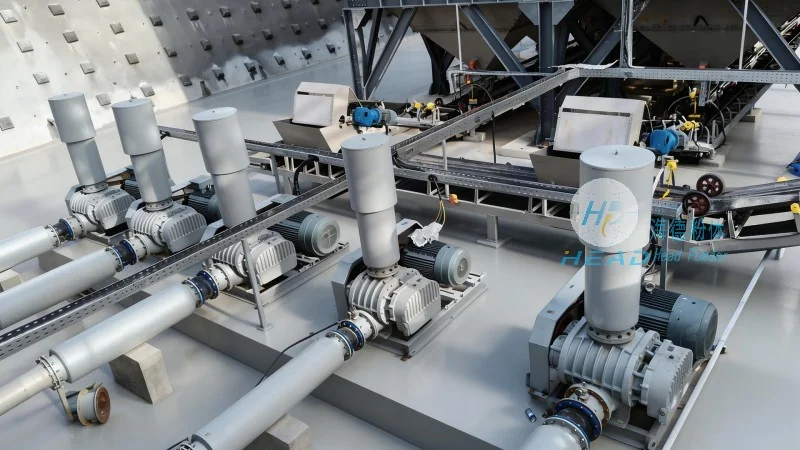
The working scene characteristics of feed powder conveying lines vary significantly based on the application and the environment in which they are used. In large-scale feed mills, these systems are often integrated into complex production lines, requiring high throughput and minimal downtime. The design must accommodate high volumes of feed, ensuring that the conveying process does not introduce contaminants or degrade the feed quality. Additionally, the systems must be easy to clean and maintain to meet hygiene standards, which is critical in food processing industries. In smaller feed operations, the focus may be on cost-effectiveness and simplicity, with conveyors that are more compact and less complex. The working scene also includes considerations for space constraints, as feed mills often have limited room for large equipment. HeadPowder's solutions address these diverse needs by offering flexible designs that can be adapted to different operational scales and environmental conditions.
Modern feed powder conveying lines from HeadPowder feature several advanced features that enhance their performance and reliability. These include automated control systems that monitor and adjust the conveying process in real-time, ensuring consistent flow rates and preventing blockages. The use of high-quality materials, such as stainless steel, ensures durability and resistance to corrosion, which is essential for handling feed powders that may contain moisture or acidic components. Additionally, the systems are designed for easy integration with other feed processing equipment, allowing for seamless operation from raw material storage to final product packaging. The benefits of these advanced features include improved efficiency, reduced maintenance costs, and enhanced product quality, making them a valuable investment for feed manufacturers.
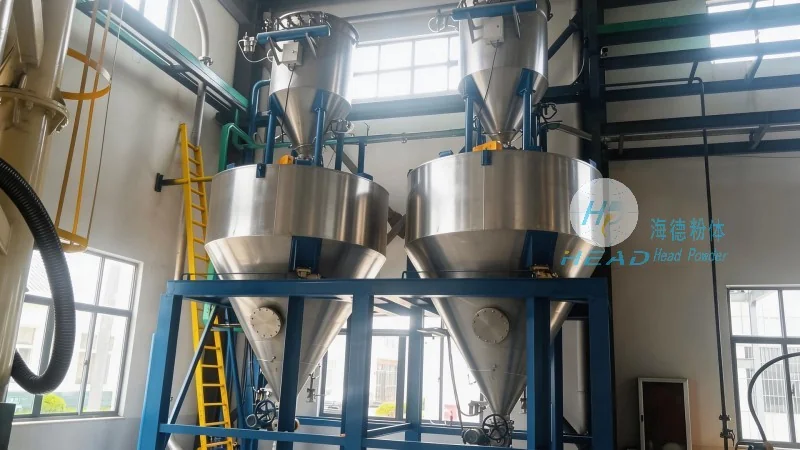
Feed powder conveying lines are widely used in various sectors of the animal feed industry, including poultry, livestock, and aquaculture. In poultry feed production, for example, these systems are used to transport feed from silos to mixing and grinding units, ensuring that the feed is delivered in the correct proportions. In livestock feed mills, the conveyors help move feed to different stages of processing, such as pelleting or extrusion. The systems must comply with industry standards, such as those set by the National Animal Health Laboratory Services (NAHLS) and the Food and Drug Administration (FDA), to ensure safety and quality. HeadPowder's products are designed to meet these standards, providing customers with peace of mind that their feed handling processes are in line with regulatory requirements.
In conclusion, feed powder conveying lines are critical components of modern feed processing operations, and understanding their principles and working scene characteristics is essential for optimizing performance. HeadPowder's expertise in designing and manufacturing these systems ensures that businesses can achieve efficient, reliable, and cost-effective feed handling solutions. By focusing on the specific needs of each application, HeadPowder provides customized solutions that enhance productivity and maintain the quality of feed products. As the demand for high-quality animal feed continues to grow, the importance of advanced conveying systems will only increase, making them a vital investment for feed manufacturers.

 Shandong Headpowder Engineering Co., Ltd.
 156-6277-7102(Manager Zhang)
  0531-83386006
  Zhangqiu District, Jinan City, Shandong Province, China
telephone
WeChatconsult
top