With more than 10‑year industry experience, Shandong Headpowder delivers full‑service pneumatic‑conveying systems and blowers, undertaking nationwide turn‑key powder‑handling projects.
HeadPowder, a leading provider in the field of powder handling technology, specializes in the design, manufacturing, and implementation of pneumatic conveying systems tailored for inorganic salt powders. This article delves into the operation process and working principle of such systems, offering a comprehensive understanding of how these advanced solutions efficiently transport inorganic salt powders while ensuring optimal performance and reliability.
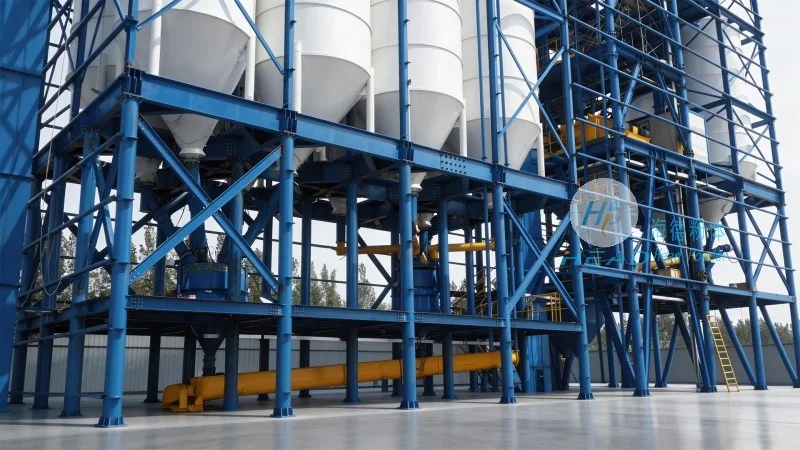
Pneumatic conveying systems are widely utilized in the chemical and material processing industries for the transport of dry powders, including inorganic salts. These systems offer a flexible and efficient method to move powders over short to medium distances, often replacing traditional mechanical conveying methods like belt conveyors or screw conveyors. The primary advantage lies in their ability to handle a variety of powder characteristics, such as particle size, density, and flowability, while minimizing product contamination and maintaining a clean working environment.
The core of a pneumatic conveying system is the use of compressed air or gas to transport the powder. The process typically involves creating a pressure differential between the conveying line and the ambient environment. When air is introduced into the system, it generates a flow that entrains the powder particles, carrying them through the pipeline. The working principle can be categorized into two main types: pressure and vacuum systems. In pressure systems, the conveying air is introduced at a higher pressure than the ambient, pushing the powder forward. In vacuum systems, the air is drawn from the pipeline, creating a negative pressure that pulls the powder into the line. For inorganic salt powders, the choice of system depends on factors like the material's properties, the distance to be covered, and the required flow rate.
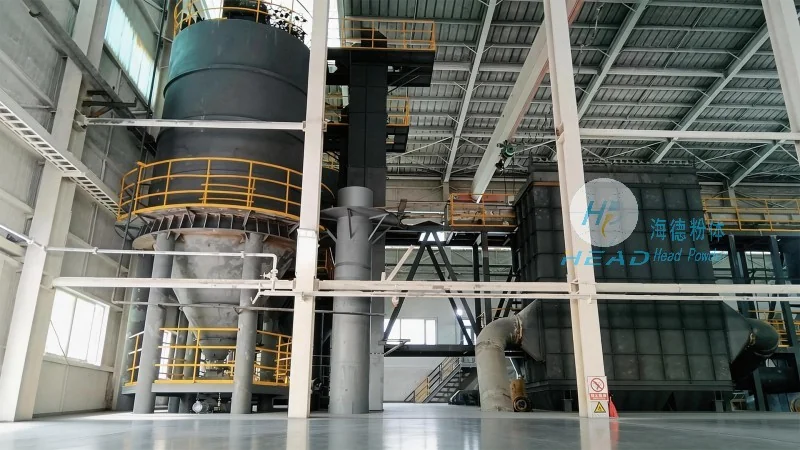
The operation process of an inorganic salt powder pneumatic conveying system involves several key steps, each critical to ensuring smooth and efficient transport. The process begins with the preparation of the powder, which may include screening or drying to ensure consistent particle size and moisture content. The powder is then fed into the system via a hopper or feeder, which controls the flow rate to prevent overloading or blockages. The compressed air is then introduced into the conveying line, creating the necessary pressure or vacuum to move the powder. As the powder travels through the pipeline, it may encounter various components such as bends, elbows, or expansion chambers, which help maintain the flow and prevent particle separation or degradation. At the destination, the powder is separated from the air using a cyclone separator or filter, and the air is either recycled or vented to the atmosphere. The separated powder is then collected in a storage bin or directly to the next processing stage.
Several key components work in tandem to ensure the efficient operation of a pneumatic conveying system for inorganic salt powders. These include the air compressor or vacuum pump, which provides the necessary pressure or vacuum; the hopper and feeder, which control the powder flow; the conveying line, which transports the powder; the cyclone separator or filter, which separates the powder from the air; and the control system, which monitors and adjusts the operation parameters. Each component plays a crucial role in maintaining the system's performance and ensuring the safe and reliable transport of the inorganic salt powder.
Implementing pneumatic conveying systems for inorganic salt powders offers numerous advantages over traditional mechanical methods. These include reduced product contamination due to the enclosed system, lower maintenance requirements as there are fewer moving parts, and improved safety as the system is fully enclosed. Additionally, pneumatic conveying allows for flexible system design, enabling the transport of powders over varying distances and to multiple destinations. The ability to handle different powder characteristics, such as varying particle sizes or moisture levels, makes these systems highly adaptable to the specific needs of inorganic salt applications.
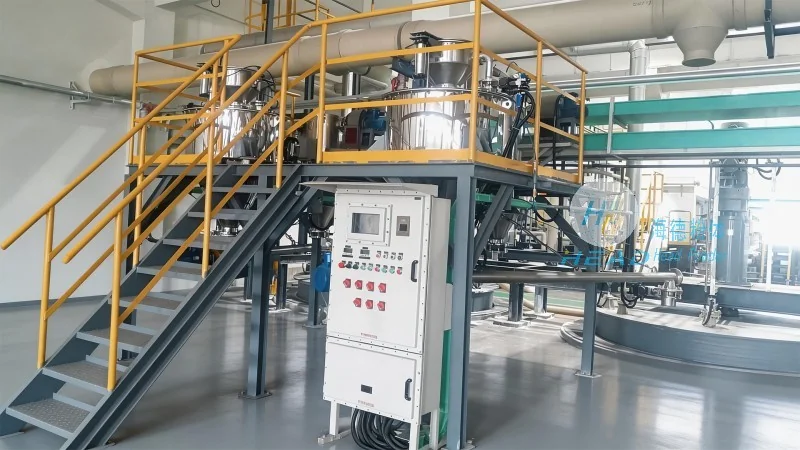
Inorganic salt powders are widely used in various industries, including food processing, pharmaceuticals, and chemical manufacturing. Pneumatic conveying systems are particularly beneficial in these applications due to their ability to handle hygienic and non-hygienic powders. For example, in food processing, the system can transport salt powders to production lines while maintaining strict hygiene standards. In pharmaceuticals, the enclosed system prevents cross-contamination and ensures the purity of the powder. In chemical manufacturing, the system can efficiently transport various inorganic salts used in production processes, such as sodium chloride or potassium sulfate.
HeadPowder, with its expertise in powder handling technology, provides comprehensive solutions for the pneumatic conveying of inorganic salt powders. By understanding the operation process and working principle of these systems, industries can leverage the benefits of efficient, reliable, and flexible powder transport. The company's commitment to quality and innovation ensures that its systems meet the highest standards, delivering optimal performance and contributing to the success of various industrial applications.

 Shandong Headpowder Engineering Co., Ltd.
 156-6277-7102(Manager Zhang)
  0531-83386006
  Zhangqiu District, Jinan City, Shandong Province, China
telephone
WeChatconsult
top