With more than 10‑year industry experience, Shandong Headpowder delivers full‑service pneumatic‑conveying systems and blowers, undertaking nationwide turn‑key powder‑handling projects.
Shandong HeadPowder Engineering Co., Ltd., based in Shandong, China, specializes in the design and manufacturing of advanced powder conveying systems tailored for various industrial applications. The company's expertise lies in developing efficient and reliable solutions for handling sorghum powder, a key raw material in many food and feed processing industries. This article explores the fundamental principles behind sorghum powder conveying lines and highlights the distinct working characteristics that make them suitable for specific operational environments.
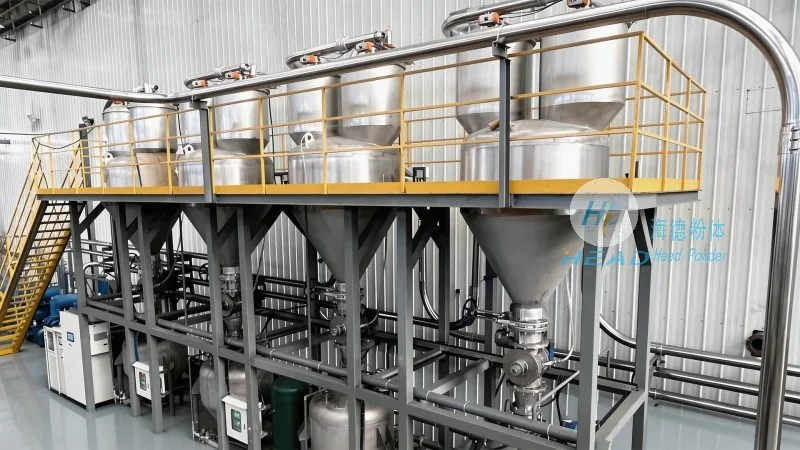
The core principle of sorghum powder conveying lines revolves around the efficient transport of fine powder materials like sorghum flour or meal from one processing stage to another. These systems typically utilize a combination of mechanical components, such as screw conveyors, pneumatic conveyors, or bucket elevators, to move the powder in a controlled manner. The design of the conveying line is tailored to the physical properties of sorghum powder, including its particle size, moisture content, and flowability. For instance, pneumatic conveying systems are often preferred for their ability to handle fine powders with minimal dust generation, while mechanical screw conveyors provide a more direct and energy-efficient method for bulk material transport. The system's design also incorporates features like airlocks, rotary valves, and dust collection units to ensure safe and hygienic operation, which is crucial in food processing applications.
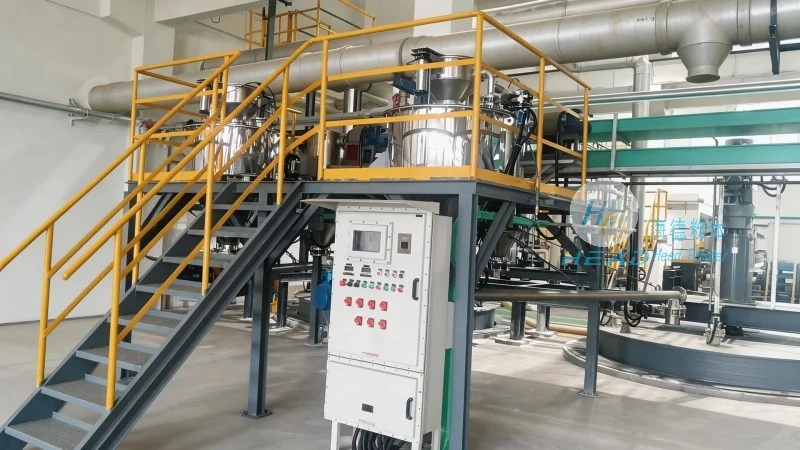
Effective sorghum powder conveying lines consist of several critical components that work in harmony to achieve optimal performance. The primary components include the inlet hopper, which serves as the collection point for the sorghum powder, ensuring a uniform feed to the conveying mechanism. The conveying mechanism itself—whether pneumatic or mechanical—transports the powder through a pipeline or conveyor channel. Airlocks and rotary valves are strategically placed at the discharge end to control the flow rate and prevent backflow, maintaining system integrity. Dust collection systems, often integrated with the conveying line, capture any airborne particles, ensuring compliance with environmental regulations and maintaining a clean working environment. Additionally, control panels and monitoring systems allow operators to adjust parameters such as air pressure, conveyor speed, and material flow, enabling real-time adjustments to meet production demands.
The working characteristics of sorghum powder conveying lines are closely tied to the specific operational environments where they are deployed. In food processing facilities, these systems are designed to meet stringent hygiene standards, with materials like stainless steel and food-grade components used throughout the construction. The conveying process is typically conducted under controlled conditions to prevent contamination and maintain product quality. For example, in a feed mill, sorghum powder is conveyed from storage silos to mixing equipment, where it is blended with other ingredients to produce animal feed. The conveying line's ability to handle large volumes of powder efficiently reduces downtime and increases overall production throughput. In contrast, in a bakery or milling operation, the system may be used to transport sorghum flour from grinding mills to packaging lines, where precision in flow control is essential to ensure consistent product quality. The adaptability of these conveying lines to different production scales and operational requirements makes them versatile tools in various industrial settings.
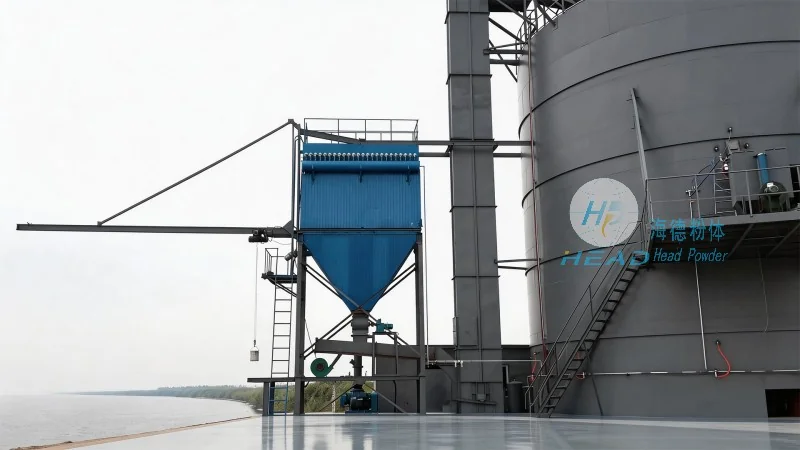
Implementing sorghum powder conveying lines offers several advantages that enhance operational efficiency and product quality. One of the key benefits is the reduction of manual handling, which minimizes the risk of contamination and improves workplace safety. Automated conveying systems also provide consistent material flow, reducing variability in product characteristics and ensuring uniformity across batches. Additionally, the energy efficiency of modern conveying technologies, such as energy-saving pneumatic systems, helps lower operational costs while maintaining high performance. The modular design of these systems allows for easy integration with existing production lines and future expansion, providing long-term value to the end-user. Furthermore, the reliability of well-designed conveying lines minimizes maintenance requirements and downtime, contributing to overall operational stability.

 Shandong Headpowder Engineering Co., Ltd.
 156-6277-7102(Manager Zhang)
  0531-83386006
  Zhangqiu District, Jinan City, Shandong Province, China
telephone
WeChatconsult
top