With more than 10‑year industry experience, Shandong Headpowder delivers full‑service pneumatic‑conveying systems and blowers, undertaking nationwide turn‑key powder‑handling projects.
For industrial applications involving the handling of soybean meal powder, efficient and reliable conveying systems are essential to ensure smooth production processes and maintain product quality. The soybean meal powder conveying line, as a specialized equipment system, plays a crucial role in transporting bulk powder materials within processing facilities. This article delves into the fundamental principles of such systems and explores the key working scene characteristics that define their operational effectiveness.
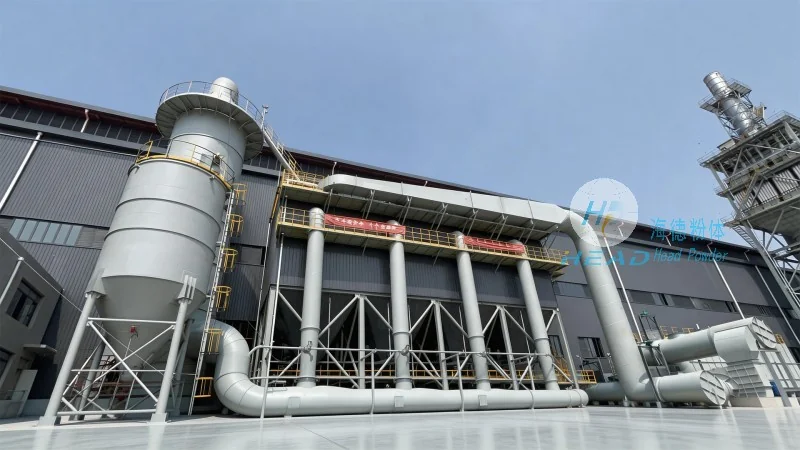
The soybean meal powder conveying line is designed to transport soybean meal, a high-protein feed ingredient, from storage silos or processing units to various destinations within a facility, such as feed mills, storage silos, or packaging areas. These systems are typically composed of several key components, including feeders, conveyors, control systems, and safety devices. The primary goal is to achieve consistent flow rates, minimize material degradation, and ensure safe operation in environments where dust and potential hazards are present.
The core principle of a soybean meal powder conveying line revolves around the use of mechanical or pneumatic methods to move bulk powder. Mechanical conveying systems often employ screw conveyors, belt conveyors, or bucket elevators, which rely on mechanical force to transport material. In contrast, pneumatic conveying systems utilize air pressure or vacuum to create a flow of powder through a pipeline. The choice between these methods depends on factors like material properties, distance to be covered, and the desired level of dust control. For soybean meal, which is relatively fine and can generate dust, pneumatic systems are often preferred due to their ability to handle fine powders with minimal degradation and effective dust containment.
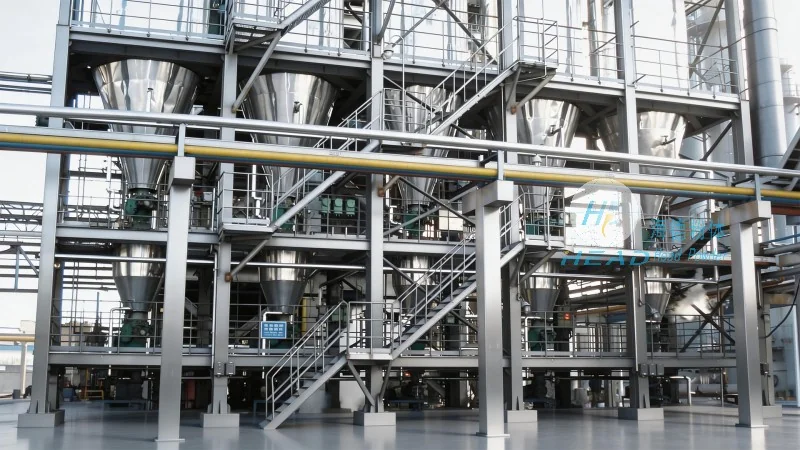
The working scene characteristics of soybean meal powder conveying lines are influenced by several factors, including the nature of the material, environmental conditions, and operational requirements. One key characteristic is the need for dust control, as soybean meal is a fine powder that can easily become airborne, posing health and safety risks. Conveying systems are equipped with dust collection and filtration systems to capture and remove airborne particles, ensuring compliance with environmental regulations and maintaining a safe working environment. Another characteristic is the requirement for consistent flow rates, as fluctuations in material flow can impact downstream processes, such as mixing or packaging. Advanced control systems, including variable speed drives and level sensors, are integrated into the conveying line to maintain stable flow and prevent overloading or underflow.
Several critical components make up a soybean meal powder conveying line, each serving a specific function to ensure efficient operation. The feeder is the first component, responsible for feeding the powder into the conveying system at a controlled rate. Common feeder types include rotary valves, star feeders, and vibratory feeders, which are chosen based on the material's flowability and the required flow rate. The conveyor itself, whether mechanical or pneumatic, is responsible for moving the powder along the designated path. Mechanical conveyors, such as screw or belt conveyors, are suitable for horizontal or slight incline applications, while pneumatic conveyors are ideal for longer distances or vertical transport. The control system monitors and regulates the operation of the conveying line, adjusting parameters like speed and pressure to maintain optimal performance. Safety devices, including emergency shut-off valves and dust detectors, are integrated to prevent accidents and ensure compliance with safety standards.
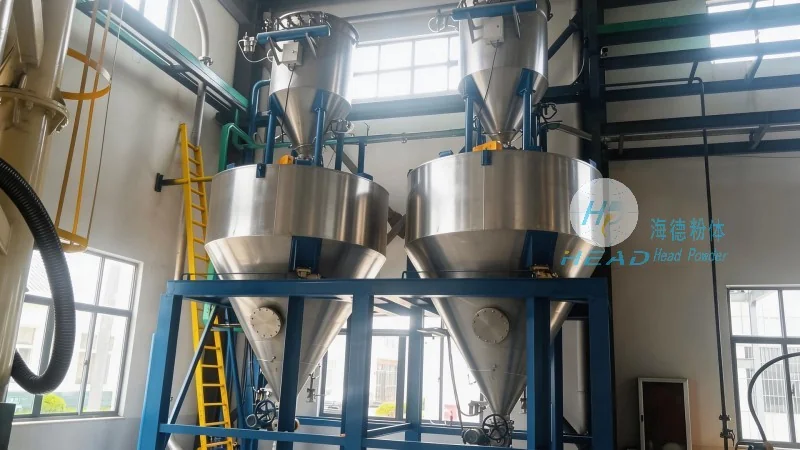
Soybean meal powder conveying lines are widely used in various industrial settings, particularly in the animal feed and food processing industries. In feed mills, these systems are used to transport soybean meal from storage silos to mixing and packaging areas, ensuring a continuous supply of raw material. In food processing facilities, they may be used to transport soybean meal for use in the production of baked goods or other food products. The versatility of these systems allows them to be adapted to different production scales, from small-scale operations to large industrial facilities. Additionally, the ability to integrate with other processing equipment, such as mixers and grinders, makes the conveying line a critical component of the overall production line.
Implementing a soybean meal powder conveying line offers several advantages, including improved efficiency, reduced labor costs, and enhanced product quality. By automating the material handling process, facilities can achieve higher throughput and minimize the risk of material contamination. However, there are also considerations to keep in mind, such as the initial investment cost and the need for regular maintenance. The choice of conveying method and components should be based on the specific requirements of the application, including the material's properties, the distance to be covered, and the desired level of dust control. Proper maintenance, including regular cleaning and inspection of components, is essential to ensure the long-term reliability and performance of the system.

 Shandong Headpowder Engineering Co., Ltd.
 156-6277-7102(Manager Zhang)
  0531-83386006
  Zhangqiu District, Jinan City, Shandong Province, China
telephone
WeChatconsult
top