With more than 10‑year industry experience, Shandong Headpowder delivers full‑service pneumatic‑conveying systems and blowers, undertaking nationwide turn‑key powder‑handling projects.
Understanding the operation process and working principle of gypsum sand powder pneumatic conveying is crucial for industries that rely on efficient material handling solutions. This article provides a detailed overview of how pneumatic conveying systems, specifically designed for gypsum sand powders, function and operate, with a focus on the technical aspects and practical applications.
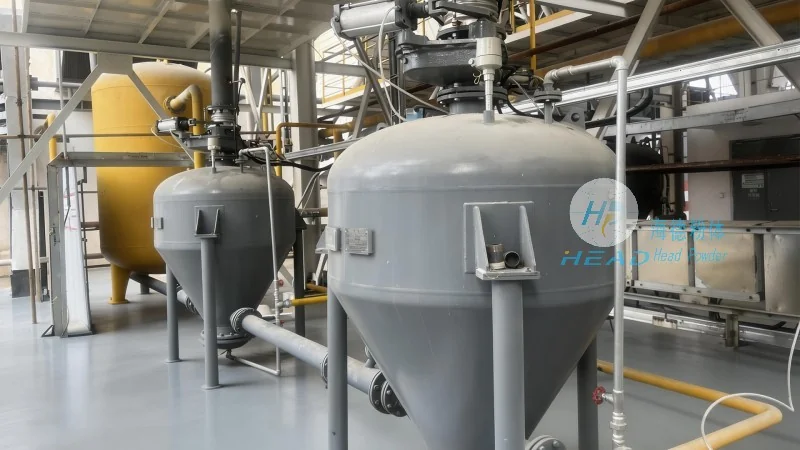
HeadPowder, the professional provider of pneumatic conveying solutions, is dedicated to delivering high-quality equipment and services. Based in Shandong, China, the company specializes in the design, manufacturing, and installation of systems tailored for various powder handling needs. With years of industry experience, HeadPowder ensures that its products meet the stringent requirements of modern material handling operations.
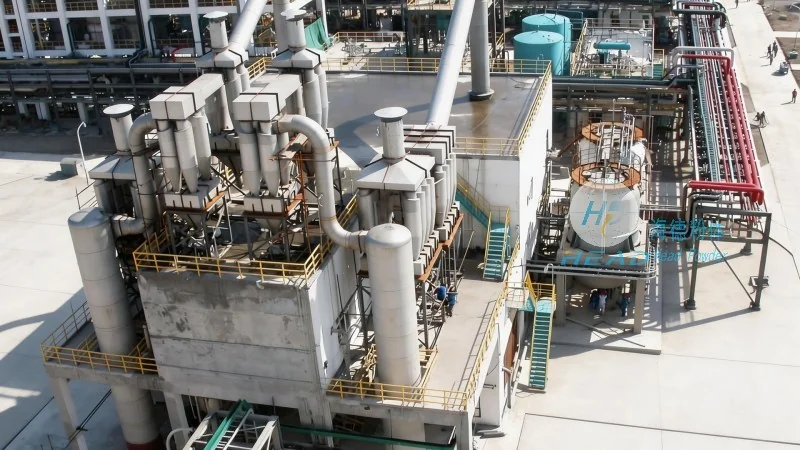
Pneumatic conveying, also known as powder pneumatic transport, utilizes air or gas to move bulk powders like gypsum sand through a pipeline system. The core principle involves creating a pressure differential or using vacuum to transport the material. There are two main types of pneumatic conveying: pressure and vacuum systems. Pressure systems use compressed air to push the powder, while vacuum systems employ a vacuum to draw the material into the pipeline. For gypsum sand, which is a fine powder with specific flow characteristics, the choice of system depends on factors such as the material's density, moisture content, and the required conveying distance.
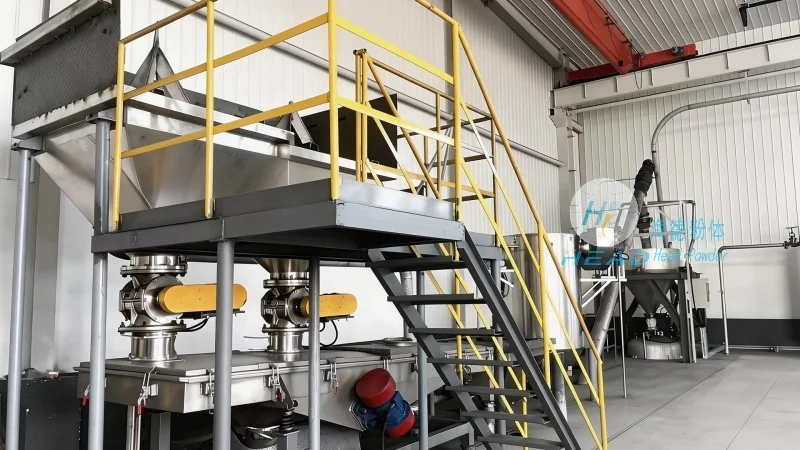
A typical pneumatic conveying system for gypsum sand includes several essential components that work in tandem to ensure efficient operation. These components include the hopper (for material storage and feeding), the conveyor line (the pipeline through which the powder is transported), the air compressor or vacuum pump (to generate the necessary pressure or vacuum), the control valves (to regulate the flow of air and material), and the dust collection system (to ensure environmental compliance and safety).
The operation process of a gypsum sand powder pneumatic conveying system involves several sequential steps. First, the gypsum sand is fed into the hopper from the storage silo. The feeder, often a rotary valve or a screw feeder, controls the flow rate of the material into the conveyor line. Simultaneously, the air compressor or vacuum pump generates the required pressure or vacuum. The air is then introduced into the conveyor line, either by injecting it at the inlet (for pressure systems) or by creating a vacuum at the outlet (for vacuum systems). As the air and powder mixture moves through the pipeline, the powder is suspended and transported to the destination point, such as a storage silo, processing unit, or packaging area. At the receiving end, the material is separated from the air using a cyclone separator or a bag filter, and the air is then released back into the environment after filtration.
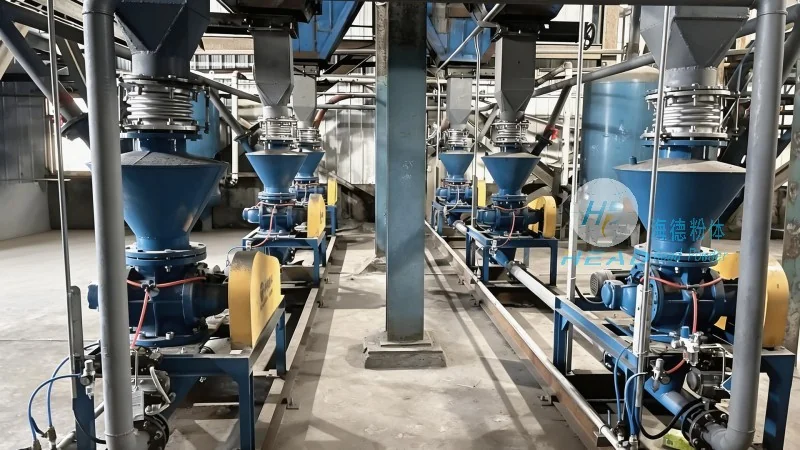
Implementing a pneumatic conveying system for gypsum sand offers several advantages over traditional methods like belt conveyors or bucket elevators. These systems are more flexible in terms of layout, as they can be installed in various configurations to fit the available space. They also provide better dust control, reducing the risk of inhalation and environmental contamination. Additionally, pneumatic conveying systems can handle materials with higher moisture content and are less prone to material degradation compared to mechanical systems. However, it is important to consider factors such as the material's flowability, particle size distribution, and the conveying distance when designing a system. Proper maintenance of the components, especially the air compressor and the dust collection system, is also crucial to ensure long-term operational efficiency and reliability.

 Shandong Headpowder Engineering Co., Ltd.
 156-6277-7102(Manager Zhang)
  0531-83386006
  Zhangqiu District, Jinan City, Shandong Province, China
telephone
WeChatconsult
top