With more than 10‑year industry experience, Shandong Headpowder delivers full‑service pneumatic‑conveying systems and blowers, undertaking nationwide turn‑key powder‑handling projects.
HeadPowder, a leading provider in the field of material handling solutions, specializes in the design, manufacturing, and installation of advanced pneumatic conveying systems tailored for cement powder applications. This article delves into the fundamental principles underlying cement powder pneumatic conveying systems and highlights the key characteristics of their operational environments.
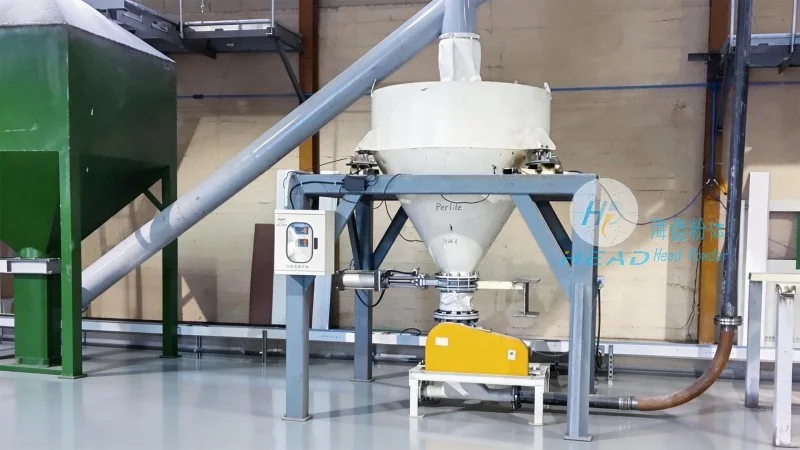
Cement powder pneumatic conveying systems operate on the principle of transporting bulk materials, such as cement, through a pipeline using a stream of air or other gas. The system typically consists of a feeding hopper, a conveyor line, and a discharge point, with the entire process driven by the pressure differential created by the moving air. The air, often referred to as the conveying medium, is introduced into the system at a specific velocity to ensure that the cement particles are entrained and transported efficiently. This method offers a dust-free, continuous, and flexible solution for moving cement from storage silos to production lines or other processing facilities.
Several critical components work in tandem to ensure the effective operation of cement powder pneumatic conveying systems. The feeding hopper is designed to store and feed the cement powder into the conveyor line, maintaining a consistent flow rate. The conveyor line, usually made of stainless steel or other corrosion-resistant materials, is the main pathway for the cement particles. The air compressor or blower generates the necessary air pressure to move the cement through the pipeline. Additionally, filters and cyclones are employed to separate the cement from the air at the discharge point, ensuring that the material is delivered without contamination and that the air is cleaned before being released. These components are carefully selected and configured to meet the specific requirements of the cement powder being handled, including its particle size, moisture content, and flow characteristics.
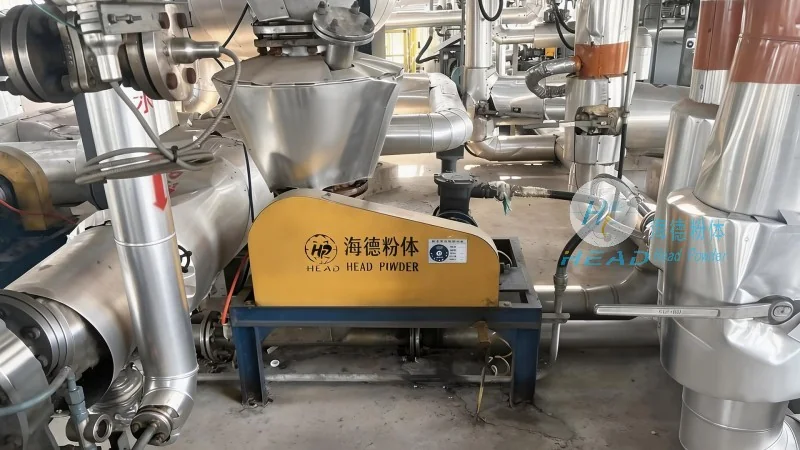
The operational environments for cement powder pneumatic conveying systems vary based on the application and the scale of the facility. In industrial settings, such as cement plants or construction material processing centers, these systems are integrated into larger production workflows, often handling large volumes of cement from storage silos to mixing stations or packaging lines. The working scenes are characterized by high efficiency, as the pneumatic conveying method allows for continuous and automated material transfer, reducing the need for manual handling and minimizing downtime. Additionally, the systems are designed to operate in environments where dust control is paramount, as cement is a fine powder that can cause respiratory issues and environmental contamination if not properly contained. The working scenes also emphasize safety and compliance with industrial standards, with features like explosion-proof designs and emergency shut-off mechanisms to prevent accidents and ensure operational safety.
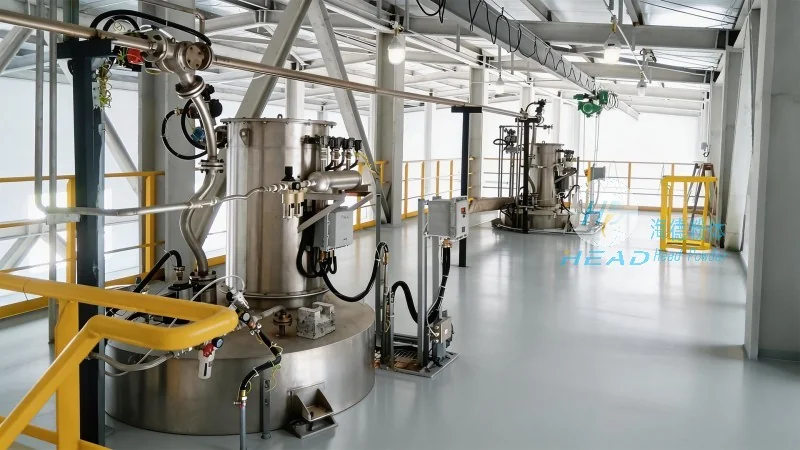
Cement powder pneumatic conveying systems offer numerous advantages over traditional methods like belt conveyors or manual handling. The primary benefits include dust-free operation, which enhances workplace safety and reduces environmental impact. The systems also provide flexibility in terms of layout, as the pipeline can be installed in various configurations to accommodate different facility layouts and production requirements. Furthermore, the continuous operation of pneumatic conveying systems leads to higher throughput and reduced labor costs compared to manual or intermittent transfer methods. These systems are widely used in the cement industry for transporting cement from storage silos to production lines, as well as in other industries that handle fine powders, such as chemical and pharmaceutical manufacturing. The ability to handle large volumes of material efficiently and safely makes cement powder pneumatic conveying systems a preferred choice for industrial applications.
HeadPowder Engineering Co., Ltd., based in Shandong, China, is a reputable manufacturer and supplier of cement powder pneumatic conveying systems. With years of experience in the material handling industry, the company has developed a range of high-quality systems that meet the diverse needs of its clients. The company's commitment to innovation and quality ensures that its products are reliable, efficient, and tailored to the specific requirements of each project. By leveraging advanced technology and adhering to strict quality standards, HeadPowder provides solutions that enhance operational efficiency and safety in cement processing facilities. The company's expertise in pneumatic conveying systems, combined with its understanding of the cement industry's unique challenges, makes it a trusted partner for businesses seeking to optimize their material handling processes.

 Shandong Headpowder Engineering Co., Ltd.
 156-6277-7102(Manager Zhang)
  0531-83386006
  Zhangqiu District, Jinan City, Shandong Province, China
telephone
WeChatconsult
top