

Principle and Working Scene Characteristics of Magnesium Oxide Powder Pneumatic Conveying System
HeadPowder, a leading provider of industrial material handling solutions, specializes in the design and implementation of advanced pneumatic conveying systems for various powder materials. This article explores the fundamental principles of a magnesium oxide powder pneumatic conveying system, along with its key working scene characteristics, to help potential clients understand its functionality and application benefits.
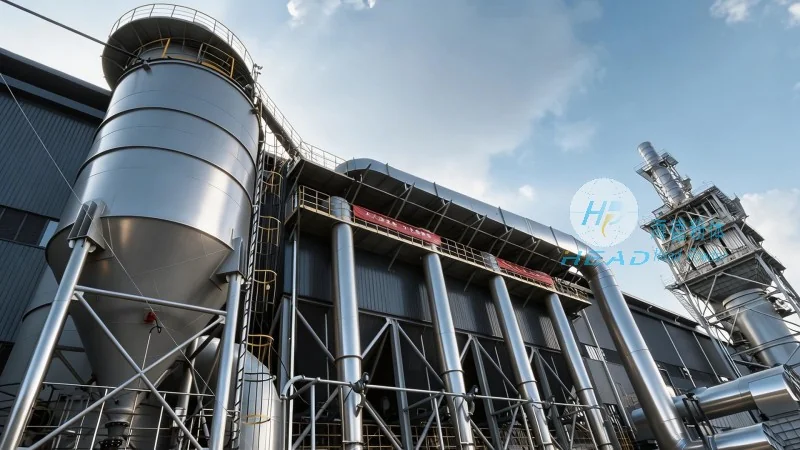
Introduction to Magnesium Oxide Powder Pneumatic Conveying
Magnesium oxide (MgO), also known as magnesia, is a widely used industrial material in sectors such as construction, chemical manufacturing, and pharmaceuticals. The efficient and safe transportation of magnesium oxide powder is crucial for maintaining production efficiency and product quality. Pneumatic conveying systems offer a reliable solution for handling this material, especially when traditional methods like belt conveyors or bucket elevators are unsuitable due to the material's properties or the need for a dust-free environment.
Core Principles of Pneumatic Conveying
The operation of a magnesium oxide powder pneumatic conveying system is based on the fundamental principle of using air or gas to transport solid particles. The system typically consists of a hopper for material storage, a conveying line (often a pipeline), and a receiver for the discharged material. The process involves creating a pressure differential between the inlet and outlet of the conveying line, which propels the magnesium oxide powder through the system. There are two main types of pneumatic conveying systems: pressure and vacuum. Pressure systems use compressed air to push the material, while vacuum systems use a vacuum to pull the material. For magnesium oxide powder, which is often handled in bulk quantities and requires consistent flow, a pressure system is commonly preferred due to its ability to handle higher material loads and maintain a stable flow rate.
Key Working Scene Characteristics
The working scene characteristics of a magnesium oxide powder pneumatic conveying system are tailored to the specific requirements of the application. These characteristics include:
1. Material Handling Capacity: The system is designed to handle varying quantities of magnesium oxide powder, from small batches to large-scale industrial production. The conveying capacity can be adjusted based on the system's design, including the size of the conveying line, the air pressure, and the material's bulk density. This flexibility ensures that the system can meet the needs of different production scales.
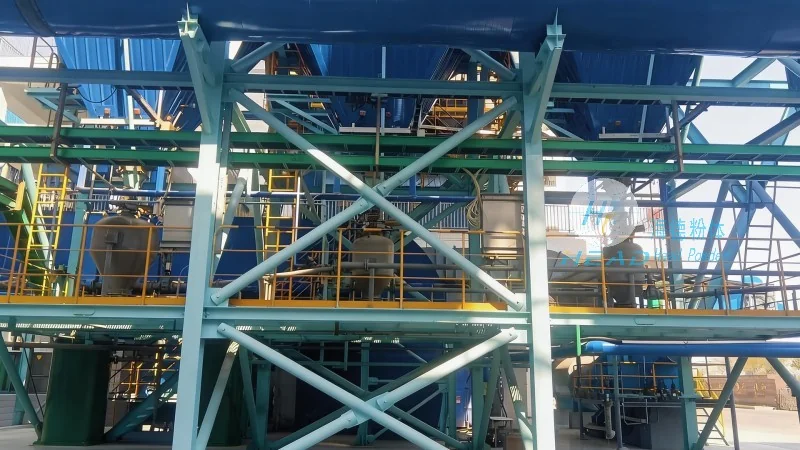
2. Dust Control and Environmental Protection: Magnesium oxide powder is a fine particulate material that can generate dust during handling. A well-designed pneumatic conveying system incorporates dust collection and filtration systems to minimize airborne particles. This not only improves workplace safety by reducing respiratory hazards but also helps in maintaining compliance with environmental regulations. The system's design may include features such as cyclone separators and bag filters to capture and contain the dust, ensuring a clean and safe working environment.
3. System Reliability and Maintenance: The pneumatic conveying system for magnesium oxide powder is engineered for durability and low maintenance. Components such as the hopper, conveying line, and air compressor are constructed from materials resistant to corrosion and wear, which are common issues when handling abrasive or corrosive materials like magnesium oxide. Regular maintenance, including cleaning of the conveying line and replacement of filters, is essential to ensure the system's long-term performance and prevent downtime. The system's reliability is further enhanced by the use of advanced control systems that monitor pressure, flow, and other parameters, alerting operators to any anomalies and facilitating timely interventions.
4. Integration with Existing Production Lines: The magnesium oxide powder pneumatic conveying system can be seamlessly integrated into existing production lines or new facilities. This integration allows for a smooth transition from traditional handling methods to a more efficient and automated system. The system's modular design enables easy installation and customization to fit the specific layout and operational requirements of the facility. For example, the conveying line can be routed around existing equipment or structures, and the hopper and receiver can be positioned to optimize material flow and minimize the need for manual handling.
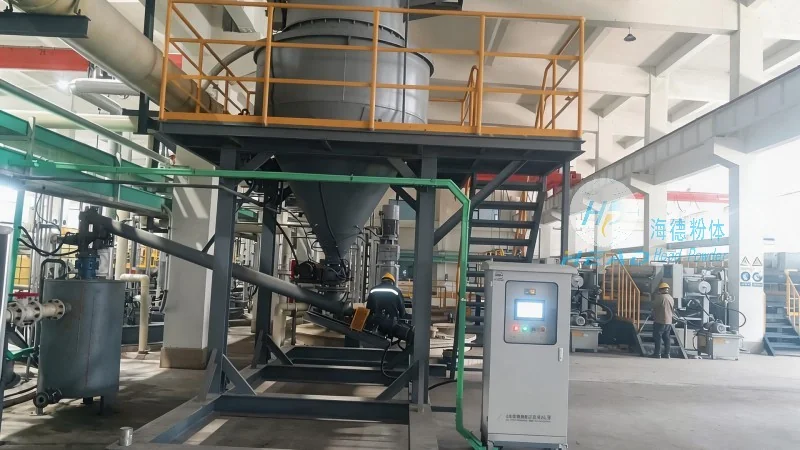
Application Scenarios
The magnesium oxide powder pneumatic conveying system is suitable for a wide range of applications where the material needs to be transported from one location to another within a facility or between different facilities. Some common application scenarios include:
1. Raw Material Supply: In manufacturing plants, magnesium oxide powder is often supplied from storage silos or bulk containers and needs to be conveyed to the production line. The pneumatic conveying system provides a continuous and reliable supply of raw material, ensuring that the production process runs smoothly without interruptions.
2. In-Process Handling: During the production process, magnesium oxide powder may need to be transferred between different processing stages, such as from a mixing unit to a drying unit or from a grinding unit to a packaging unit. The system allows for efficient and dust-free transfer of the material, maintaining the quality and consistency of the product.
3. Product Packaging: After the magnesium oxide powder has been processed, it needs to be packaged for distribution. The pneumatic conveying system can transport the material directly to the packaging line, where it is filled into bags or containers. This eliminates the need for manual handling and reduces the risk of product contamination.