With more than 10‑year industry experience, Shandong Headpowder delivers full‑service pneumatic‑conveying systems and blowers, undertaking nationwide turn‑key powder‑handling projects.
Monocrystalline silicon pneumatic conveying systems are engineered to transport solid silicon materials through a pipeline using compressed air or gas as the conveying medium. The core principle involves creating a pressure differential within the system, which propels the silicon particles forward. This process begins with a hopper that stores the silicon material, followed by a feeder that regulates the flow rate. The feeder then introduces the material into a conveying line, where compressed air from a blower or compressor provides the necessary force to move the particles. The air and material mixture travels through the pipeline to a receiver, where the material is separated from the air and collected. The system is designed to maintain a controlled environment, ensuring that the silicon particles remain intact and free from contamination, which is critical for applications in semiconductor manufacturing.
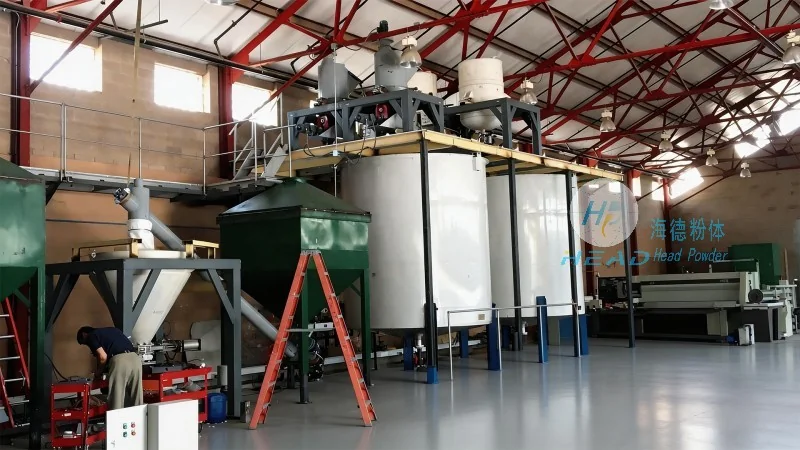
The working scene characteristics of monocrystalline silicon pneumatic conveying systems are tailored to the stringent requirements of high-tech manufacturing environments, particularly in the semiconductor industry. These systems are typically deployed in cleanroom settings, where air filtration and particle control are paramount to prevent contamination of sensitive silicon materials. The systems are integrated into production lines that handle monocrystalline silicon in various forms, such as powders or granules, and are designed to handle both horizontal and vertical transport routes, adapting to the spatial layout of manufacturing facilities. In industrial applications, the systems facilitate the efficient transfer of raw silicon from storage to processing equipment, reducing manual handling and associated risks. The reliability of these systems is enhanced by their low maintenance design, with components that are easy to inspect and replace, ensuring continuous operation in demanding production processes.
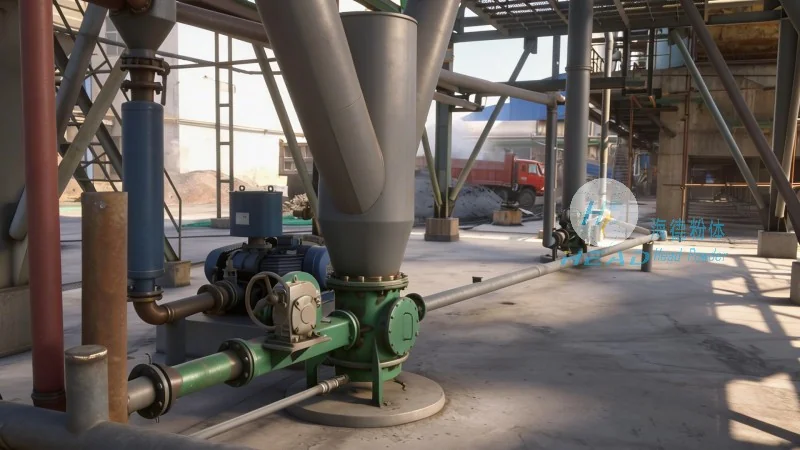
Within the semiconductor manufacturing sector, monocrystalline silicon pneumatic conveying systems are integral to the supply chain of silicon wafers. The systems transport raw silicon materials, including silicon ingots and powders, to the production lines where they are further processed into wafers. The precision and cleanliness of these conveying systems are essential to maintain the purity of the silicon, as even minor contaminants can affect the performance of the final semiconductor products. The systems are often integrated with automated material handling processes, ensuring a seamless flow of materials from receipt to processing. This integration enhances productivity and reduces downtime, which are critical factors in high-volume semiconductor production. Additionally, the systems are designed to handle varying particle sizes and densities, making them versatile for different stages of silicon processing.
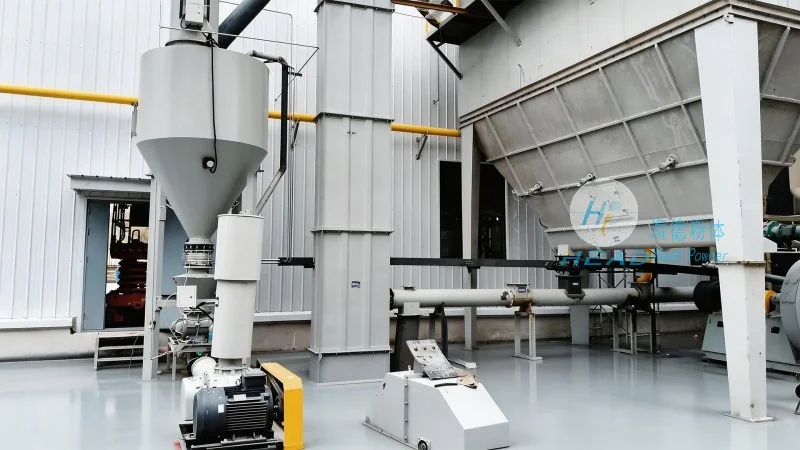
Compared to traditional mechanical conveying methods, monocrystalline silicon pneumatic conveying systems offer several key advantages. The primary benefit is the ability to maintain a sterile and dust-free environment, which is crucial for sensitive materials like monocrystalline silicon. The systems also provide flexibility in layout, allowing for complex transport routes that adapt to the spatial constraints of manufacturing facilities. Furthermore, pneumatic conveying can handle a wide range of particle sizes and densities, making it suitable for various forms of silicon materials. The systems are engineered for low maintenance, with components that are easy to inspect and replace, reducing operational costs over time. The reliability of these systems ensures consistent performance, which is vital for maintaining production schedules in the semiconductor industry. Additionally, the systems can handle both bulk and small-batch material transfers, providing adaptability to different production needs.

 Shandong Headpowder Engineering Co., Ltd.
 156-6277-7102(Manager Zhang)
  0531-83386006
  Zhangqiu District, Jinan City, Shandong Province, China
telephone
WeChatconsult
top