With more than 10‑year industry experience, Shandong Headpowder delivers full‑service pneumatic‑conveying systems and blowers, undertaking nationwide turn‑key powder‑handling projects.
HeadPowder, a leading engineering firm based in Shandong, China, specializes in the design and implementation of advanced material handling solutions, including pneumatic conveying systems tailored for the sweet potato starch industry. This article explores the fundamental principles behind these systems and highlights the key operational characteristics that define their effectiveness in processing environments.
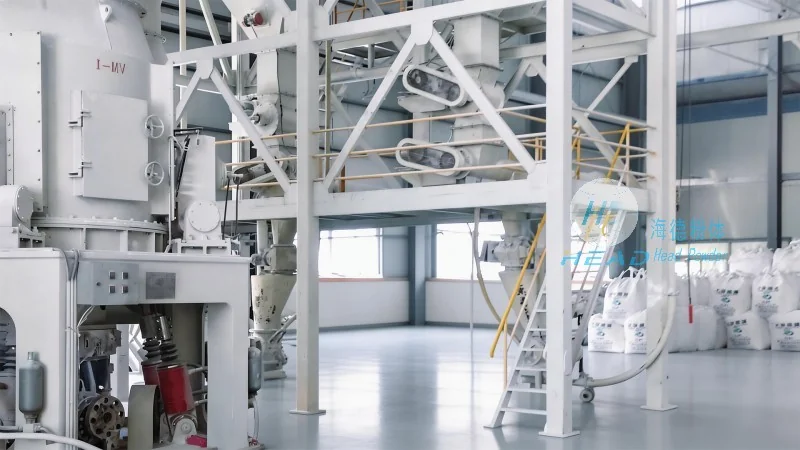
Pneumatic conveying systems utilize air or gas to transport bulk materials, such as sweet potato starch, through a network of pipes. The process typically operates under either positive pressure (where air is forced into the system) or negative pressure (where air is drawn out, creating a vacuum). For sweet potato starch, which is a fine, powdery product, positive pressure systems are often preferred due to their ability to maintain consistent flow rates and minimize material degradation. The system comprises several critical components: a material feed hopper, a conveyor line with multiple inlets and outlets, a rotary airlock valve to control material discharge, and a dust collector or cyclone separator to capture fine particles and ensure environmental compliance.
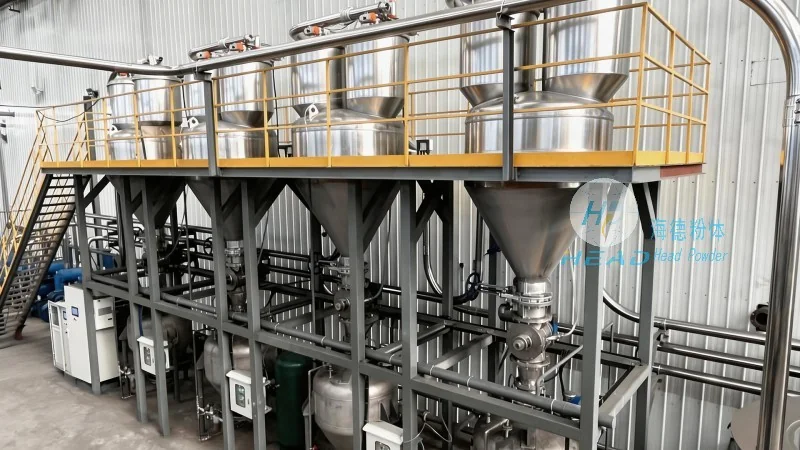
The operational characteristics of a pneumatic conveying system for sweet potato starch are shaped by the unique properties of the material and the demands of the production line. Sweet potato starch is hygroscopic, meaning it absorbs moisture from the air, which can affect its flowability and processing efficiency. Therefore, the system must be designed to maintain low humidity levels and prevent caking or blockages. Additionally, the system's capacity and flow rate are optimized to match the throughput of the starch production process, ensuring that the conveyor can handle varying volumes without causing bottlenecks. The use of stainless steel or corrosion-resistant materials in the construction of the conveying lines is essential to prevent contamination and extend the system's lifespan, as sweet potato starch is sensitive to chemical residues.
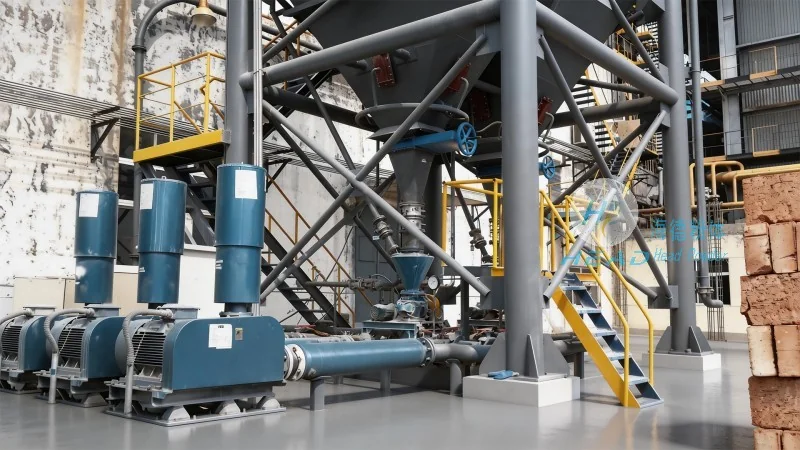
Implementing a pneumatic conveying system for sweet potato starch offers several advantages that enhance operational efficiency and product quality. One of the primary benefits is the ability to transport the material in a closed system, which reduces dust exposure and improves workplace safety. This is particularly important in food processing environments where hygiene standards are stringent. The system also enables seamless integration with other processing equipment, such as grinding mills, sieving machines, and packaging units, creating a continuous production line that minimizes manual handling and labor costs. Furthermore, the flexibility of pneumatic conveying allows for easy reconfiguration of the system to accommodate changes in production volume or product specifications, providing a scalable solution for growing businesses.
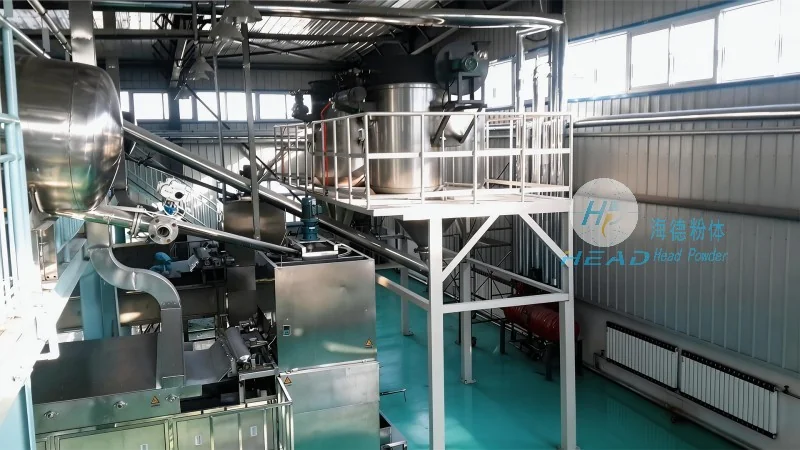
For companies in the sweet potato starch industry, selecting the right pneumatic conveying system is crucial to achieving high productivity and maintaining product integrity. Shandong HeadPowder Engineering Co., Ltd., with its expertise in material handling and engineering, provides customized solutions that address the specific challenges of processing sweet potato starch. By leveraging advanced technology and adhering to industry best practices, these systems ensure reliable, efficient, and safe material transport, supporting the long-term success of starch production operations. The operational characteristics and principles outlined here demonstrate the importance of a well-designed pneumatic conveying system in optimizing the entire production process.

 Shandong Headpowder Engineering Co., Ltd.
 156-6277-7102(Manager Zhang)
  0531-83386006
  Zhangqiu District, Jinan City, Shandong Province, China
telephone
WeChatconsult
top