With more than 10‑year industry experience, Shandong Headpowder delivers full‑service pneumatic‑conveying systems and blowers, undertaking nationwide turn‑key powder‑handling projects.
Polycarbonate pneumatic conveying systems represent a sophisticated solution for the efficient transport of bulk materials, particularly in industries where material handling demands precision, safety, and durability. As a leading provider in this field, Shandong HeadPowder Engineering Co., Ltd. specializes in designing and manufacturing systems that leverage the unique properties of polycarbonate to optimize material transfer processes. This article explores the fundamental principles behind these systems and highlights the key working scenario characteristics that make them indispensable in modern industrial applications.
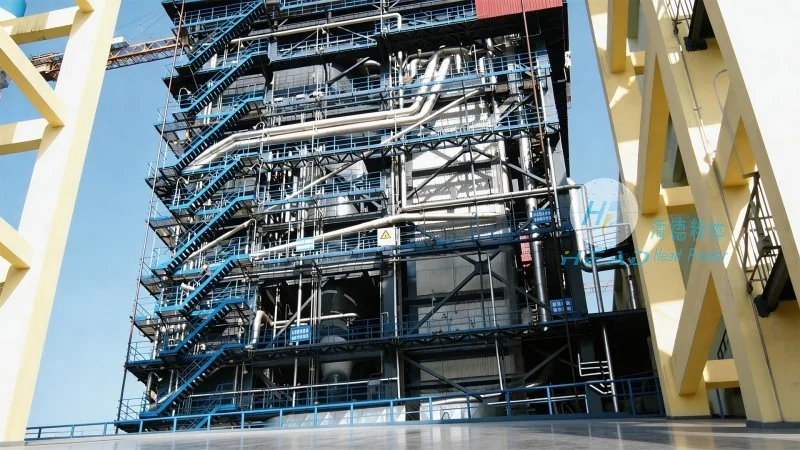
The fundamental principle of a pneumatic conveying system is the use of pressurized or suction air to move bulk materials through a pipeline. In the case of polycarbonate systems, the choice of polycarbonate as the primary material for components such as pipes, fittings, and valves is driven by its exceptional combination of mechanical strength, chemical resistance, and optical clarity. Polycarbonate is known for its high impact resistance, which ensures that the system can withstand the rigors of continuous operation without degradation. Additionally, its resistance to a wide range of chemicals makes it suitable for handling materials that are corrosive or reactive, a critical factor in industries like pharmaceuticals and food processing. The transparency of polycarbonate also allows for visual monitoring of the material flow, enabling operators to detect blockages or irregularities in real-time. This combination of properties ensures that the system operates reliably and efficiently, minimizing downtime and maintenance costs.
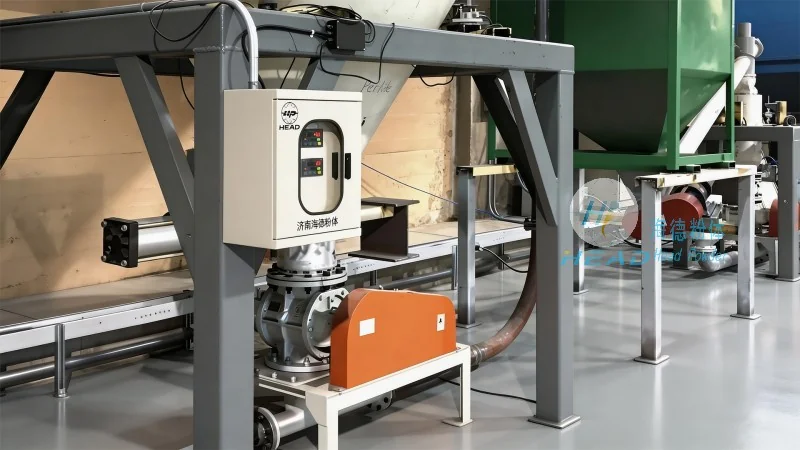
The effectiveness of polycarbonate pneumatic conveying systems is largely determined by their adaptability to diverse working scenarios. These systems are particularly well-suited for applications where materials need to be transported over medium to long distances, often in a closed-loop system to maintain product integrity and prevent contamination. One of the primary advantages is their ability to handle a wide variety of materials, including fine powders, granules, and even bulk solids, without the need for excessive mechanical wear or maintenance. This versatility makes them ideal for industries such as food and beverage, where product purity is paramount, and for chemical processing, where material compatibility with equipment is critical. Another key characteristic is the system's ability to operate under varying pressure conditions, from low-pressure suction systems to high-pressure blow systems, depending on the specific requirements of the application. This flexibility allows for customization to meet the unique needs of each client, ensuring optimal performance and material handling efficiency.
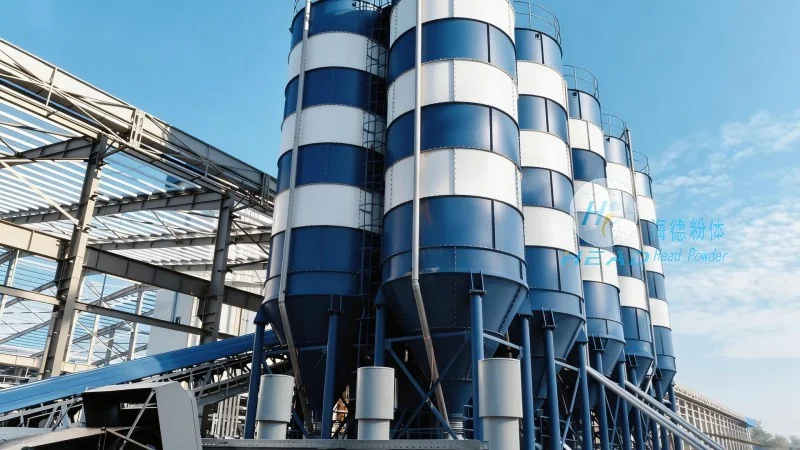
Polycarbonate pneumatic conveying systems are widely utilized in various industrial settings, each presenting distinct challenges and requirements. For instance, in the food processing industry, these systems are commonly employed to transport ingredients like sugar, flour, and spices from storage silos to production lines. The use of polycarbonate ensures that the materials remain free from contamination, as the material is not in direct contact with metal components that could introduce impurities. Similarly, in the pharmaceutical sector, polycarbonate systems are preferred for handling active pharmaceutical ingredients (APIs) and excipients, as they provide a sterile and non-reactive environment. The systems' ability to maintain a closed system and prevent cross-contamination is crucial in these applications, where product quality and regulatory compliance are non-negotiable. In chemical manufacturing, polycarbonate systems are used to transport corrosive chemicals and reactive powders, leveraging the material's chemical resistance to prevent system degradation and ensure long-term operational reliability. These real-world scenarios demonstrate the robustness and adaptability of polycarbonate pneumatic conveying systems, making them a preferred choice for industries that demand high standards of performance and safety.
When integrating a polycarbonate pneumatic conveying system into an existing facility, several advantages and considerations must be taken into account. The primary benefit is the system's low maintenance requirements, as polycarbonate components are less prone to wear and tear compared to traditional metal or plastic alternatives. This reduces operational costs and downtime, making it a cost-effective solution for long-term material handling needs. Additionally, the lightweight nature of polycarbonate allows for easier installation and modification of the system, as it can be mounted on walls or ceilings without requiring heavy structural support. However, it is important to consider the system's pressure limitations, as polycarbonate has a maximum operating pressure that must be adhered to for safety and performance. Proper sizing of the system components, including the air compressor and pipeline diameter, is also critical to ensure efficient material transport and prevent pressure losses. By carefully evaluating these factors, industries can maximize the benefits of polycarbonate pneumatic conveying systems while minimizing potential risks.
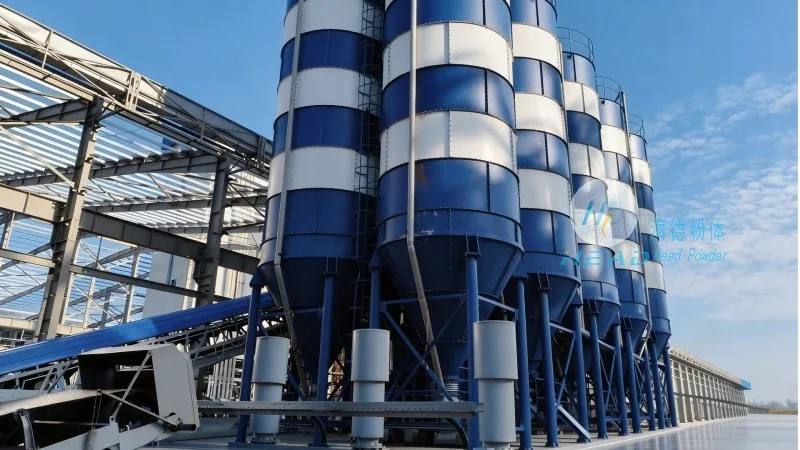
In conclusion, polycarbonate pneumatic conveying systems represent a highly effective solution for the efficient and safe transport of bulk materials across various industrial applications. The combination of polycarbonate's unique properties, such as its impact resistance, chemical resistance, and transparency, with the fundamental principles of pneumatic conveying ensures that these systems operate reliably and efficiently. The working scenario characteristics of these systems, including their adaptability to diverse materials and operating conditions, make them indispensable in industries where product quality, safety, and operational efficiency are paramount. As a leading manufacturer, Shandong HeadPowder Engineering Co., Ltd. continues to innovate in this field, providing customized solutions that meet the specific needs of clients while adhering to the highest standards of performance and durability. The continued use and development of polycarbonate pneumatic conveying systems will undoubtedly play a crucial role in the future of material handling, enabling industries to achieve greater efficiency and productivity in their operations.

 Shandong Headpowder Engineering Co., Ltd.
 156-6277-7102(Manager Zhang)
  0531-83386006
  Zhangqiu District, Jinan City, Shandong Province, China
telephone
WeChatconsult
top