

What Are the Working Principles and Features of Sodium Fluosilicate Powder Pneumatic Conveying Lines
For industrial applications involving the handling of sodium fluosilicate, a specialized system known as a powder pneumatic conveying line is often employed. This technology is crucial for efficiently transporting the fine powder material over distances, ensuring consistent flow and minimal degradation. The following sections will explore the working principles and key features of such systems, providing insights into their design and operational advantages.
Understanding the Working Principles of Sodium Fluosilicate Powder Pneumatic Conveying Lines
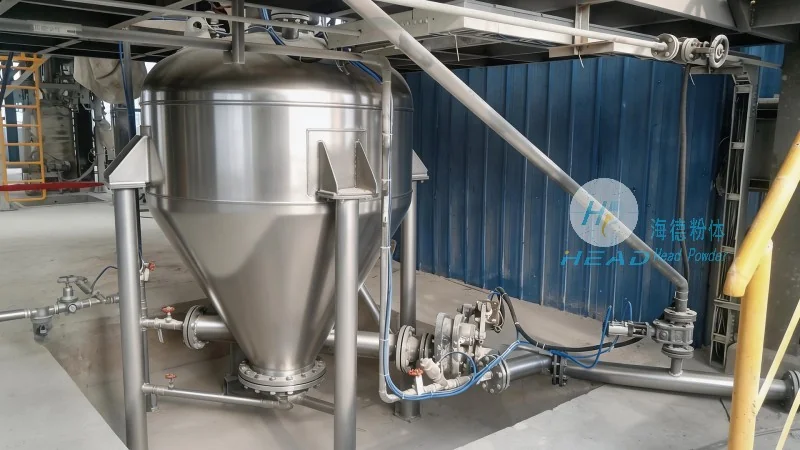
The core of a pneumatic conveying system lies in its ability to use air or gas to transport particulate materials. In the case of sodium fluosilicate, which is a white crystalline powder commonly used in water treatment and other industrial processes, the system operates by creating a pressure differential that propels the powder through a pipeline. The process typically involves several key components and steps:
First, the sodium fluosilicate powder is fed into a hopper or feeder, where it is metered and introduced into the conveying line. From there, a fan or blower generates a flow of air that moves the powder particles along the pipeline. The velocity of the air is critical; it must be sufficient to overcome the gravitational force and frictional resistance of the powder, ensuring that the material remains suspended and transported smoothly. The conveying line may include various sections such as vertical or horizontal runs, bends, and expansion or contraction zones, each designed to maintain the flow characteristics of the powder-air mixture.
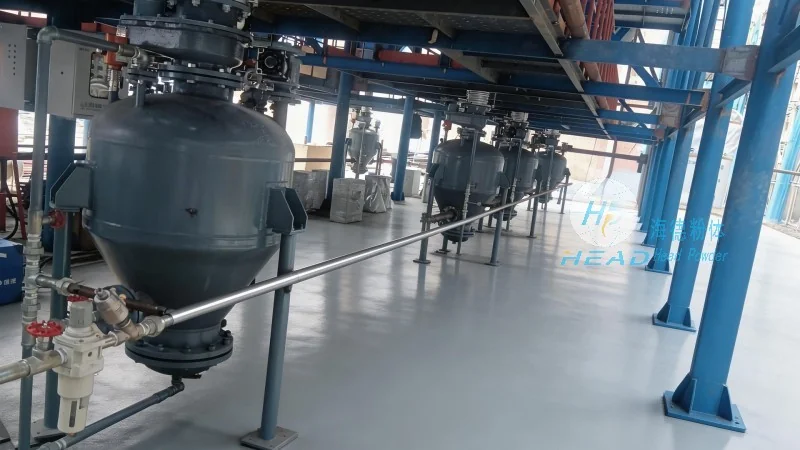
One of the primary working principles is the use of either positive or negative pressure systems. Positive pressure systems push the air and powder mixture through the line, while negative pressure systems draw the mixture from the discharge end. For sodium fluosilicate, which is a relatively light and fine powder, positive pressure systems are often preferred as they provide better control over the flow and reduce the risk of material degradation due to friction or impact. The system also incorporates a filter or separator at the end to separate the powder from the air, ensuring that the material is collected in a clean and dry state.
Key Features of Sodium Fluosilicate Powder Pneumatic Conveying Lines
When evaluating the features of a sodium fluosilicate powder pneumatic conveying line, several factors stand out as critical for performance and reliability. These features are designed to address the unique properties of the powder, such as its fineness, hygroscopic nature, and potential for caking or agglomeration.
Firstly, the system is engineered for high efficiency in material transport. By using air as the conveying medium, the process minimizes the need for mechanical components like conveyors or elevators, reducing maintenance requirements and operational costs. The pneumatic system also allows for flexible routing, enabling the powder to be transported over long distances or through complex layouts without the need for multiple transfer points.

Secondly, the design incorporates features to prevent material degradation. The use of smooth, corrosion-resistant pipelines and low-friction components reduces the risk of abrasion or impact damage to the sodium fluosilicate particles. Additionally, the system may include temperature control mechanisms to prevent moisture absorption or caking, which can affect the material's performance in downstream applications.
Thirdly, the conveying line is equipped with monitoring and control systems to ensure consistent operation. Sensors are used to measure flow rates, pressure, and air velocity, providing real-time data that allows operators to adjust the system parameters as needed. This helps maintain the quality of the transported powder and prevents issues such as blockages or uneven distribution.
Operational Advantages and Applications
The implementation of a sodium fluosilicate powder pneumatic conveying line offers several operational advantages that make it a preferred choice for industrial applications. These advantages include improved safety, as the system eliminates the need for manual handling of the powder, reducing exposure to dust and potential health hazards. Additionally, the system enhances product quality by minimizing contamination and degradation, which is crucial for applications where the purity of sodium fluosilicate is critical, such as in water treatment or chemical manufacturing.
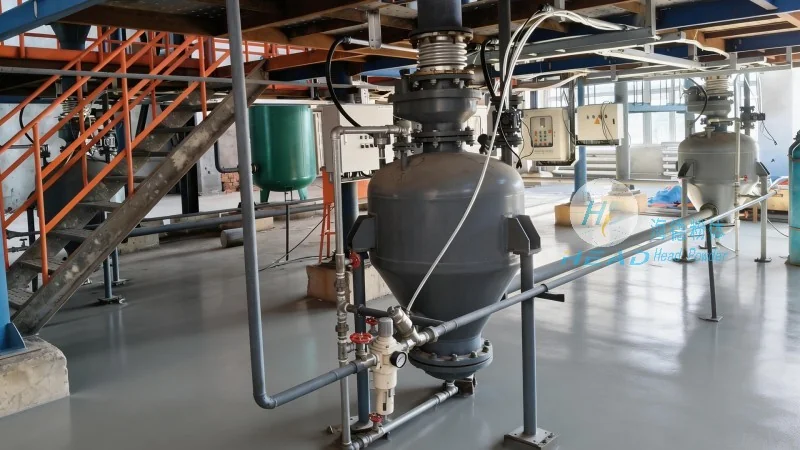
Furthermore, the flexibility of the pneumatic system allows for easy integration with other industrial processes. It can be connected to storage silos, processing equipment, or packaging lines, enabling a seamless flow of material from production to end-use. This integration reduces downtime and improves overall productivity in the facility.
Conclusion
In summary, sodium fluosilicate powder pneumatic conveying lines are advanced systems designed to efficiently and safely transport fine powder materials. Their working principles, based on air pressure and flow dynamics, combined with key features such as efficient material handling, degradation prevention, and real-time monitoring, make them a reliable solution for industrial applications. By understanding these principles and features, industries can optimize their material handling processes and ensure consistent performance of sodium fluosilicate in various applications.