With more than 10‑year industry experience, Shandong Headpowder delivers full‑service pneumatic‑conveying systems and blowers, undertaking nationwide turn‑key powder‑handling projects.
When it comes to handling glass particles in industrial settings, selecting the right conveying method is crucial for efficiency, safety, and cost-effectiveness. Glass particles, due to their size, shape, and potential for dust generation, require specialized equipment and systems to ensure smooth and reliable transport. This article explores common glass particle conveying methods, with a focus on the advantages and applications of pneumatic conveying systems, as offered by Shandong HeadPowder Engineering Co., Ltd., a leading provider in the field.
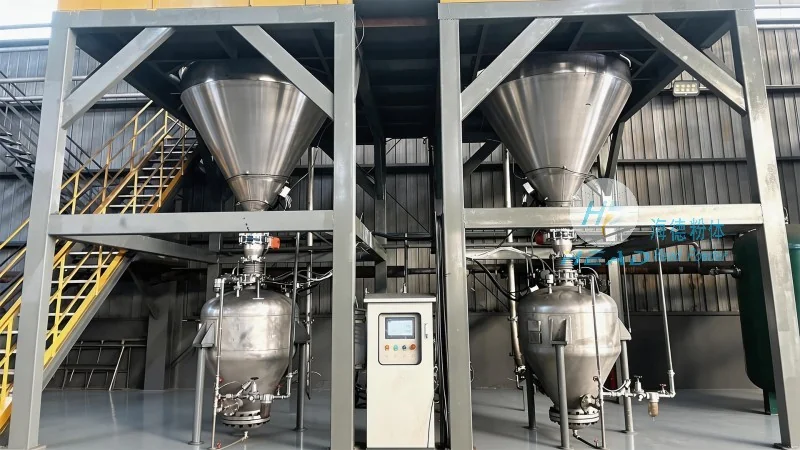
Glass particle conveying involves the movement of small, often abrasive particles from one location to another within a manufacturing or processing facility. Traditional methods such as gravity feed or mechanical screw conveyors may struggle with the unique properties of glass, including their tendency to stick together or create dust that can affect equipment performance. Pneumatic conveying, on the other hand, uses air pressure to transport particles through a pipeline, offering a more flexible and efficient solution. This method is particularly well-suited for glass particles due to its ability to handle fine powders and prevent product contamination.
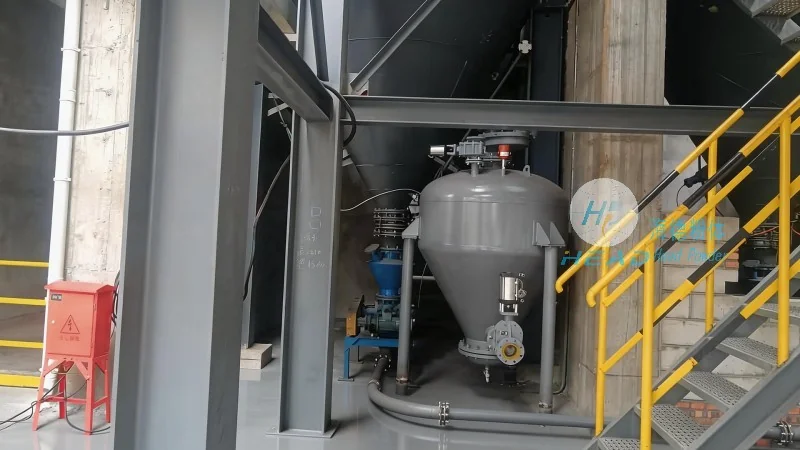
HeadPowder, as a specialist in material handling solutions, emphasizes the benefits of pneumatic conveying for glass particles. Key advantages include reduced labor costs, minimized product degradation, and improved safety by eliminating manual handling of potentially hazardous materials. The system operates by creating a pressure differential that propels the glass particles through a sealed pipeline, ensuring that dust is contained and that the material remains in its original state. This is especially important in industries where glass is used for optical components, architectural glass, or specialty glass products, where purity and consistency are paramount.
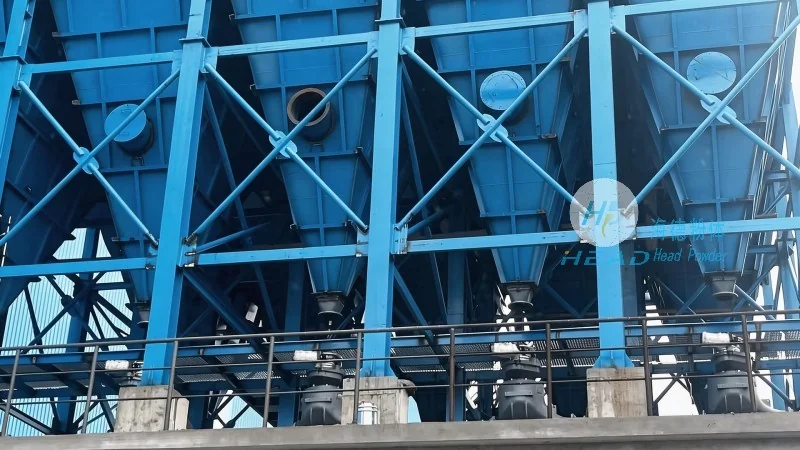
Shandong HeadPowder Engineering Co., Ltd., based in Shandong, China, has established itself as a trusted provider of customized glass particle conveying systems. The company's expertise lies in designing and manufacturing pneumatic conveying equipment that is specifically tailored to the demands of glass processing. Their solutions often incorporate advanced features such as positive pressure or negative pressure systems, depending on the application requirements. For example, positive pressure systems are ideal for long-distance transport or when dealing with abrasive glass particles, while negative pressure systems are suitable for short-distance conveying or when maintaining a clean environment is critical.
When choosing a conveying system for glass particles, several factors must be considered to ensure optimal performance. These include the particle size and density, the distance to be covered, the required flow rate, and the need for dust control. HeadPowder's team of engineers works closely with clients to assess these factors and recommend the most suitable system. They also provide comprehensive support, including installation, maintenance, and technical training, to ensure that the conveying system operates at peak efficiency throughout its lifespan.
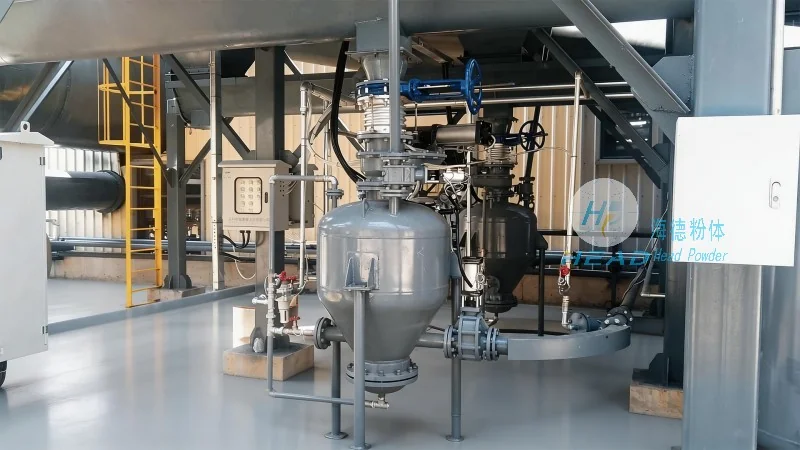
In conclusion, pneumatic conveying represents a superior method for transporting glass particles compared to traditional mechanical systems. By leveraging the expertise of companies like Shandong HeadPowder Engineering Co., Ltd., industries can achieve improved productivity, reduced downtime, and enhanced product quality. The company's commitment to innovation and customer satisfaction has made it a go-to partner for glass particle conveying solutions, helping businesses in various sectors, from glass manufacturing to optical production, to streamline their operations and meet the highest standards of performance.

 Shandong Headpowder Engineering Co., Ltd.
 156-6277-7102(Manager Zhang)
  0531-83386006
  Zhangqiu District, Jinan City, Shandong Province, China
telephone
WeChatconsult
top