With more than 10‑year industry experience, Shandong Headpowder delivers full‑service pneumatic‑conveying systems and blowers, undertaking nationwide turn‑key powder‑handling projects.
When it comes to handling and transporting PVC pellets, selecting the right conveying method is crucial for efficiency, cost-effectiveness, and product integrity. The choice of conveying system can significantly impact production processes, especially in industries where PVC pellets are used as raw materials. This article explores common PVC pellet conveying methods, with a focus on pneumatic conveying, and provides insights into the practical applications and considerations for each approach.
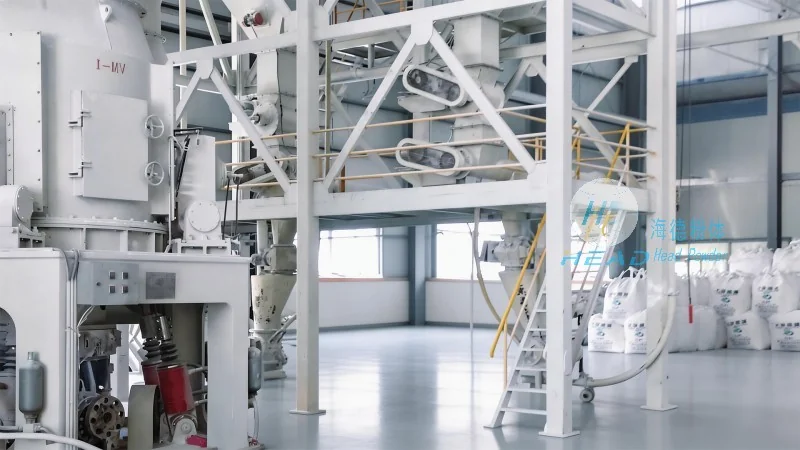
Pneumatic conveying is a widely used method for transporting PVC pellets due to its ability to handle fine powders and granules with minimal product degradation. This technology uses air or other gases to move materials through a pipeline system. There are two main types of pneumatic conveying: pressure and vacuum systems. Pressure systems push the material forward using compressed air, while vacuum systems draw the material through the pipeline using a vacuum. For PVC pellets, pressure systems are often preferred as they can handle higher material loads and are more suitable for long-distance transport. The process involves feeding the PVC pellets into a hopper, which then transfers the material into the conveying line. The air is then introduced, creating a flow that moves the pellets to the destination. This method is particularly effective for applications where the pellets need to be transported over distances of several hundred meters or more.
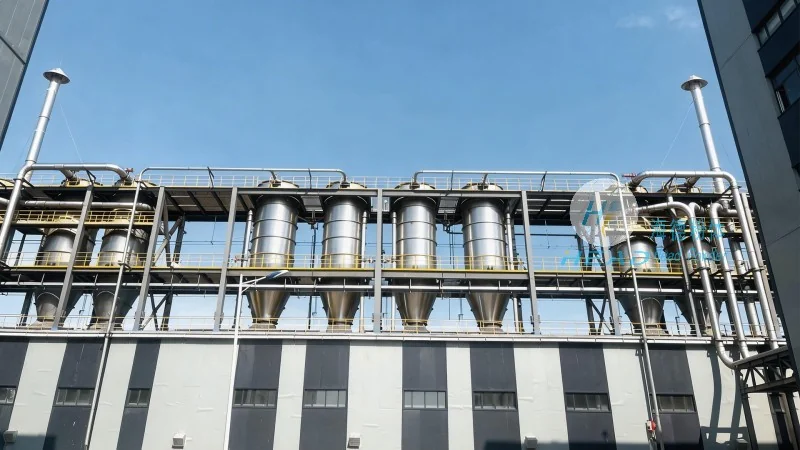
There are several advantages to using pneumatic conveying for PVC pellets. One of the key benefits is the ability to transport materials without the need for mechanical components like belts or chains, which can reduce maintenance costs and increase the lifespan of the system. Additionally, pneumatic conveying can handle materials that are sensitive to contamination or moisture, as the system is enclosed and sealed. This helps maintain the quality of the PVC pellets during transport. Another advantage is the flexibility of the system, as it can be easily modified to accommodate changes in production volume or layout. The system can also be integrated with other processing equipment, such as mixers or extruders, to create a seamless production line. Furthermore, pneumatic conveying can reduce labor costs by automating the material handling process, allowing workers to focus on other tasks. The technology is also energy-efficient compared to other conveying methods, as it uses less power to move the material over long distances.
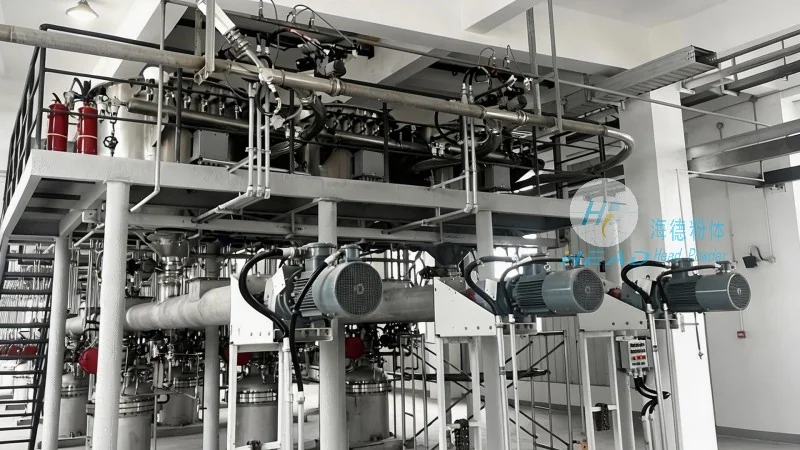
While pneumatic conveying offers many benefits, there are several factors to consider when implementing such a system for PVC pellets. One of the primary considerations is the material's properties, such as its density, moisture content, and flowability. These factors can affect the system's performance and efficiency. For example, if the PVC pellets are too dry or have a high moisture content, they may clump together, leading to blockages in the pipeline. In such cases, the system may need to be equipped with a dehumidifier or a dryer to ensure proper flow. Another consideration is the distance and layout of the transport route. The system's design must take into account the length of the pipeline, the number of turns, and the elevation changes to ensure that the material can be transported effectively. The system's capacity is also an important factor, as it needs to match the production rate of the PVC pellets. If the system is too small, it may cause bottlenecks and reduce production efficiency. Additionally, the system's maintenance requirements should be considered, as regular cleaning and inspection are necessary to prevent clogs and ensure smooth operation.
While pneumatic conveying is a popular choice, there are other conveying methods that can be used for PVC pellets. One such method is mechanical conveying, which uses equipment like belts, screws, or buckets to move the material. Mechanical conveying is often used for short-distance transport or when the material is too heavy for pneumatic systems. However, it may not be suitable for fine PVC pellets, as the mechanical components can cause wear and tear on the material. Another method is gravity conveying, which uses the natural slope of the material to move it from one location to another. This method is simple and inexpensive but is limited by the distance and elevation changes. It is often used in conjunction with other conveying systems to transport materials over short distances. Finally, vacuum conveying is another option, which uses a vacuum to draw the material into the pipeline. This method is similar to pneumatic conveying but uses a vacuum instead of compressed air. It is often used for materials that are too light or too fine for pressure systems.
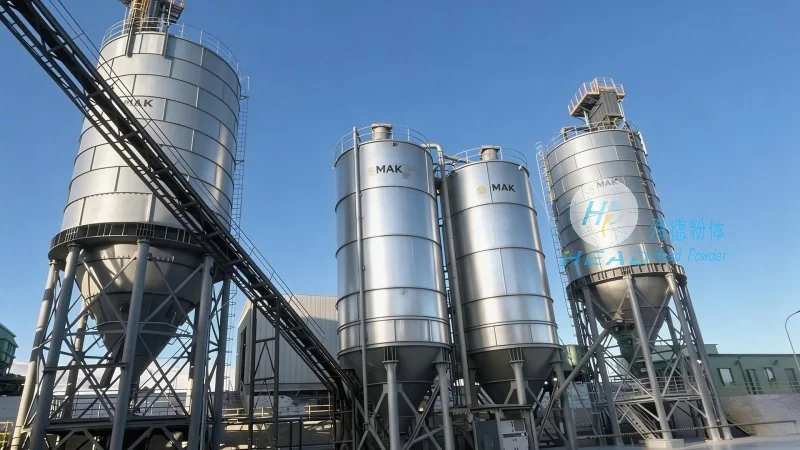
In conclusion, selecting the right conveying method for PVC pellets is essential for efficient and cost-effective production. Pneumatic conveying is a popular choice due to its ability to handle fine materials and transport them over long distances. However, other methods like mechanical and gravity conveying may be more suitable for specific applications. The choice of system depends on several factors, including the material's properties, the distance and layout of the transport route, and the production rate. By considering these factors and working with a reputable supplier like Shandong HeadPowder Engineering Co., Ltd., manufacturers can select the most appropriate conveying system for their PVC pellet handling needs. With the right system in place, PVC pellet production can be optimized, leading to increased efficiency and profitability.

 Shandong Headpowder Engineering Co., Ltd.
 156-6277-7102(Manager Zhang)
  0531-83386006
  Zhangqiu District, Jinan City, Shandong Province, China
telephone
WeChatconsult
top