With more than 10‑year industry experience, Shandong Headpowder delivers full‑service pneumatic‑conveying systems and blowers, undertaking nationwide turn‑key powder‑handling projects.
When it comes to handling gypsum in industrial applications, selecting the right conveying method is crucial for efficiency, safety, and operational reliability. Gypsum, a widely used mineral in construction and manufacturing, presents unique challenges due to its dry, powdery nature and potential for dust generation. Traditional methods like belt conveyors or screw conveyors may struggle with material flow, especially when dealing with fine particles or high volumes. This article explores common gypsum handling techniques, with a focus on the advanced pneumatic conveying systems offered by Shandong HeadPowder Engineering Co., Ltd., commonly known as headpowder.
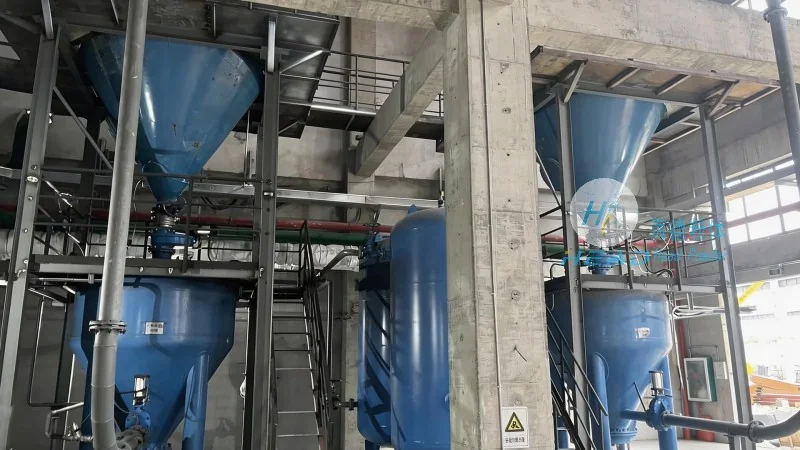
Gypsum, also known as calcium sulfate dihydrate, is a versatile material used in plaster, drywall, and agricultural applications. Its properties, such as low moisture content and tendency to break into fine particles, make it susceptible to clogging or dust accumulation during transport. Efficient conveying systems are essential to maintain product quality, minimize downtime, and ensure compliance with environmental regulations. The choice of conveying method depends on factors like material characteristics, distance, and required throughput, with each option having its own set of advantages and limitations.
Several conventional methods are used for gypsum transport, including belt conveyors, screw conveyors, and bucket elevators. Belt conveyors are suitable for bulk material movement over short to medium distances, but they may not handle fine powders effectively and can generate dust. Screw conveyors, or augers, are ideal for vertical or inclined transport but can cause material degradation and blockages with high moisture content. Bucket elevators are effective for vertical lifting but require regular maintenance and can be noisy. While these methods serve many industrial needs, they often fall short in terms of flexibility, cleanliness, and energy efficiency compared to modern pneumatic conveying solutions.
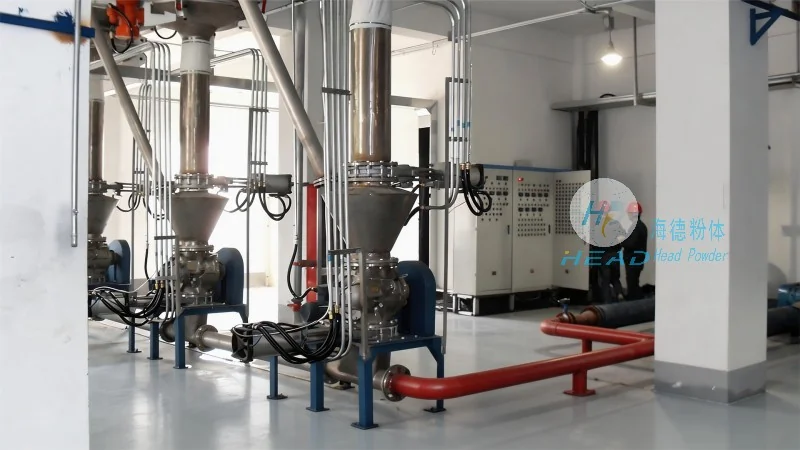
Pneumatic conveying, or air-based transport, offers a superior alternative for gypsum handling by utilizing compressed air to move material through a sealed pipeline system. This method eliminates the need for mechanical components that come into direct contact with the material, reducing wear and tear and minimizing the risk of contamination. The primary advantages of gypsum pneumatic conveying include:
Technical aspects of gypsum pneumatic conveying include the choice between positive pressure (air pushes material) and negative pressure (air pulls material) systems. Positive pressure systems are commonly used for long-distance or high-volume transport, as they provide consistent material flow and can handle abrasive materials. Negative pressure systems are ideal for short distances or when dust control is paramount, as they draw material into the system without releasing air at the discharge point. The design of the pipeline, including pipe diameter, bends, and valves, is critical to ensure smooth material transport and prevent blockages. Proper filtration and air filtration systems are also essential to maintain system efficiency and prolong equipment life.
Shandong HeadPowder Engineering Co., Ltd., operating under the brand name headpowder, is a leading provider of customized gypsum pneumatic conveying systems. With headquarters in Shandong, China, the company specializes in designing, manufacturing, and installing advanced material handling solutions tailored to the unique needs of gypsum processing plants. headpowder's expertise lies in understanding the challenges of gypsum handling and developing innovative solutions that enhance operational efficiency and product quality.
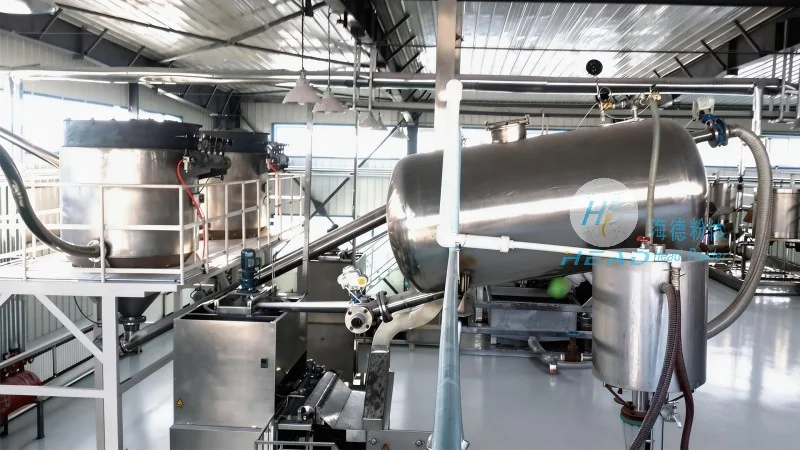
The company's team of engineers and technicians works closely with clients to assess their specific requirements, including material characteristics, production capacity, and site constraints. This collaborative approach ensures that the final system is optimized for performance, reliability, and cost-effectiveness. headpowder offers a range of services, from initial system design and engineering to on-site installation, commissioning, and long-term maintenance. By leveraging their extensive experience in pneumatic conveying technology, headpowder helps clients achieve seamless material transport, reduce downtime, and improve overall productivity.
For businesses looking to upgrade their gypsum handling operations, headpowder provides comprehensive solutions that combine cutting-edge technology with practical application. Whether upgrading an existing system or building a new facility, headpowder's commitment to quality and customer satisfaction ensures that clients receive a reliable and efficient conveying system that meets their operational goals. With a focus on innovation and customer-centric service, headpowder continues to be a trusted partner in the gypsum industry, helping companies achieve their production objectives while maintaining high standards of safety and environmental responsibility.

 Shandong Headpowder Engineering Co., Ltd.
 156-6277-7102(Manager Zhang)
  0531-83386006
  Zhangqiu District, Jinan City, Shandong Province, China
telephone
WeChatconsult
top