With more than 10‑year industry experience, Shandong Headpowder delivers full‑service pneumatic‑conveying systems and blowers, undertaking nationwide turn‑key powder‑handling projects.
Fine powder handling is a critical process in various industries, including chemical, pharmaceutical, food, and manufacturing. Efficient and reliable conveying methods are essential to ensure product quality, minimize contamination, and maintain operational efficiency. Among the various techniques available, pneumatic conveying stands out as a versatile solution for transporting fine powders over short to medium distances. This article explores common fine powder conveying methods, with a focus on the principles and applications of fine powder pneumatic conveying.
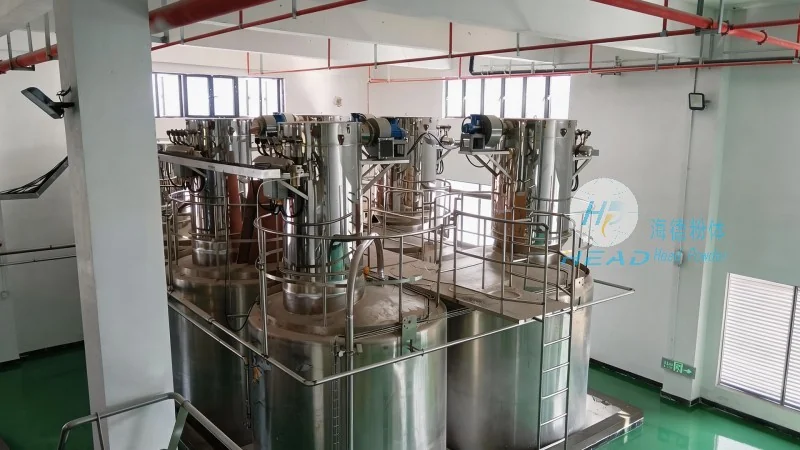
Shandong HeadPowder Engineering Co., Ltd., a leading provider in the field of powder handling solutions, specializes in designing and manufacturing advanced conveying systems tailored to the unique needs of fine powder applications. With a strong commitment to innovation and quality, the company has established itself as a trusted partner for industries requiring precise and efficient material transport. HeadPowder's expertise lies in developing customized pneumatic conveying systems that optimize performance, reduce downtime, and enhance overall operational productivity. The company's headquarters is located in Shandong, China, where it leverages local resources and industry knowledge to deliver cutting-edge solutions.
There are several common methods used for fine powder conveying, each with its own advantages and applications. The primary categories include pneumatic conveying, mechanical conveying, and hybrid systems. Pneumatic conveying, as the name suggests, uses pressurized air or vacuum to move powders through a pipeline. This method is particularly suitable for fine powders due to its ability to handle delicate materials without causing degradation or agglomeration. Mechanical conveying, such as screw conveyors or belt conveyors, relies on mechanical components to transport powders, often requiring more maintenance and being less suitable for highly abrasive or fine powders. Hybrid systems combine elements of both pneumatic and mechanical conveying to leverage the benefits of each approach.
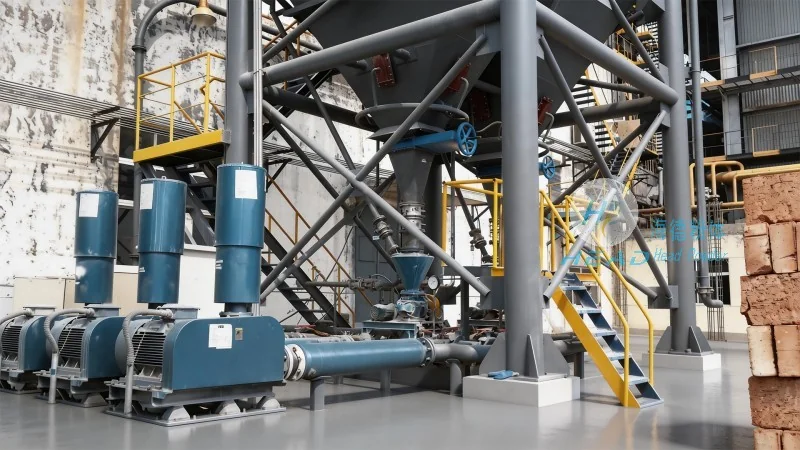
Positive pressure pneumatic conveying is a widely used method for fine powder transport. In this system, air is supplied under pressure to the conveying line, creating a positive pressure environment that forces the powder to move through the pipeline. The system typically includes a blower or compressor, a hopper for material storage, and a discharge point at the destination. This method is ideal for applications where the material needs to be conveyed from a central source to multiple destinations, as it allows for branching and distribution of the powder. Positive pressure systems are also effective for handling powders with low flowability or those that are prone to caking, as the pressurized air helps maintain particle separation and prevents blockages. The key components of a positive pressure system include the air supply unit, the material feed hopper, the conveying line, and the receiver at the end point. Proper design of these components is crucial to ensure efficient operation and minimize energy consumption.
Negative pressure pneumatic conveying, also known as vacuum conveying, operates by creating a vacuum in the conveying line, which draws the powder from the source to the receiver. This method is commonly used for conveying powders from a single source to a single destination, such as from a silo or hopper to a processing unit. Negative pressure systems are particularly effective for handling fine powders that are sensitive to pressure or those that need to be transported over longer distances without degradation. The system typically includes a vacuum pump, a hopper, and a receiver. The vacuum pump creates the necessary suction, while the hopper provides a controlled feed of the powder. The conveying line is designed to minimize pressure loss and ensure consistent flow. Negative pressure systems are often preferred for applications where the material is to be collected from a remote location or where the process requires a clean and dust-free environment.
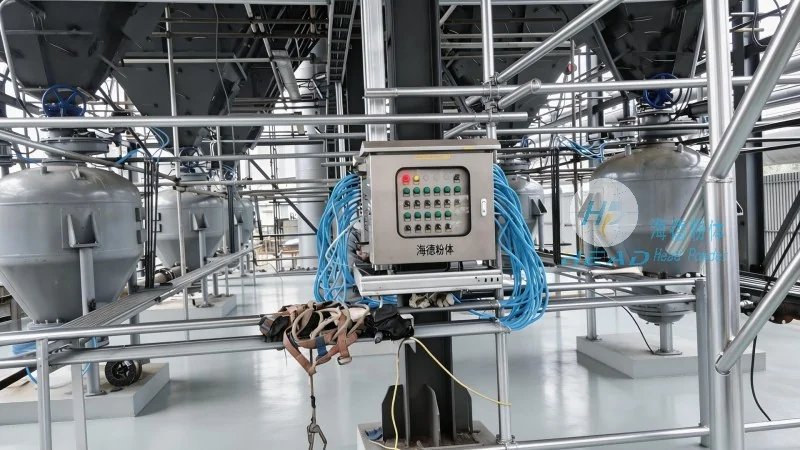
Mixed-pressure or combined pneumatic conveying systems use both positive and negative pressure to achieve efficient material transport. These systems are particularly useful for complex conveying tasks that involve multiple sources and destinations, or for applications where the powder needs to be transported over varying distances with different flow rates. The system operates by using a positive pressure section to move the powder from the source to a central point, and then a negative pressure section to distribute it to the final destinations. This approach allows for greater flexibility and control over the conveying process, making it suitable for large-scale industrial operations. Mixed-pressure systems are often more energy-efficient than using either positive or negative pressure alone, as they can optimize the pressure levels based on the specific requirements of the application.
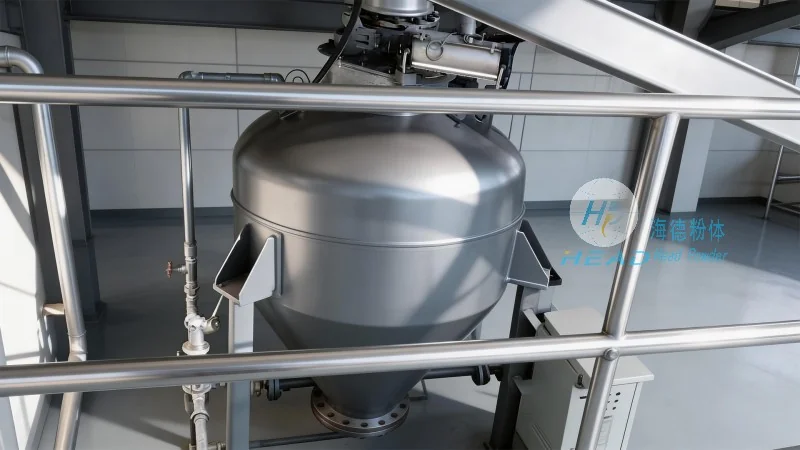
While pneumatic conveying is the most common method for fine powders, mechanical conveying methods are also used in certain applications. Screw conveyors, for example, use a rotating screw to move powders through a tube, and are suitable for short to medium distances and moderate flow rates. Belt conveyors use a moving belt to transport powders, which is effective for handling bulk materials but may not be ideal for very fine powders due to the risk of clogging or material degradation. Mechanical systems are generally more cost-effective for low-volume or low-speed applications, but they require more maintenance and are less flexible than pneumatic systems. They are also less suitable for handling highly abrasive or sensitive powders, as the mechanical components can cause wear and tear or introduce contaminants.
The selection of the appropriate fine powder conveying method depends on several factors, including the properties of the powder, the distance to be covered, the required flow rate, and the operational environment. For example, if the powder is highly sensitive to pressure or temperature, negative pressure pneumatic conveying may be the best choice. If the material needs to be transported to multiple destinations from a central source, a positive pressure system with branching capabilities is ideal. The choice also considers the cost of equipment, energy consumption, and maintenance requirements. It is often recommended to consult with a specialist, such as Shandong HeadPowder Engineering Co., Ltd., to evaluate the specific needs of the application and select the most suitable conveying system. Proper system design and installation are critical to ensure long-term performance and reliability.

 Shandong Headpowder Engineering Co., Ltd.
 156-6277-7102(Manager Zhang)
  0531-83386006
  Zhangqiu District, Jinan City, Shandong Province, China
telephone
WeChatconsult
top