With more than 10‑year industry experience, Shandong Headpowder delivers full‑service pneumatic‑conveying systems and blowers, undertaking nationwide turn‑key powder‑handling projects.
Mica powder, a widely used industrial material, often requires efficient and reliable handling systems for its transport and processing. The working principle and features of mica powder material handling systems are crucial for optimizing production efficiency and ensuring product quality. This article will explore the fundamental aspects of how mica powder is handled, the key features that define effective material handling solutions, and the technical considerations that contribute to successful implementation.
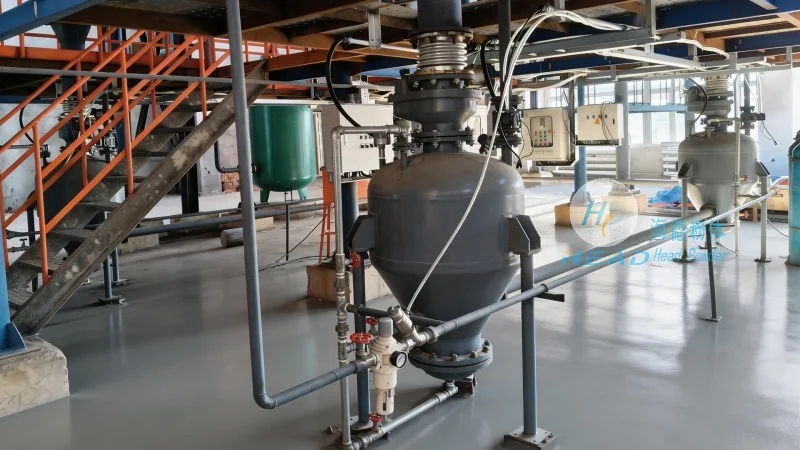
The working principle of mica powder material handling typically involves several stages, starting with the collection and preparation of the powder. Mica powder is often produced through grinding and processing, and it needs to be transported from production areas to storage or processing units. The primary methods for material handling include pneumatic conveying, mechanical conveying, and gravity-based systems. Pneumatic conveying uses air pressure to move the powder through pipes, while mechanical conveying employs equipment like conveyors and elevators. Gravity systems rely on the natural slope of the material to move it downward. Each method has its own advantages and is chosen based on factors such as the powder's properties, the distance to be covered, and the required throughput. For instance, pneumatic systems are ideal for fine powders that are prone to clogging in mechanical systems, as they can maintain consistent flow without blockages. Mechanical systems, on the other hand, are more suitable for bulk materials and can handle larger volumes with lower energy consumption. Gravity systems are typically used for short distances and when the material's density allows for natural flow.
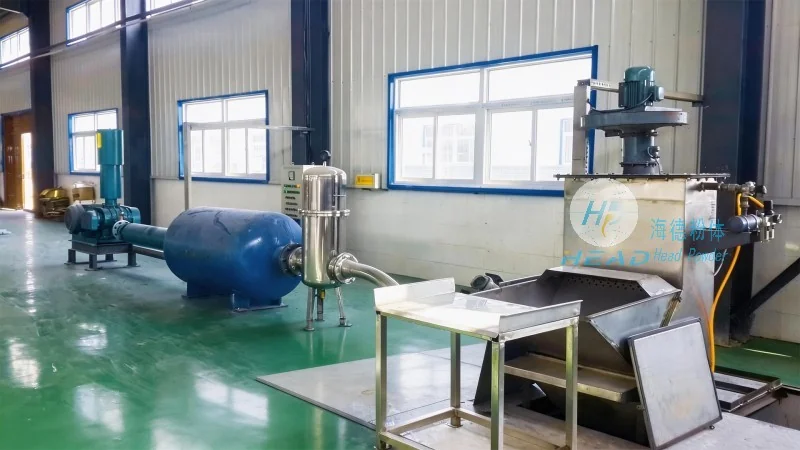
Effective mica powder material handling systems possess several key features that enhance performance and reliability. One of the most important features is the ability to handle fine powders without clogging or blockages. Mica powder is often very fine and can be prone to sticking to surfaces or forming agglomerates, which can disrupt the flow. Advanced systems incorporate features like vibration, air knives, and special hopper designs to prevent clogging and maintain consistent flow. For example, vibration feeders can be used to break up agglomerates and ensure a steady supply of powder to the conveying system. Air knives, which use high-velocity air streams, can clear blockages in the pipes and maintain the flow. Special hopper designs, such as conical hoppers with a smooth interior surface, reduce the risk of powder sticking and improve flow characteristics. Another critical feature is the control of dust and particle dispersion. Mica powder is a dry material that can generate significant dust, posing health and safety risks. High-quality handling systems include dust collection and filtration systems to ensure a clean working environment. These systems typically use cyclone separators and bag filters to capture and remove dust particles from the air, preventing them from being released into the workplace. Additionally, the systems must be designed for easy maintenance and cleaning to prevent contamination and ensure long-term operation. This includes features like removable components and easy access to cleaning points. The use of corrosion-resistant materials is also a common feature, as mica powder can sometimes be acidic or contain other substances that could damage equipment. Stainless steel and special coatings are often used to protect the equipment from corrosion and ensure durability.
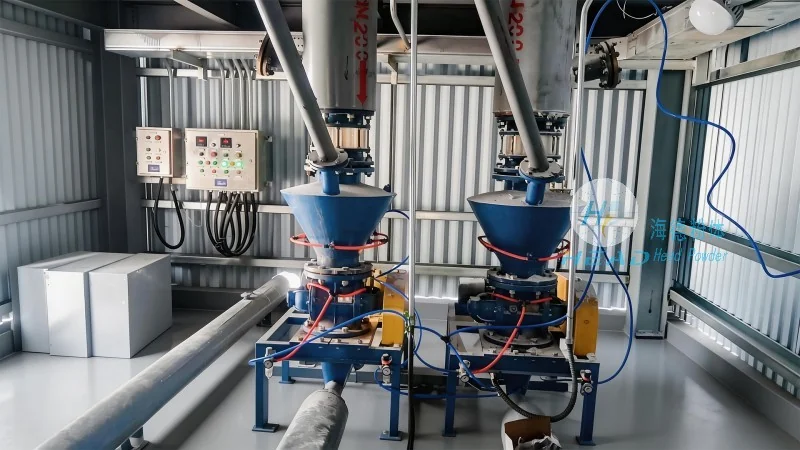
When designing and implementing mica powder material handling systems, several technical considerations must be taken into account. The first is the powder's physical properties, such as particle size distribution, moisture content, and bulk density. These properties affect the flow characteristics and the choice of conveying method. For example, very fine mica powder with a high surface area may require pneumatic conveying to avoid blockages in mechanical systems, as the fine particles can easily clog the conveyor belts or rollers. The second consideration is the system's capacity and throughput requirements. The handling system must be able to meet the production demands without bottlenecks. This involves calculating the required flow rate and selecting equipment with sufficient capacity. For instance, if the production line requires 10 tons of mica powder per hour, the conveying system must be capable of handling at least that volume. The third consideration is the environmental and safety aspects. Dust control is paramount, as mica powder can cause respiratory issues if inhaled. The system must comply with local regulations regarding dust emission and worker safety. This may involve installing dust collection systems that meet specific standards and providing personal protective equipment (PPE) to workers. Finally, the system's integration with other production processes is important. The material handling system should be compatible with existing equipment and processes to ensure smooth operation and minimal disruption. This includes coordinating with other departments, such as production and quality control, to ensure that the handling system aligns with overall production goals.
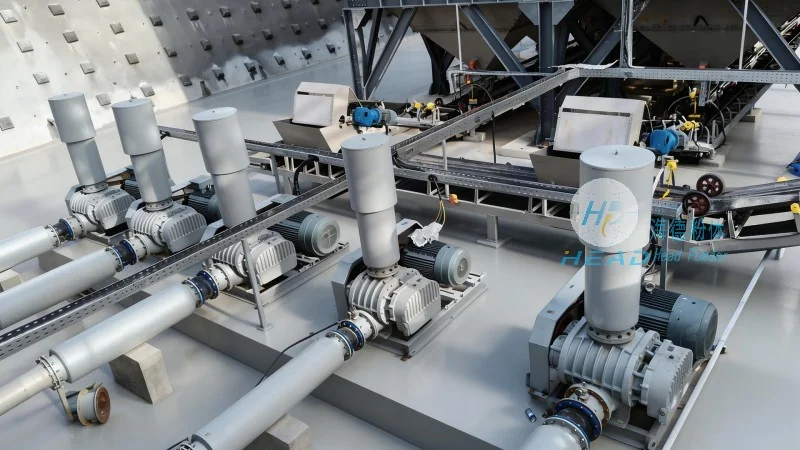
Mica powder material handling systems are used in a variety of applications across different industries. In the construction industry, mica powder is used as a filler in paints, coatings, and plastics. The handling systems ensure that the powder is delivered to production lines in a consistent and controlled manner, which is essential for maintaining product quality. For example, in the production of interior paints, mica powder is added to the base to improve the paint's texture and durability. The handling system must ensure that the powder is evenly mixed and that the final product has a uniform appearance. In the electrical industry, mica powder is used in the manufacturing of insulating materials and components. The precision handling of mica powder is critical to ensure the uniformity and reliability of these components. Mica is used as an insulating material in transformers and other electrical equipment, and the handling system must maintain the purity and consistency of the powder to ensure the quality of the final product. In the cosmetics industry, mica powder is used as a pigment and a filler in various products. The handling systems must maintain the purity and quality of the powder, as any contamination can affect the final product's appearance and performance. Mica is used in foundations, powders, and other cosmetic products, and the handling system must ensure that the powder is free from impurities and has a consistent particle size. Each application requires specific handling parameters, and the systems are tailored to meet these requirements. For instance, the cosmetics industry may require a more gentle handling process to avoid damaging the powder's particles, while the construction industry may require a more robust system to handle larger volumes.

 Shandong Headpowder Engineering Co., Ltd.
 156-6277-7102(Manager Zhang)
  0531-83386006
  Zhangqiu District, Jinan City, Shandong Province, China
telephone
WeChatconsult
top