

Working Principle and Features of PE Pellet Material Handling
PE (Polyethylene) pellet material handling systems are essential in various industrial applications, particularly in manufacturing and processing plants where the efficient transport of plastic pellets is critical for production efficiency. Understanding the working principle and key features of such systems is vital for optimizing material flow and ensuring smooth operational processes.
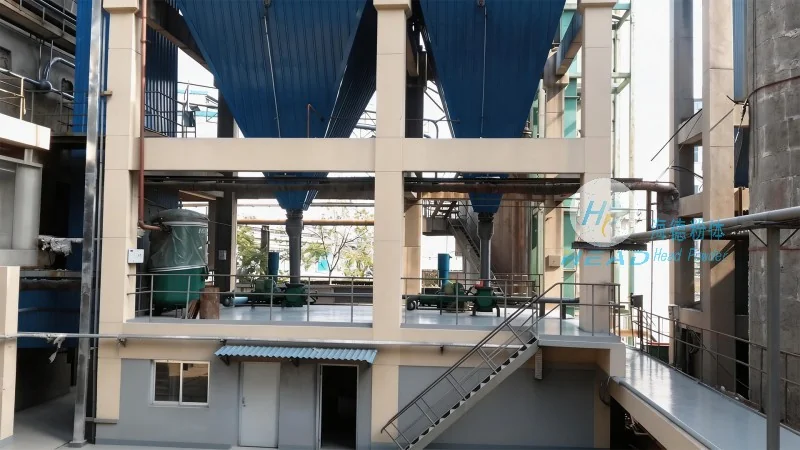
Working Principle of PE Pellet Material Handling
The working principle of PE pellet material handling systems revolves around the systematic movement of plastic pellets from storage to processing equipment. Typically, the process begins with the storage of PE pellets in a large hopper or silo, which is designed to hold significant quantities of material. The hopper is equipped with a feeder or metering device that regulates the flow of pellets into a conveyor system. This feeder may use various mechanisms such as screw feeders, vibratory feeders, or rotary valves to control the rate of material discharge. The conveyor system, which can be a belt conveyor, screw conveyor, or pneumatic conveyor, then transports the pellets to the next stage of the production line. The entire process is often controlled by a programmable logic controller (PLC) or a similar control system, which ensures that the material flow is consistent and meets the requirements of the downstream equipment. This automated control system allows for precise regulation of the pellet flow rate, preventing overfeeding or underfeeding, which can lead to production inefficiencies or equipment damage.
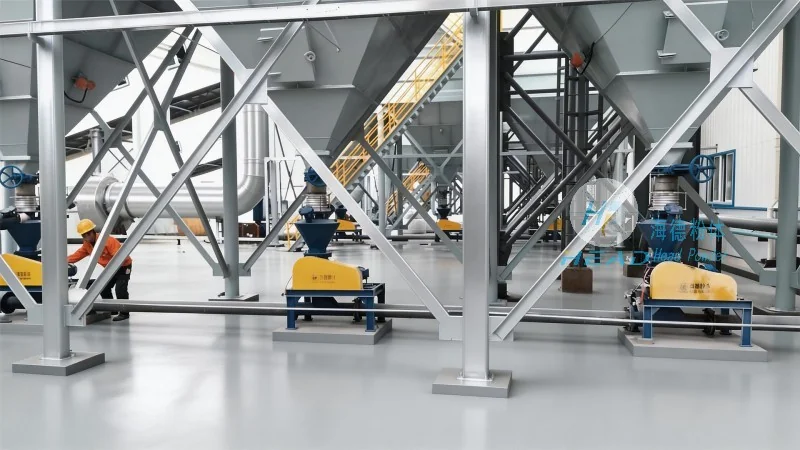
Key Features of PE Pellet Material Handling Systems
PE pellet material handling systems are distinguished by several critical features that enhance their functionality and reliability. One of the most important features is the ability to handle a wide variety of PE pellet characteristics, including different sizes, shapes, and densities. This versatility allows the systems to accommodate various PE types, such as low-density polyethylene (LDPE), high-density polyethylene (HDPE), and linear low-density polyethylene (LLDPE), which are commonly used in different applications. Another key feature is the integration of dust suppression and containment measures, which are essential for maintaining a clean and safe working environment. These features help to prevent dust accumulation, which can cause health hazards and equipment malfunctions. The robust construction of the equipment, typically made from stainless steel or other corrosion-resistant materials, ensures durability and long-term performance. Additionally, many systems are designed with modular components, enabling easy installation, maintenance, and expansion. This modularity allows businesses to scale their material handling capabilities as their production needs grow. Furthermore, advanced monitoring and diagnostic tools are often incorporated into the systems, providing real-time data on performance and alerting operators to any potential issues. This proactive approach to maintenance helps to minimize downtime and maximize operational efficiency.
Applications and Benefits in Industrial Settings
PE pellet material handling systems are widely utilized in industries such as plastics manufacturing, packaging, and chemical processing. The primary benefits of these systems include improved material handling efficiency, reduced labor costs, and enhanced workplace safety. By automating the transport of PE pellets, these systems eliminate the need for manual handling, which reduces the risk of accidents and injuries. The consistent and reliable delivery of pellets to processing equipment ensures that production runs smoothly, minimizing downtime and increasing overall output. Additionally, the ability to handle large volumes of material quickly and efficiently helps to meet the demands of high-volume production. The integration of advanced control technologies allows for precise regulation of material flow, ensuring that the correct amount of pellets is delivered at the right time. This precision is crucial for maintaining product quality and consistency. Furthermore, the systems often include features such as material level sensors and alarms, which provide early warnings of potential issues, allowing for timely intervention and preventing costly production disruptions.
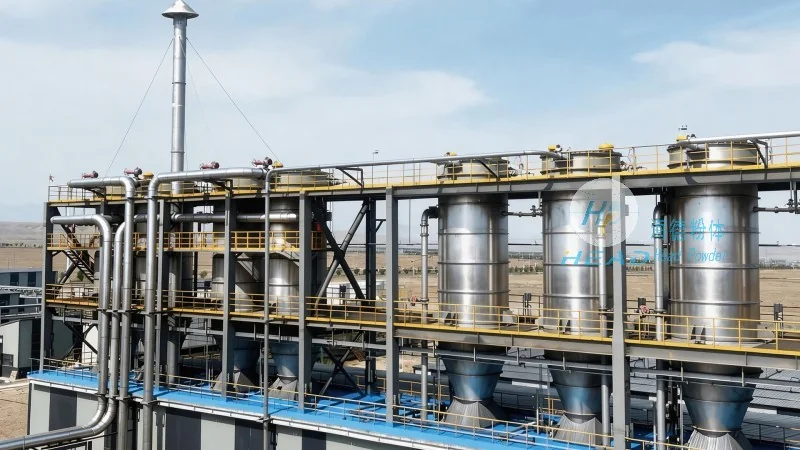
Company Overview: Shandong HeadPowder Engineering Co., Ltd.
Shandong HeadPowder Engineering Co., Ltd., operating under the brand name HeadPowder, is a prominent manufacturer and supplier of specialized material handling solutions for the plastics industry. With a strong commitment to innovation and quality, HeadPowder has established itself as a leader in the field of PE pellet material handling systems. The company's team of experienced engineers and technicians focuses on developing advanced solutions that address the unique challenges faced by modern manufacturing facilities. HeadPowder's products are designed to meet the highest standards of performance, reliability, and safety, ensuring that they meet the needs of clients in various industries. The company's facilities are located in Shandong, China, where it leverages local expertise and resources to deliver high-quality products and services. HeadPowder's dedication to customer satisfaction and technical excellence has earned it a reputation as a trusted partner for businesses seeking to optimize their material handling processes. The company continuously invests in research and development to stay at the forefront of technological advancements, ensuring that its products remain competitive and effective in the ever-evolving industrial landscape.