With more than 10‑year industry experience, Shandong Headpowder delivers full‑service pneumatic‑conveying systems and blowers, undertaking nationwide turn‑key powder‑handling projects.
Understanding the fundamental principles of diatomite pneumatic conveying systems is crucial for industries that rely on efficient material handling and processing. This article delves into the core mechanisms, components, and operational dynamics that define these systems, providing a comprehensive overview for professionals seeking to optimize their material transport processes.
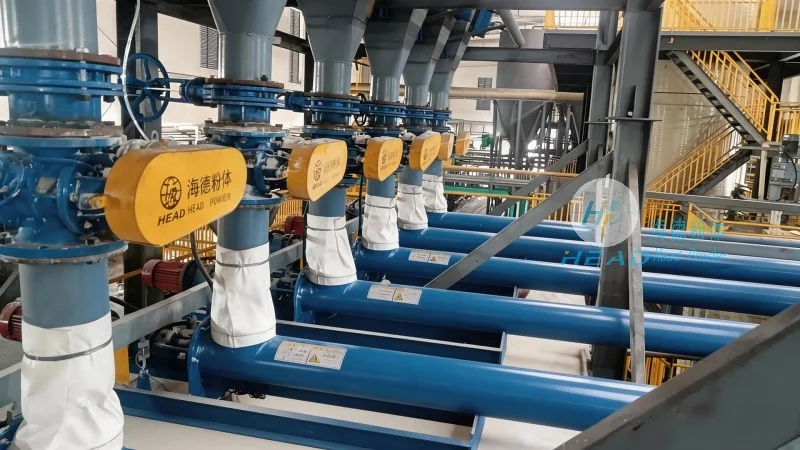
At the heart of any diatomite pneumatic conveying system are several critical components that work in tandem to ensure reliable and efficient operation. The primary elements include the material hopper, which stores the diatomite; the air compressor or blower, responsible for generating the necessary air pressure; the conveying line, which transports the material; and the receiver or discharge unit, where the material is collected. Each component plays a vital role in maintaining the system's performance and efficiency.
The operation of a diatomite pneumatic conveying system is based on the principle of air movement to transport solid particles. When the air compressor starts, it generates a flow of air that enters the material hopper. As the air flows upward, it lifts the diatomite particles and carries them through the conveying line to the receiver. The system's design, including the air velocity and pressure, is carefully calibrated to ensure that the diatomite moves smoothly without causing excessive wear or degradation. This pneumatic transport method offers a non-contact solution, reducing the risk of contamination and mechanical damage to the material.
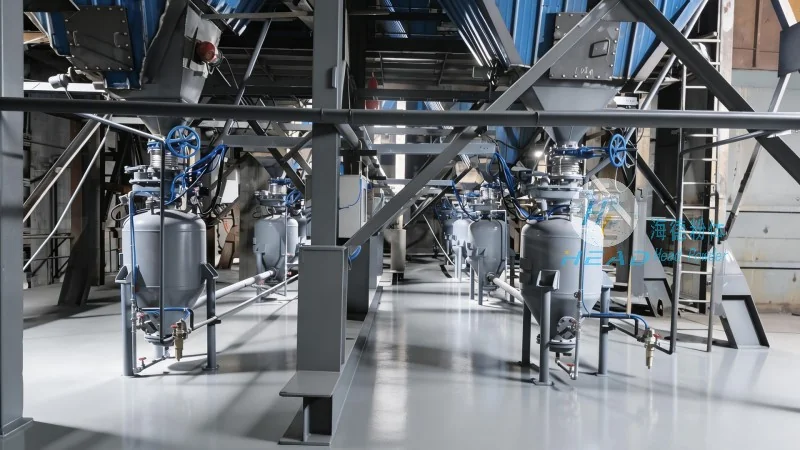
Compared to traditional mechanical conveying methods, diatomite pneumatic conveying systems offer several distinct advantages. These include reduced maintenance costs due to fewer moving parts, improved safety by eliminating the need for manual handling, and enhanced flexibility in system layout. Additionally, the system can handle a wide range of diatomite particle sizes and moisture contents, making it suitable for various industrial applications. The ability to transport materials over long distances without the need for intermediate storage or transfer points also contributes to operational efficiency.
Diatomite pneumatic conveying systems are widely used in industries such as pharmaceuticals, food processing, and chemical manufacturing, where the purity and integrity of the material are paramount. In these sectors, the non-contact nature of pneumatic conveying prevents contamination, ensuring that the diatomite remains free from foreign particles. The systems are also employed in environmental applications, such as dust collection and filtration, where the efficient transport of diatomite is essential for maintaining air quality. By leveraging the principles of pneumatic transport, these industries achieve higher productivity and better control over their material handling processes.
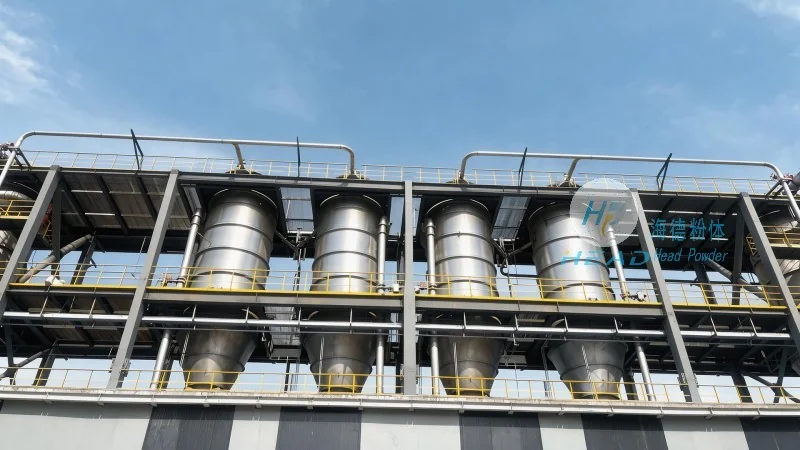
Shandong HeadPowder Engineering Co., Ltd. specializes in designing and manufacturing customized diatomite pneumatic conveying systems tailored to the specific needs of each client. With years of experience in the field, the company understands that no two industrial applications are identical, and thus offers flexible solutions that can be scaled to accommodate varying production volumes and material characteristics. Whether for small-scale laboratory use or large-scale industrial production, the systems are engineered to meet the highest standards of efficiency and reliability. The company's expertise in material science and pneumatic engineering ensures that each system is optimized for the unique properties of diatomite, resulting in optimal performance and longevity.
Proper maintenance is essential to ensure the long-term performance and reliability of diatomite pneumatic conveying systems. Regular inspections of the air compressor, conveying line, and receiver are recommended to identify and address any potential issues before they escalate. Cleaning the system regularly, especially after handling different materials, helps prevent clogging and maintains optimal air flow. Additionally, monitoring the air pressure and velocity ensures that the system operates within its designed parameters, preventing damage to components and ensuring consistent material transport. By adhering to these operational guidelines, users can maximize the lifespan of their equipment and minimize downtime.

 Shandong Headpowder Engineering Co., Ltd.
 156-6277-7102(Manager Zhang)
  0531-83386006
  Zhangqiu District, Jinan City, Shandong Province, China
telephone
WeChatconsult
top