With more than 10‑year industry experience, Shandong Headpowder delivers full‑service pneumatic‑conveying systems and blowers, undertaking nationwide turn‑key powder‑handling projects.
HeadPowder, a leading engineering company based in Shandong, China, specializes in the design and implementation of advanced pneumatic conveying systems tailored for foam plastic materials. This article delves into the fundamental principles underlying these systems, explaining how they efficiently transport lightweight, low-density foam plastics through an air-driven process.
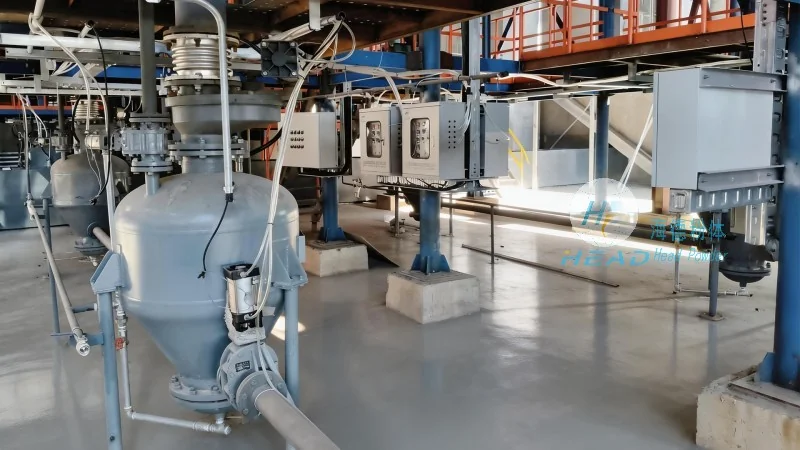
The foam plastic pneumatic conveying system operates by utilizing compressed air to move material from a source to a destination. Key components include a hopper for material storage, a venturi or eductor for air and material mixing, and a receiver for the discharged material. The system's efficiency depends on the proper balance of air pressure, flow rate, and material characteristics.
When foam plastic particles are introduced into the hopper, they fall into the conveying line under the influence of gravity. Simultaneously, compressed air is introduced at a controlled rate. The air flows through the venturi, creating a low-pressure zone that draws the foam particles into the air stream. This mixture is then transported through the pipeline to the receiver, where the air is separated from the material and discharged through a filter or vent.
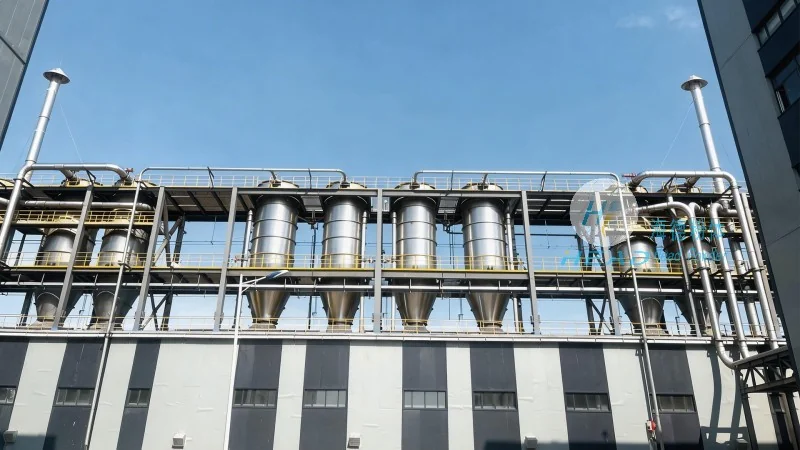
Compared to traditional mechanical conveying methods, pneumatic systems offer several advantages for foam plastic handling. These include minimal material degradation due to reduced friction, the ability to handle fine or irregularly shaped particles, and the flexibility to transport materials over long distances without the need for multiple transfer points. The system also allows for easy integration with other processing equipment, enhancing overall production efficiency.
HeadPowder's pneumatic conveying solutions are widely used in industries such as packaging, automotive, and construction, where foam plastics are processed for insulation, cushioning, or structural applications. The systems are particularly effective in environments requiring dust control and material cleanliness, as the enclosed pipeline prevents contamination and loss of product.
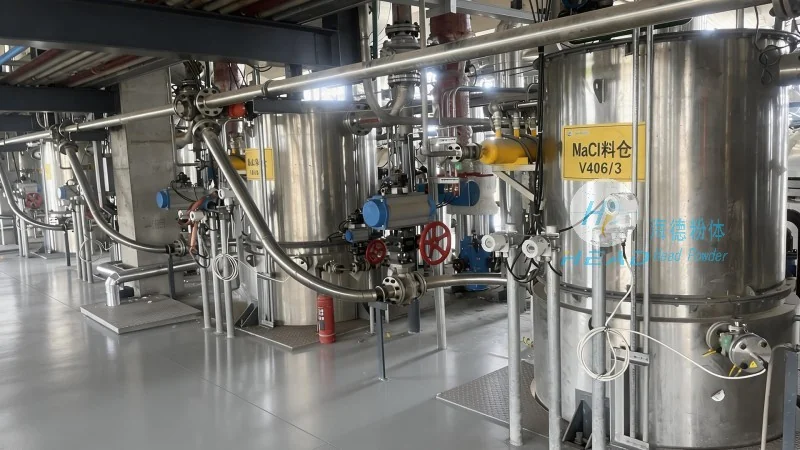
At Shandong HeadPowder Engineering Co., Ltd., we understand that each foam plastic application has unique requirements. Our team of engineers provides tailored solutions, considering factors such as material density, particle size distribution, and desired conveying distance. We offer comprehensive design, installation, and maintenance services to ensure optimal performance and longevity of the system.
By leveraging the principles of pneumatic conveying, HeadPowder delivers reliable and efficient solutions for foam plastic material handling. Our expertise in engineering and system design ensures that clients receive systems that meet their specific operational needs, contributing to improved productivity and cost-effectiveness in their production processes.

 Shandong Headpowder Engineering Co., Ltd.
 156-6277-7102(Manager Zhang)
  0531-83386006
  Zhangqiu District, Jinan City, Shandong Province, China
telephone
WeChatconsult
top