With more than 10‑year industry experience, Shandong Headpowder delivers full‑service pneumatic‑conveying systems and blowers, undertaking nationwide turn‑key powder‑handling projects.
HeadPowder, a leading engineering firm based in Shandong, China, specializes in the design and implementation of advanced pneumatic conveying systems for polyethylene resin powders. These systems are engineered to efficiently transport fine polyethylene resin powders over long distances, ensuring minimal product degradation and maintaining consistent quality throughout the process. The principle of pneumatic conveying relies on the use of compressed air or other gas to create a flow that moves the powder through a network of pipes. This method offers significant advantages over traditional mechanical conveying, such as reduced equipment wear, lower maintenance costs, and enhanced safety in handling potentially hazardous materials.
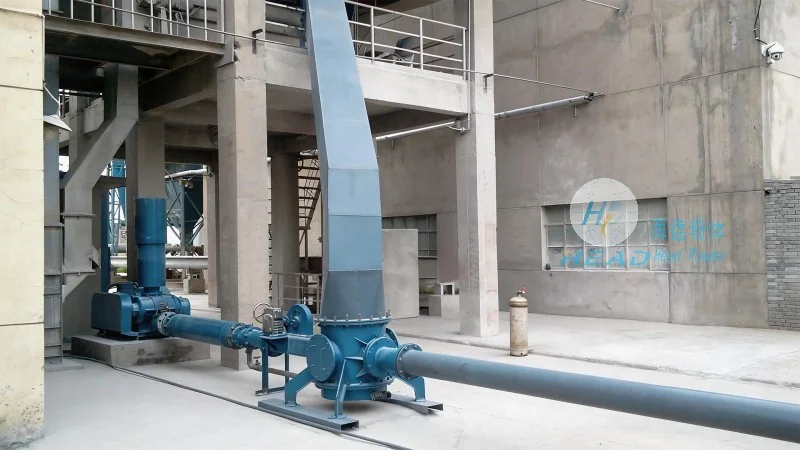
The pneumatic conveying system for polyethylene resin powders typically consists of several key components, each playing a critical role in the overall operation. The primary components include a hopper for material storage, a rotary valve or feeder to control the flow of resin powder, a conveying line (often made of stainless steel or other corrosion-resistant materials to handle the abrasive nature of the powder), a pressure vessel or receiver to collect the material at the destination, and a blower or compressor to generate the necessary air pressure. The system operates by first feeding the polyethylene resin powder into the hopper. The feeder then regulates the flow of the powder into the conveying line, where it is entrained by the high-velocity air stream generated by the blower. The air-powder mixture travels through the pipeline, and upon reaching the receiver, the air is separated from the powder, often through a cyclone or other separation device. The separated air is then discharged, while the polyethylene resin powder is collected for further processing or storage.
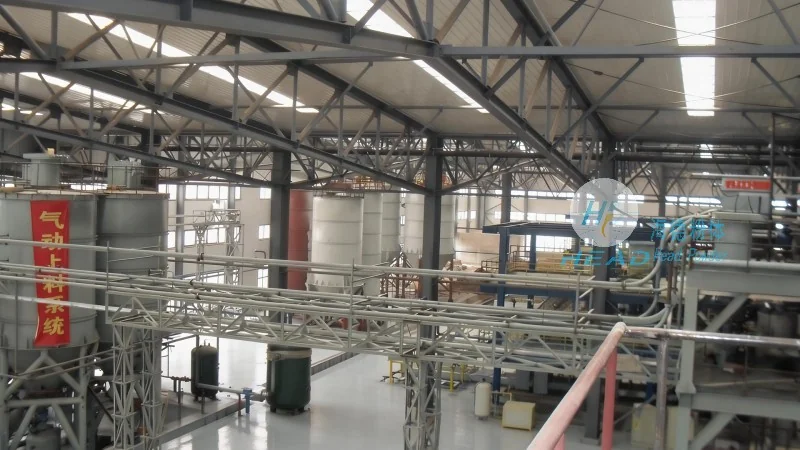
Implementing a pneumatic conveying system for polyethylene resin powders offers numerous benefits that enhance operational efficiency and product quality. One of the most significant advantages is the ability to handle fine powders without the need for mechanical agitation or high shear forces, which can cause agglomeration or degradation of the resin particles. This results in a more uniform product with consistent particle size distribution, which is crucial for downstream applications such as extrusion, molding, or compounding. Additionally, pneumatic conveying systems are highly flexible, allowing for changes in material flow rates and distances without major modifications to the equipment. They also provide better containment and dust control compared to other methods, reducing the risk of environmental contamination and improving workplace safety. The system's design also minimizes product exposure to external factors, such as moisture or contaminants, which can affect the performance of the polyethylene resin in final applications.
When designing a pneumatic conveying system for polyethylene resin powders, several factors must be carefully considered to ensure optimal performance and longevity. The first consideration is the material of construction for the conveying line and components. Since polyethylene resin powders can be abrasive and may contain moisture, materials like stainless steel, polypropylene, or special alloys are commonly used to resist corrosion and wear. The pipeline diameter and length are also critical, as they directly impact the air velocity and pressure required for effective conveying. Proper sizing ensures that the air-powder mixture maintains a stable flow without causing excessive pressure drops or particle separation. The choice of blower or compressor is another key factor, as it must provide sufficient air volume and pressure to handle the specific characteristics of the polyethylene resin powder, including its density, flowability, and moisture content. Furthermore, the system's control mechanisms, such as variable speed drives for the feeder and blower, allow for precise regulation of the material flow, enabling operators to adjust the system according to production demands. Proper maintenance, including regular cleaning of the conveying line and components, is essential to prevent clogging and ensure consistent performance over time.
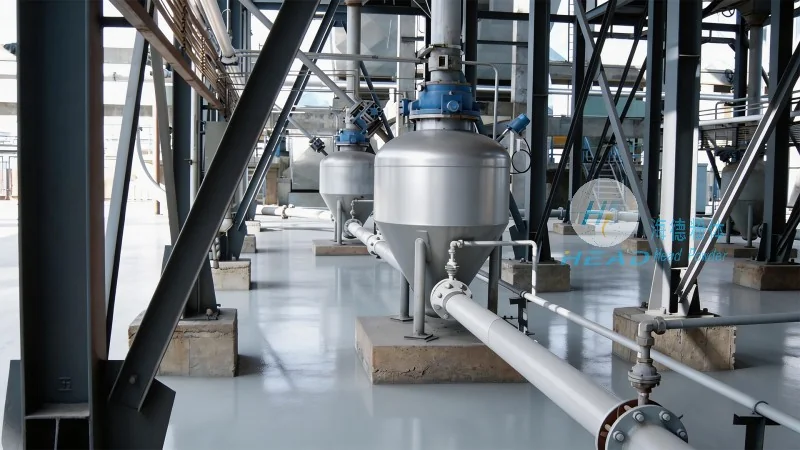
Pneumatic conveying systems for polyethylene resin powders are widely used in various industries, including plastics manufacturing, chemical processing, and material handling. In the plastics industry, these systems are integral to the production of polyethylene-based products, such as films, bottles, and packaging materials. The efficient transport of resin powders ensures a steady supply of raw material to processing lines, reducing downtime and improving overall production throughput. In chemical processing, the systems help in the handling of other fine powders that require similar handling characteristics, demonstrating the versatility of pneumatic conveying technology. The use of such systems not only improves operational efficiency but also contributes to cost savings by reducing labor and maintenance expenses associated with traditional conveying methods. As a result, companies like Shandong HeadPowder Engineering Co., Ltd. play a vital role in providing customized solutions that meet the specific needs of their clients, ensuring that polyethylene resin powders are handled safely and effectively throughout the supply chain.

 Shandong Headpowder Engineering Co., Ltd.
 156-6277-7102(Manager Zhang)
  0531-83386006
  Zhangqiu District, Jinan City, Shandong Province, China
telephone
WeChatconsult
top