With more than 10‑year industry experience, Shandong Headpowder delivers full‑service pneumatic‑conveying systems and blowers, undertaking nationwide turn‑key powder‑handling projects.
PP (Polypropylene) pellet pneumatic conveying systems are essential for efficient material handling in various industrial applications. This article provides an in-depth exploration of the fundamental principles and operational mechanisms behind such systems, highlighting their significance in modern manufacturing processes.
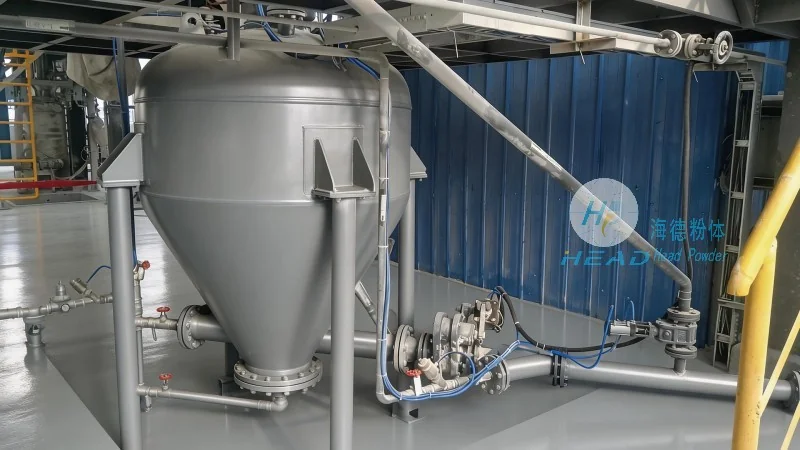
Pneumatic conveying systems utilize air or other gases to transport bulk materials, such as plastic pellets, through a pipeline network. The core principle involves creating a pressure differential to move the material from the source to the destination. There are two primary types of pneumatic conveying: pressure and vacuum systems. Pressure systems use compressed air to push the material, while vacuum systems use a vacuum to pull it. For PP pellets, the choice of system depends on factors like material characteristics, distance, and system complexity.
Effective PP pellet pneumatic conveying relies on several critical components that work in harmony to ensure smooth operation. These include:
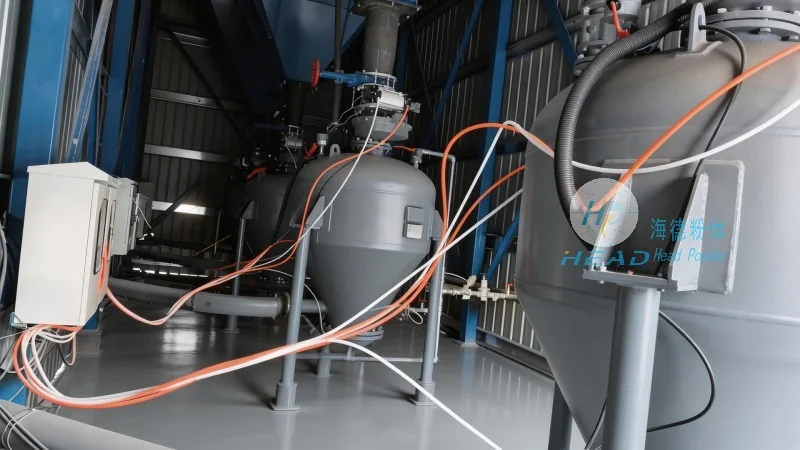
The operation of a PP pellet pneumatic conveying system is governed by fluid dynamics and material properties. The system creates a flow of air that entrains the pellets, forming a dense phase or dilute phase flow. The dense phase flow involves a higher concentration of material in the pipeline, which is generally more efficient for long-distance conveying. Dilute phase flow, on the other hand, has a lower material concentration and is suitable for shorter distances or when handling lighter materials.
Employing a pneumatic conveying system for PP pellets offers several advantages over traditional methods like belt conveyors or bucket elevators. These benefits include:
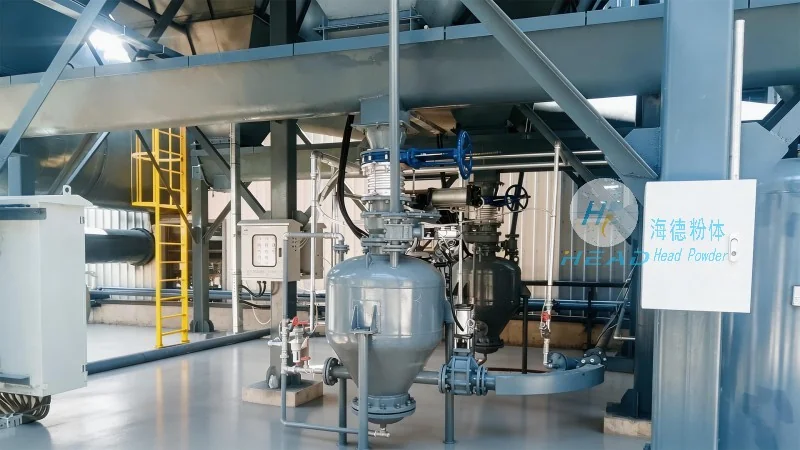
PP pellet pneumatic conveying systems are widely used in various industries, including:
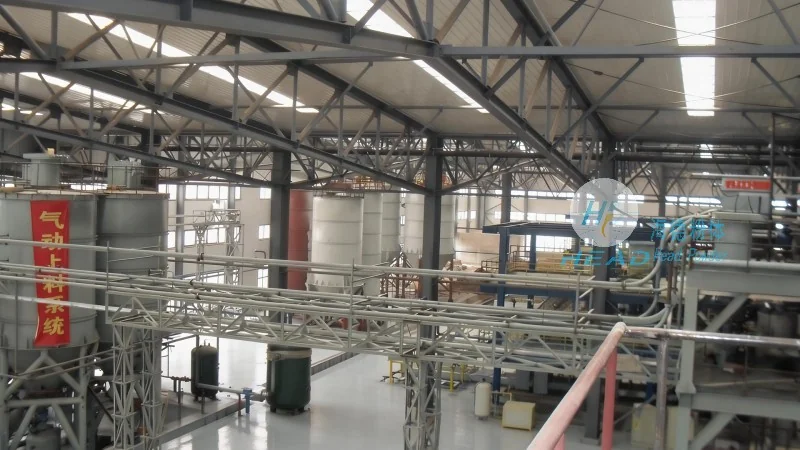
Shandong HeadPowder Engineering Co., Ltd., operating under the brand name headpowder, is a leading provider of pneumatic conveying solutions for industrial applications. With a focus on innovation and quality, the company specializes in designing and manufacturing customized PP pellet pneumatic conveying systems tailored to meet the specific needs of its clients. HeadPowder's expertise lies in understanding the unique challenges of material handling and developing efficient, reliable systems that enhance productivity and reduce operational costs.
PP pellet pneumatic conveying systems represent a sophisticated and efficient solution for material transport in modern industry. By leveraging the principles of pneumatic conveying, these systems offer significant advantages in terms of efficiency, product quality, and operational flexibility. For businesses dealing with PP pellets, investing in a well-designed pneumatic conveying system is a strategic decision that can lead to improved productivity and cost savings. With the support of companies like Shandong HeadPowder Engineering Co., Ltd., industries can access advanced solutions that optimize their material handling processes and drive overall success.

 Shandong Headpowder Engineering Co., Ltd.
 156-6277-7102(Manager Zhang)
  0531-83386006
  Zhangqiu District, Jinan City, Shandong Province, China
telephone
WeChatconsult
top