

Working Principle and Features of Glass Fiber Cellulose Pneumatic Conveying Equipment
Glass fiber cellulose is a widely used material in various industrial applications due to its excellent properties such as high tensile strength, good thermal stability, and low moisture absorption. Pneumatic conveying systems are essential for handling and transporting these materials efficiently, especially when dealing with fine powders or granules. This article provides an in-depth exploration of the working principle and key features of glass fiber cellulose pneumatic conveying equipment, highlighting its operational efficiency and technical advantages.
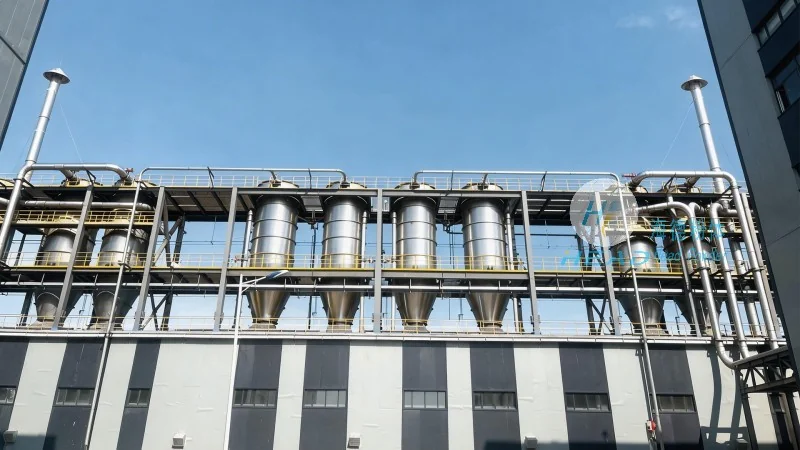
Introduction to Glass Fiber Cellulose Pneumatic Conveying Systems
Glass fiber cellulose, also known as glass fiber reinforced cellulose, is a composite material that combines the strength of glass fibers with the flexibility of cellulose. It is commonly used in industries like construction, automotive, and electronics for applications including insulation, reinforcement, and filtration. The pneumatic conveying system is a critical component for moving this material from storage to processing units, ensuring a smooth and controlled flow. The equipment designed for glass fiber cellulose must address the unique challenges posed by its fine particle size and abrasive nature, making it a specialized application within the broader field of pneumatic conveying.
Company Profile: Shandong HeadPowder Engineering Co., Ltd.
HeadPowder, a leading manufacturer in the field of material handling equipment, specializes in the design and production of pneumatic conveying systems tailored to diverse industrial needs. With a strong focus on innovation and quality, the company has established itself as a trusted partner for businesses requiring reliable and efficient material transport solutions. HeadPowder's expertise lies in customizing equipment to meet specific operational requirements, ensuring optimal performance and longevity. The company's facilities are located in Shandong, China, where it leverages advanced manufacturing technologies and a skilled workforce to deliver high-performance products. This background sets the stage for understanding the technical aspects of glass fiber cellulose pneumatic conveying systems.
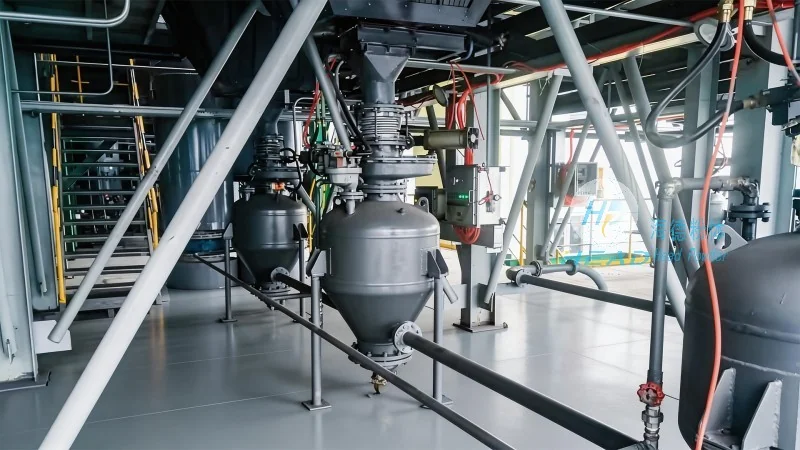
Working Principle of Glass Fiber Cellulose Pneumatic Conveying Equipment
The core of a pneumatic conveying system is the ability to transport material using air or gas as the conveying medium. For glass fiber cellulose, the system typically operates on the principle of positive pressure or negative pressure (vacuum) to move the material through a pipeline. The process begins with the material being fed into a hopper or feeder, where it is then introduced into the conveying line. A fan or blower generates the necessary airflow, which propels the material particles along the pipeline. The design of the system, including the type of airlock, feeder, and pipeline configuration, is crucial for maintaining consistent flow rates and preventing material degradation. The working principle involves several key components: the material feeder, which controls the input rate; the conveying line, which transports the material; and the receiver, which collects the material at the destination. Each component is engineered to handle the specific characteristics of glass fiber cellulose, ensuring efficient and reliable operation.
Key Features and Technical Advantages
Glass fiber cellulose pneumatic conveying equipment from HeadPowder is characterized by several distinct features that enhance its performance and usability. One of the primary advantages is the ability to handle fine and abrasive materials without causing excessive wear on the system components. The equipment is designed with durable materials such as stainless steel or high-grade alloys to withstand the abrasive nature of glass fiber cellulose, reducing maintenance costs and extending service life. Another key feature is the adjustable flow control, which allows operators to regulate the material throughput based on process requirements. This flexibility is particularly important in applications where varying production rates are common. The system also incorporates advanced filtration and cleaning mechanisms to prevent material buildup and ensure consistent performance. Additionally, the equipment is equipped with safety features such as pressure relief valves and overcurrent protection, ensuring safe operation in industrial environments. These features collectively contribute to the overall efficiency and reliability of the pneumatic conveying system.
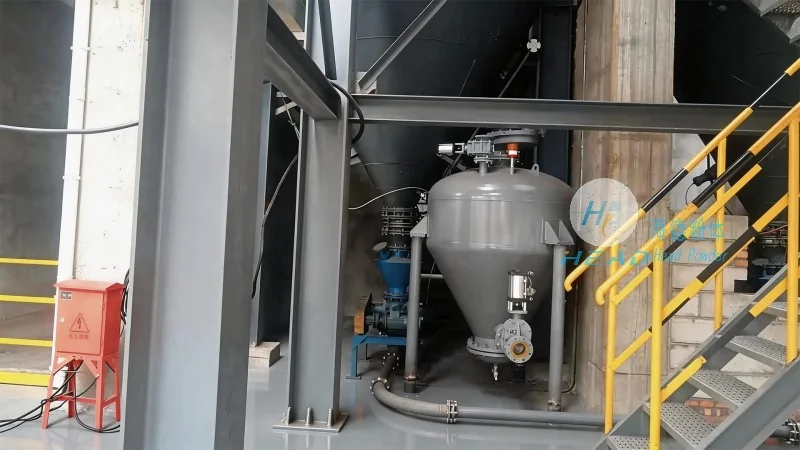
Operational Efficiency and Performance Metrics
The efficiency of a glass fiber cellulose pneumatic conveying system is evaluated based on several performance metrics, including material throughput, pressure drop, and energy consumption. The system's design aims to minimize pressure drop across the pipeline, which directly impacts the energy required to operate the fan or blower. By optimizing the pipeline diameter and length, as well as the number of bends and fittings, the system achieves a lower pressure drop, resulting in reduced energy costs. Material throughput is another critical metric, as it determines the system's capacity to meet production demands. The feeder and airlock design play a significant role in maintaining a consistent material flow rate, preventing blockages and ensuring smooth operation. The system's performance is also influenced by the air velocity, which must be sufficient to carry the material particles but not so high as to cause excessive wear or material degradation. HeadPowder's equipment is engineered to achieve optimal performance across these metrics, providing a reliable solution for glass fiber cellulose handling.
Application Examples and Industry Use Cases
Glass fiber cellulose pneumatic conveying systems are widely used in various industries, including construction, automotive, and electronics. In the construction industry, the material is used for insulation and reinforcement in building materials, and the conveying system ensures efficient transport from storage to manufacturing units. In the automotive sector, glass fiber cellulose is used in composite parts, and the pneumatic conveying system facilitates the movement of raw materials to production lines. The electronics industry utilizes glass fiber cellulose for filtration and insulation applications, and the equipment ensures precise handling of fine particles. These applications highlight the versatility and adaptability of the glass fiber cellulose pneumatic conveying system, making it a valuable asset in modern industrial operations. The system's ability to handle fine and abrasive materials makes it suitable for a wide range of processes, from material transport to processing and packaging.