With more than 10‑year industry experience, Shandong Headpowder delivers full‑service pneumatic‑conveying systems and blowers, undertaking nationwide turn‑key powder‑handling projects.
Continuous material feeding conveying equipment plays a crucial role in modern industrial processes, enabling efficient and automated material handling across various sectors. These systems are designed to transport bulk materials or products from one location to another with consistent and reliable performance, reducing manual labor and enhancing overall operational efficiency.
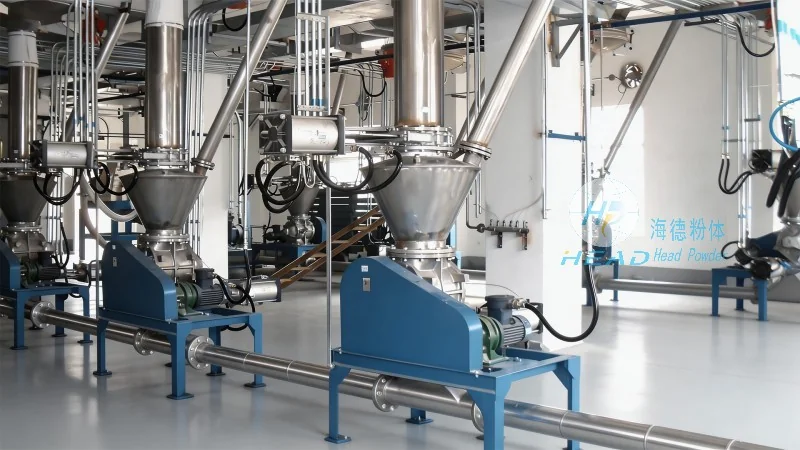
At Shandong HeadPowder Engineering Co., Ltd., we specialize in providing advanced solutions for material handling and processing. Our expertise lies in designing and manufacturing high-quality continuous feeding conveyors that meet the diverse needs of industries such as pharmaceuticals, food processing, and manufacturing. The equipment we offer is engineered to ensure seamless material flow, minimize downtime, and improve productivity in production lines.
The design of continuous material feeding conveyors is based on several key principles that ensure optimal performance and reliability. These include the selection of appropriate conveyor types, such as belt conveyors, screw conveyors, or chain conveyors, depending on the material characteristics and application requirements. The design also considers factors like load capacity, speed, and the need for integration with other processing equipment.
One of the fundamental aspects of the design is the material handling mechanism. For example, belt conveyors use a continuous belt to transport materials, while screw conveyors utilize a rotating screw to move bulk materials through a tube. The choice of mechanism depends on the material's flowability, abrasiveness, and the required level of control over the feeding process. Additionally, the design incorporates features like adjustable speed controls, material sensors, and safety mechanisms to ensure safe and efficient operation.
Continuous material feeding conveyors consist of several essential components that work together to achieve the desired material handling objectives. These components include the drive system, which provides the power to move the conveyor; the conveyor bed or belt, which supports the material; and the feeding mechanisms, such as hoppers or feeders, that introduce the material into the system. The drive system may use electric motors, gearboxes, or variable frequency drives to adjust the speed and direction of the conveyor.
The feeding mechanisms are critical for ensuring a consistent and controlled flow of materials. Hoppers are often used to store and feed bulk materials, while feeders like vibratory feeders or rotary valves regulate the material discharge rate. These components are designed to minimize material degradation, prevent blockages, and maintain a steady flow rate, which is essential for maintaining the efficiency of downstream processing equipment.
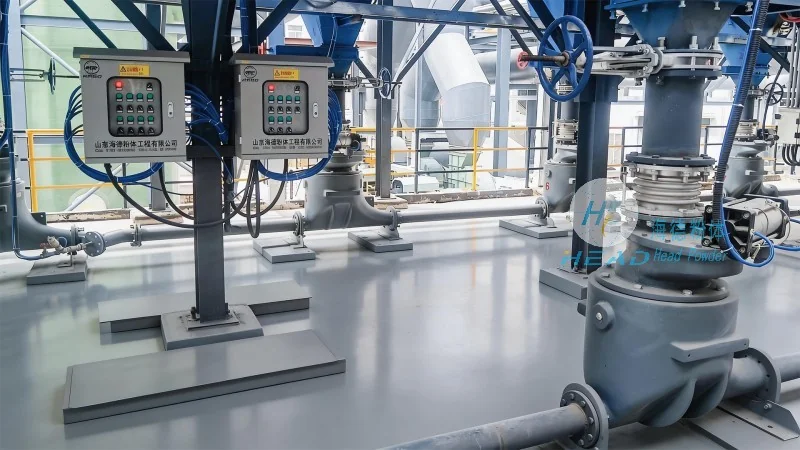
Continuous material feeding conveyors are widely used in various industries due to their versatility and efficiency. In the pharmaceutical industry, these systems are used to transport raw materials or finished products through packaging lines, ensuring a clean and controlled environment. In food processing, they help in moving ingredients or packaged products from processing stations to packaging machines, maintaining hygiene and product integrity.
In manufacturing, continuous feeding conveyors are employed in assembly lines to transport components or subassemblies to workstations, streamlining the production process. The equipment is also used in mining and construction industries to transport bulk materials like coal, gravel, or sand from storage areas to processing or construction sites. The adaptability of these systems allows them to be customized for specific applications, making them a valuable asset in any industrial setting.
Implementing continuous material feeding conveyors offers numerous advantages over traditional manual or batch processing methods. One of the primary benefits is increased efficiency and productivity, as these systems can operate continuously without the need for frequent stops or manual intervention. This leads to reduced production time and higher output volumes.
Another significant advantage is improved safety. By automating the material handling process, the risk of human error and workplace accidents is minimized. The equipment is designed with safety features such as emergency stop buttons, safety guards, and sensors that detect obstructions or overloads, preventing potential hazards. Additionally, the consistent flow of materials reduces the likelihood of material buildup or spills, which can cause damage to equipment or environmental issues.
Cost-effectiveness is another key benefit. While the initial investment in continuous feeding conveyors may be higher than manual methods, the long-term savings from reduced labor costs, increased productivity, and lower maintenance expenses make them a cost-effective solution. The equipment also reduces material waste by ensuring precise and controlled feeding, which is particularly important in industries where material loss can impact profitability.
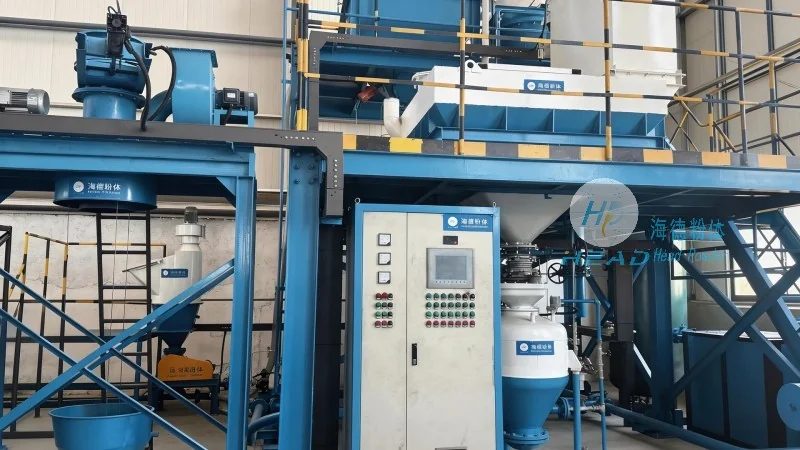
Shandong HeadPowder Engineering Co., Ltd. understands that each industrial application has unique requirements. Therefore, we offer customized solutions tailored to our clients' specific needs. Our team of engineers works closely with clients to design and manufacture continuous material feeding conveyors that integrate seamlessly with existing production lines and processing equipment.
Customization options include adjusting the conveyor length, width, and speed to match the production capacity. The feeding mechanisms can also be modified to handle different material types, such as powders, granules, or bulk solids. Additionally, the equipment can be equipped with sensors and control systems that allow for integration with other automation technologies, such as robotics or computerized control systems. This integration enhances the overall efficiency of the production process and enables real-time monitoring and control of material flow.
Proper maintenance is essential to ensure the long-term performance and reliability of continuous material feeding conveyors. Regular maintenance tasks include checking the condition of the conveyor belt or bed, lubricating moving parts, and inspecting the drive system for wear and tear. Our company provides comprehensive maintenance services to help clients keep their equipment in optimal condition, minimizing downtime and maximizing operational efficiency.
Operational considerations also include the proper selection of materials for the conveyor components to ensure compatibility with the materials being handled. For example, in food processing applications, the conveyor may be made of stainless steel to meet hygiene standards. In industrial applications, the components may be made of durable materials like rubber or metal to withstand harsh conditions. Proper training of operators on the safe and efficient operation of the equipment is also crucial to prevent accidents and ensure optimal performance.
Continuous material feeding conveying equipment is a vital component in modern industrial operations, offering enhanced efficiency, safety, and cost-effectiveness. At Shandong HeadPowder Engineering Co., Ltd., we are committed to providing high-quality, customized solutions that meet the diverse needs of our clients. Our expertise in design, manufacturing, and maintenance ensures that our clients receive reliable and efficient equipment that contributes to their overall success. By investing in continuous feeding conveyors, industries can improve their production processes, reduce costs, and stay competitive in today's market.

 Shandong Headpowder Engineering Co., Ltd.
 156-6277-7102(Manager Zhang)
  0531-83386006
  Zhangqiu District, Jinan City, Shandong Province, China
telephone
WeChatconsult
top