With more than 10‑year industry experience, Shandong Headpowder delivers full‑service pneumatic‑conveying systems and blowers, undertaking nationwide turn‑key powder‑handling projects.
When it comes to processing and transporting rice flour, specialized equipment is essential for ensuring efficiency, safety, and product quality. This article explores the key aspects of rice flour material handling equipment, including its design principles and functional applications. The equipment is designed to handle the unique properties of rice flour, such as its fine particle size, low bulk density, and tendency to clump or absorb moisture. These characteristics make traditional handling methods insufficient, as they may lead to material degradation, dust generation, or operational inefficiencies. Therefore, specialized equipment is crucial for maintaining the integrity of rice flour and ensuring smooth production in food processing facilities.
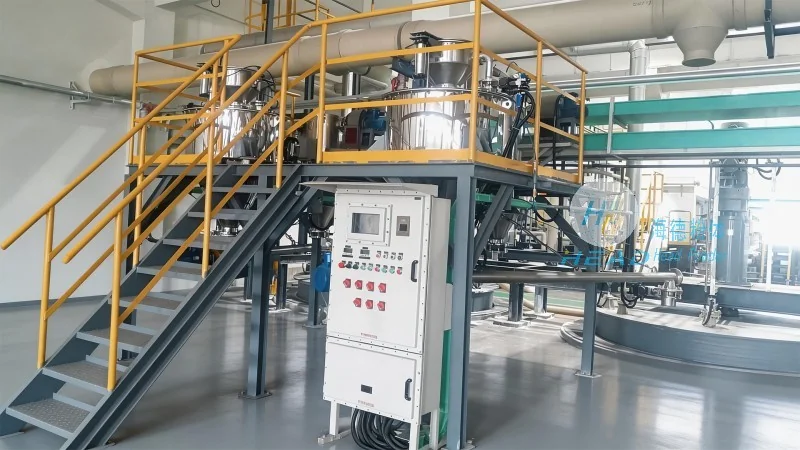
HeadPowder Engineering Co., Ltd., a leading manufacturer based in Shandong, China, specializes in developing comprehensive material handling solutions tailored for the food processing industry. The core components of a rice flour material handling system typically include feeders, conveyors, hoppers, and dust control systems. Each component plays a critical role in the smooth operation of the entire process. For instance, feeders are used to regulate the flow of rice flour from storage bins to the processing line, ensuring consistent feed rates. This is particularly important in rice flour processing, as variations in feed rate can affect the quality of the final product. Conveyors, such as belt or screw conveyors, transport the flour through different stages of production, while hoppers provide storage and intermediate buffering. Dust control systems are crucial for maintaining a safe working environment, as rice flour is a fine powder that can easily become airborne and cause respiratory issues or fire hazards. These systems may include filters, ventilation hoods, and dust collection units to capture and remove airborne particles.
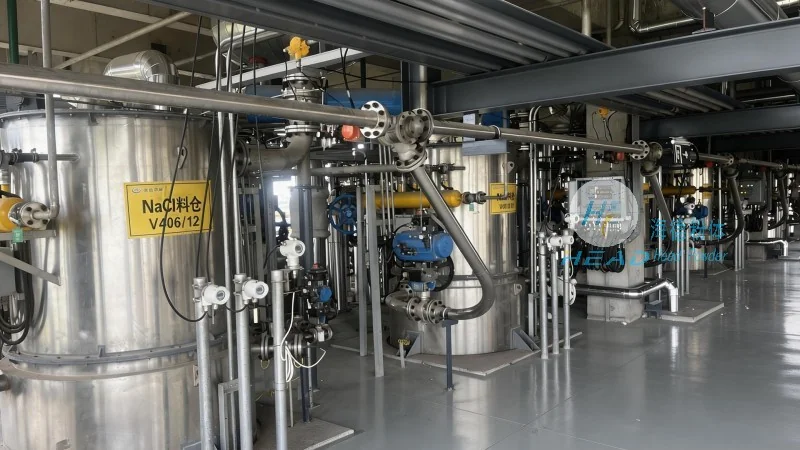
The design of rice flour material handling equipment follows several fundamental principles to optimize performance and minimize operational risks. One of the primary principles is the minimization of material degradation. Rice flour is sensitive to moisture and temperature changes, so equipment is designed to maintain stable conditions throughout the handling process. This includes using materials that are non-corrosive and easy to clean, such as stainless steel, to prevent contamination and ensure compliance with food safety regulations. Another key principle is the prevention of product segregation. Since rice flour can vary in particle size and density, the design incorporates features like gentle feeding mechanisms and uniform flow paths to avoid separation of different particle sizes, which could affect the final product quality. For example, the use of slow-moving screws or low-speed conveyors reduces the risk of particle separation and maintains a consistent product composition.
HeadPowder offers a range of conveying equipment suitable for rice flour handling. The choice of equipment depends on the specific application and production scale. For example, screw conveyors are commonly used for vertical or inclined transport due to their ability to handle fine powders without clogging. These conveyors use a rotating screw to move material along a tube, providing a continuous and controlled flow. The design of the screw and the pitch (distance between screw flights) are critical factors that affect the conveying capacity and the risk of material bridging or clogging. Belt conveyors, on the other hand, are ideal for horizontal or slightly inclined transport, especially in larger production facilities. They can handle higher volumes and are more flexible in terms of layout, allowing for integration with other processing equipment. Additionally, pneumatic conveying systems, which use air pressure to transport the flour, are often employed for long-distance or complex routing requirements. These systems are particularly effective in preventing dust contamination and ensuring a clean transfer process. Pneumatic conveyors can be classified as positive or negative pressure systems, with positive pressure systems being more common for rice flour due to their ability to handle fine powders without the need for high air velocities.
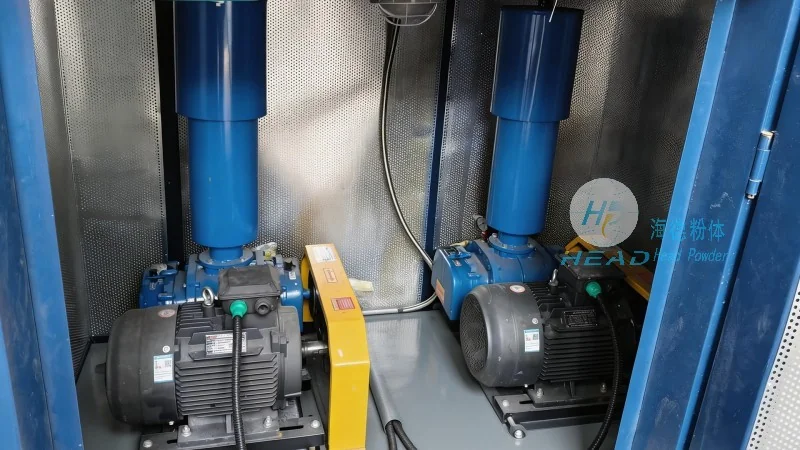
HeadPowder Engineering Co., Ltd. provides customized material handling solutions that meet the specific needs of rice flour processing plants. The company’s expertise lies in integrating various components into a cohesive system that enhances overall efficiency. For instance, their systems may include automated feeding mechanisms that adjust feed rates based on real-time production demands, reducing waste and improving productivity. The company also emphasizes the importance of maintenance and durability, as rice flour handling equipment is subject to frequent use and potential wear from abrasive particles. By using high-quality materials and robust construction, their equipment ensures long-term reliability and minimal downtime. Furthermore, HeadPowder offers technical support and after-sales services to assist clients in optimizing their material handling processes and addressing any operational challenges. Their team of engineers works closely with clients to understand their production requirements and recommend the most suitable equipment configurations. This collaborative approach ensures that the final system is tailored to the client's specific needs, resulting in improved operational performance and cost savings over time.

 Shandong Headpowder Engineering Co., Ltd.
 156-6277-7102(Manager Zhang)
  0531-83386006
  Zhangqiu District, Jinan City, Shandong Province, China
telephone
WeChatconsult
top