With more than 10‑year industry experience, Shandong Headpowder delivers full‑service pneumatic‑conveying systems and blowers, undertaking nationwide turn‑key powder‑handling projects.
Heavy calcium material handling equipment plays a crucial role in the industrial processing of calcium carbonate, a widely used chemical raw material. These specialized machines are designed to efficiently transport and handle heavy calcium powder, which is essential for various applications in industries such as paper, plastics, and coatings. Understanding the design principles behind these equipment is vital for optimizing material flow, ensuring safety, and enhancing operational efficiency.
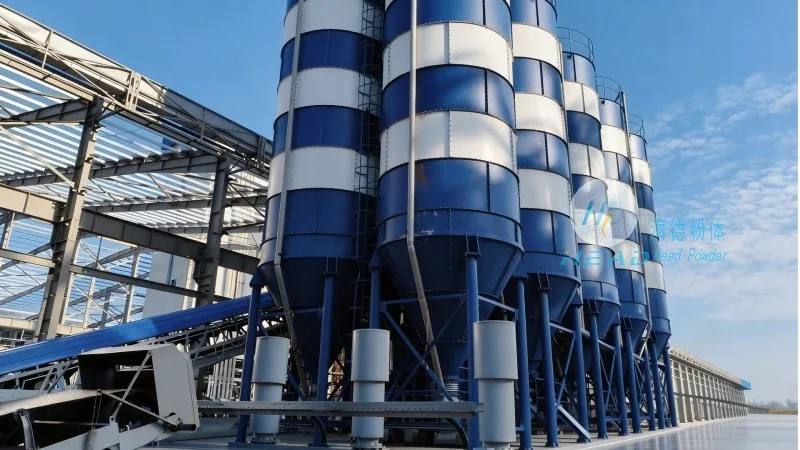
Heavy calcium material handling equipment refers to a range of machinery and systems engineered to transport, store, and manage heavy calcium powder, also known as calcium carbonate. This material, characterized by its high density and fine particle size, requires specialized equipment to handle safely and effectively. The equipment is designed to address the unique challenges posed by heavy calcium powder, including its tendency to clog, agglomerate, and create dust during handling. By leveraging advanced engineering principles, these systems ensure reliable operation in industrial settings.
The design of heavy calcium material handling equipment is guided by several key principles aimed at optimizing performance and safety. First, the equipment must be constructed from materials that are resistant to corrosion and wear, as heavy calcium powder can be abrasive and may contain acidic components. Stainless steel and special alloys are commonly used for components such as hoppers, chutes, and conveyor belts to ensure durability. Second, the design emphasizes efficient material flow to prevent clogging and blockages. This is achieved through the use of inclined chutes, vibration systems, and air-assisted conveying mechanisms. The equipment is also designed with features that minimize dust generation, such as sealed hoppers and enclosed conveyor systems, to comply with occupational health and safety regulations.
Third, the design incorporates control systems that allow for precise regulation of material flow rates and pressure. Variable speed drives and sensors are integrated to monitor the flow of heavy calcium powder, enabling operators to adjust the system in real-time based on operational conditions. This adaptability is crucial for maintaining consistent performance, especially when handling varying particle sizes or moisture content in the material. Additionally, the equipment is designed for easy maintenance and cleaning, with removable components that can be cleaned to prevent material buildup and ensure long-term reliability.
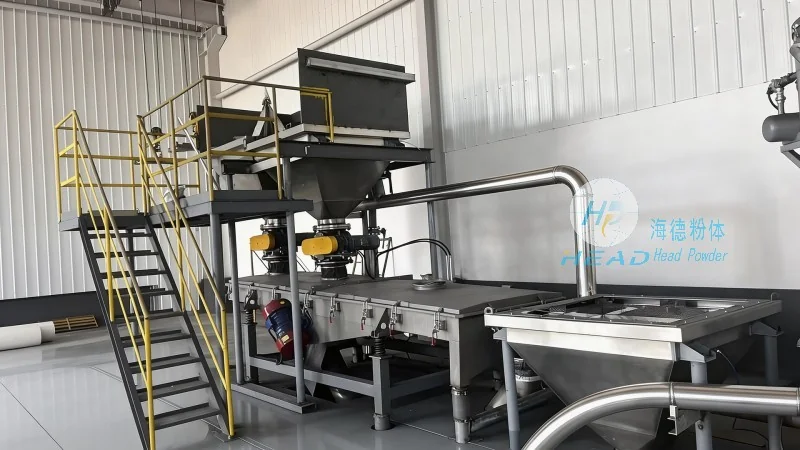
Heavy calcium material handling equipment typically consists of several key components that work together to achieve efficient material transport. The primary components include hoppers for material storage, feeding mechanisms to control the flow of powder into the system, conveying systems such as screw conveyors or pneumatic conveyors, and discharge units for delivering the material to the next processing stage. Each component is designed with specific considerations for heavy calcium powder, ensuring that the material is handled without degradation or loss.
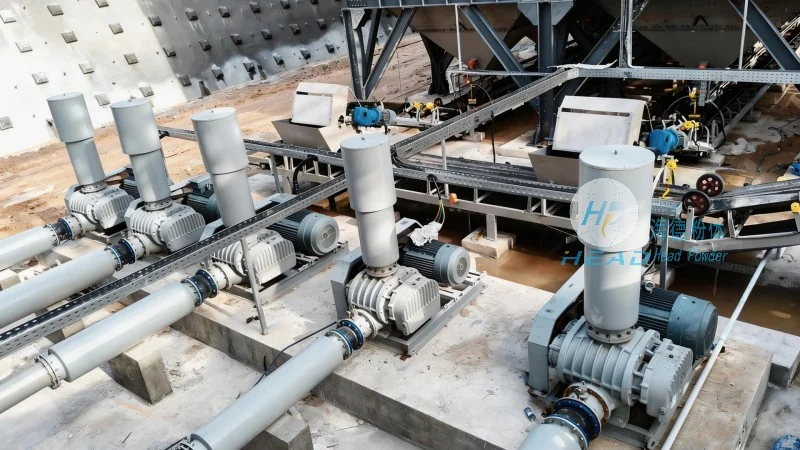
For example, screw conveyors are commonly used for horizontal or slight incline transport due to their ability to handle bulk materials without the need for external power sources like air. The screws are typically made of high-strength materials and are designed with a pitch that matches the particle size of the heavy calcium powder to prevent clogging. Pneumatic conveyors, on the other hand, use air pressure to transport the material, which is particularly effective for fine powders that require gentle handling. These systems often include cyclone separators and filters to separate the material from the air stream, ensuring that the powder is collected efficiently and without contamination.
Heavy calcium material handling equipment is widely used in various industrial applications where calcium carbonate is a key raw material. In the paper industry, for instance, these systems are used to transport heavy calcium powder to paper mills, where it is incorporated into the paper-making process. In the plastics industry, the equipment is used to blend heavy calcium powder with polymer resins to produce lightweight and durable plastic products. The consistent and efficient handling of heavy calcium powder by these systems ensures that the final products meet quality standards and are produced at optimal rates.
The operational benefits of using specialized heavy calcium material handling equipment are significant. By improving material flow efficiency, these systems reduce downtime and maintenance costs, leading to increased productivity. The design features that minimize dust and clogging also enhance workplace safety and compliance with environmental regulations. Additionally, the precise control systems allow for better process management, enabling manufacturers to adjust the material flow based on production demands and material characteristics.
Heavy calcium material handling equipment is a critical component in the industrial processing of calcium carbonate, designed to address the unique challenges of handling heavy, fine powders. The design principles, including material selection, efficient flow control, and safety features, ensure that these systems operate reliably and efficiently. As a leading manufacturer in this field, Shandong HeadPowder Engineering Co., Ltd. specializes in providing high-quality heavy calcium material handling equipment tailored to the specific needs of industrial clients. With a focus on durability, safety, and performance, the company's products help industries optimize their material handling processes and enhance overall operational efficiency.

 Shandong Headpowder Engineering Co., Ltd.
 156-6277-7102(Manager Zhang)
  0531-83386006
  Zhangqiu District, Jinan City, Shandong Province, China
telephone
WeChatconsult
top