

What is a Quantitative Weighing Material Pneumatic Conveying Machine? What Are Its Design Principles
Welcome to the world of industrial material handling, where precision and efficiency are paramount. In this article, we delve into the realm of quantitative weighing material pneumatic conveying machines, exploring their fundamental design principles and operational mechanisms. As a leading manufacturer in the field, Shandong HeadPowder Engineering Co., Ltd. brings decades of expertise to the development and application of these critical systems, ensuring optimal performance for diverse industrial needs.
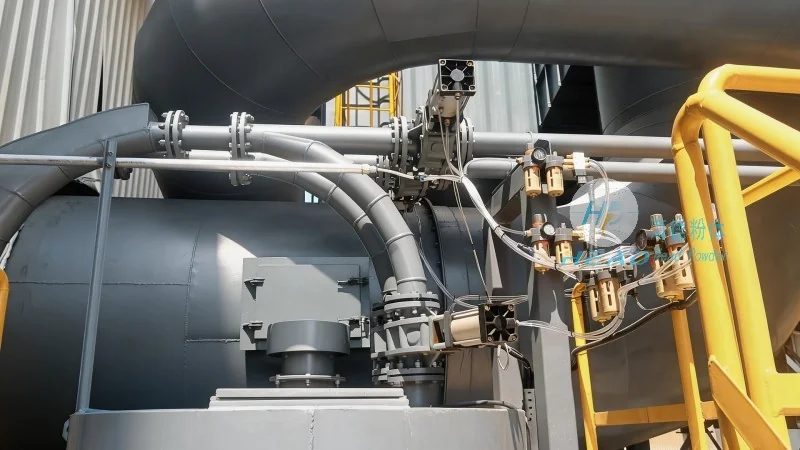
Understanding the Core Function of Quantitative Weighing Pneumatic Conveying Machines
At its essence, a quantitative weighing material pneumatic conveying machine is a sophisticated system engineered to transport bulk materials through an air stream while simultaneously measuring and controlling the exact quantity of material being conveyed. This technology is pivotal in industries where accuracy in material handling is non-negotiable, such as pharmaceuticals, food processing, and chemical manufacturing. The machine integrates pneumatic conveying technology with advanced weighing mechanisms, enabling real-time monitoring and adjustment of material flow rates. By combining these two functionalities, it eliminates the need for separate weighing and conveying equipment, streamlining processes and reducing operational complexity.
Key Components and Working Principle
The design of a quantitative weighing material pneumatic conveying machine involves several critical components, each playing a vital role in the overall operation. The primary components include a material hopper, a rotary valve (or feeder), a pneumatic conveying line, a dust collector, and a load cell or scale system for weighing. The process begins with the material being fed from the hopper into the feeder, which regulates the flow rate based on the required output. Simultaneously, a controlled air stream is generated, typically using a blower or compressor, to transport the material through the conveying line. The load cell, strategically positioned at the discharge end, measures the mass of material passing through, providing data to the control system. This system continuously adjusts the feeder speed or air pressure to maintain the desired weight per unit time, ensuring precise and consistent material delivery.
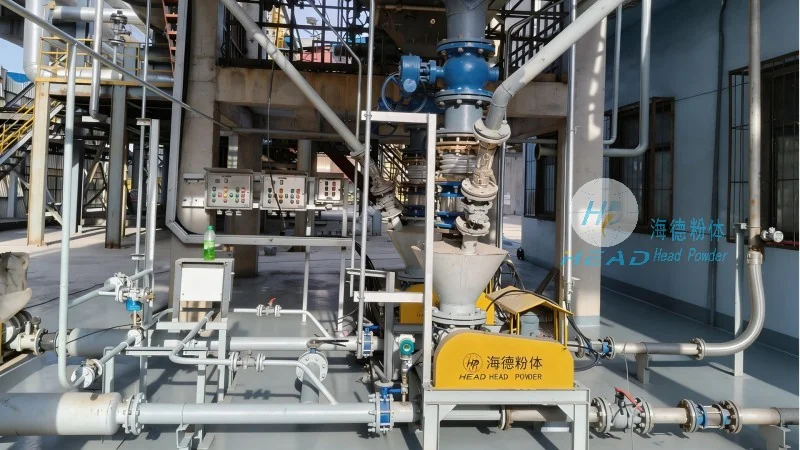
Design Principles for Precision and Efficiency
Designing a quantitative weighing material pneumatic conveying machine requires adherence to several key principles to achieve optimal performance. First, the system must ensure minimal material degradation and loss during transport. This is achieved through the use of appropriate air velocities and pipeline diameters, preventing material abrasion and clogging. Second, the weighing mechanism must be highly accurate and responsive, capable of detecting even subtle changes in material flow. Modern systems employ load cells with high resolution and fast response times, often integrated with digital control systems that provide real-time feedback and automatic adjustments. Third, the overall system must be energy-efficient, minimizing power consumption while maintaining high conveying rates. This is accomplished through the selection of energy-efficient blowers, optimized pipeline layouts, and intelligent control algorithms that adjust air pressure and flow based on the material characteristics and conveying distance.
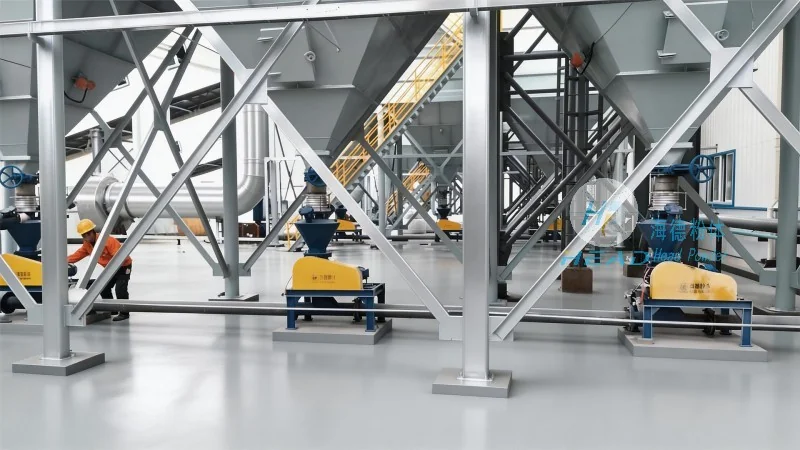
Application Scenarios and Industry Benefits
The versatility of quantitative weighing material pneumatic conveying machines makes them indispensable in a wide range of industrial applications. In the pharmaceutical industry, for example, these systems are used to transport active pharmaceutical ingredients (APIs) and excipients with extreme precision, ensuring compliance with stringent quality standards and regulatory requirements. In food processing, they are employed to handle powders and granules, such as flour, sugar, and spices, maintaining hygiene and preventing contamination. The chemical industry also benefits from these systems when handling hazardous or sensitive materials, as the closed-loop design minimizes exposure risks and ensures safe material transfer. The primary benefits of these machines include improved process control, reduced material waste, enhanced product quality, and increased operational efficiency. By eliminating manual weighing and manual material handling, these systems also contribute to workplace safety and reduced labor costs.
Company Profile and Technical Expertise
Shandong HeadPowder Engineering Co., Ltd., a renowned manufacturer based in China, specializes in the design, manufacturing, and supply of advanced material handling equipment, including quantitative weighing material pneumatic conveying machines. With a strong commitment to innovation and quality, the company has established itself as a leader in the industry, serving clients globally with tailored solutions that meet their specific operational needs. HeadPowder engineers leverage cutting-edge technology and decades of experience to develop systems that are not only highly efficient but also durable and reliable. The company's facilities are equipped with state-of-the-art testing equipment, allowing for rigorous performance validation before delivery. HeadPowder's team of experts provides comprehensive technical support, from initial consultation and system design to installation, commissioning, and after-sales service. With a focus on customer satisfaction and long-term partnerships, HeadPowder continues to advance the capabilities of material handling technology, helping industries achieve higher levels of productivity and precision.