

Working Principle and Characteristics of Quartz Stone Pneumatic Conveying
Quartz stone, a widely used material in various industries such as construction, manufacturing, and decorative applications, often requires efficient and reliable material handling solutions. Pneumatic conveying systems have emerged as a preferred method for transporting quartz stone due to their versatility and effectiveness. This article explores the working principle and key characteristics of quartz stone pneumatic conveying, highlighting the technology's benefits and operational aspects.
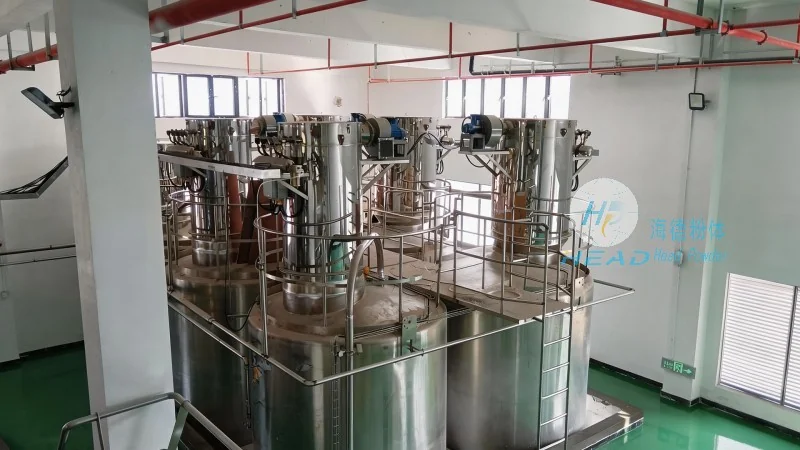
Understanding the Working Principle of Quartz Stone Pneumatic Conveying
Pneumatic conveying, also known as air conveying, is a process that uses pressurized or vacuum air to transport solid materials like quartz stone through a pipeline. The core principle involves creating a flow of air that can lift and move the particles from the source to the destination. In the case of quartz stone, the system typically operates by generating a high-velocity air stream within the conveying line. As the air flows, it creates a negative pressure or positive pressure environment that pulls or pushes the quartz particles along the pipeline. The design of the system, including the type of air flow (e.g., dilute phase or dense phase), plays a crucial role in determining the efficiency and capacity of the conveying process.
For quartz stone, which is often a fine or coarse material depending on the application, the choice of conveying method can significantly impact the system's performance. Dilute phase pneumatic conveying is commonly used for transporting quartz stone over moderate distances, where the material is suspended in the air stream. This method is suitable for materials that are non-abrasive or have a relatively low density. Conversely, dense phase pneumatic conveying is employed for longer distances or when the material needs to be transported with minimal degradation. In dense phase systems, the material is conveyed in a slurry-like state, reducing the risk of particle breakage and ensuring a more controlled flow.
Key Characteristics of Quartz Stone Pneumatic Conveying Systems
Quartz stone pneumatic conveying systems exhibit several distinct characteristics that make them advantageous in industrial applications. One of the primary advantages is the ability to handle a wide range of particle sizes and shapes. Quartz stone, being a natural mineral, can vary in size from fine powders to larger chunks, and the pneumatic system can accommodate these variations without significant modifications. This flexibility allows for the integration of the system into existing production lines or new setups.
Another notable characteristic is the system's efficiency in terms of energy consumption and operational costs. Compared to traditional mechanical conveying methods like belt conveyors or bucket elevators, pneumatic systems can achieve higher material throughput with lower energy input. The absence of moving parts in contact with the quartz particles reduces wear and tear, leading to lower maintenance requirements and longer service life. This makes the system cost-effective in the long run, especially for high-volume quartz stone transportation.
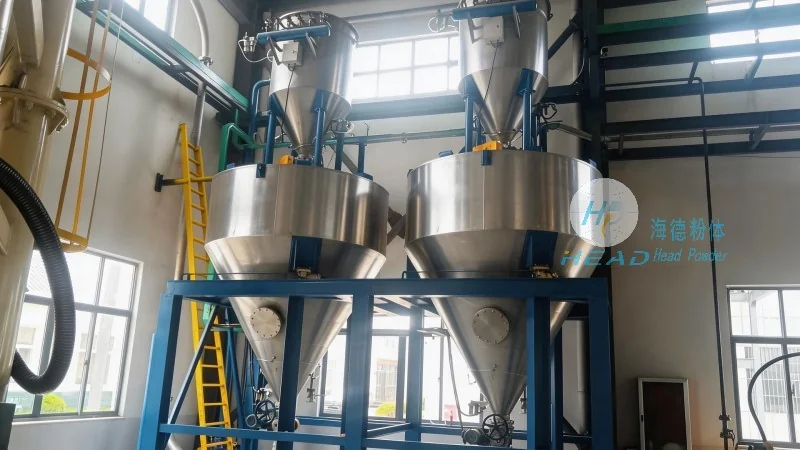
Environmental friendliness is another key characteristic of quartz stone pneumatic conveying. Unlike mechanical systems that may generate dust or require additional dust control measures, pneumatic systems are enclosed, minimizing the release of airborne particles. This not only improves workplace safety but also complies with environmental regulations, making the technology an attractive option for industries focused on sustainability. The enclosed design also helps maintain the quality of the quartz stone, preventing contamination from external sources.
Operational Considerations and System Design
The effectiveness of a quartz stone pneumatic conveying system depends on several operational and design factors. The choice of air flow type, as mentioned earlier, is critical. Dilute phase systems are suitable for short to medium distances and low to medium material loads, while dense phase systems are preferred for longer distances and higher material loads. The system's design also includes components such as feeders, cyclones, and filters that ensure the smooth operation and separation of the quartz particles from the air stream.
Feeding mechanisms, such as rotary valves or star feeders, are used to introduce the quartz stone into the conveying line at a controlled rate. These feeders prevent blockages and ensure a consistent flow of material. Cyclones are employed to separate the quartz particles from the air, allowing the air to be recycled or discharged, while the quartz is collected for further processing. Filters are also essential to remove any fine particles that may escape the cyclone, maintaining air quality and compliance with regulations.
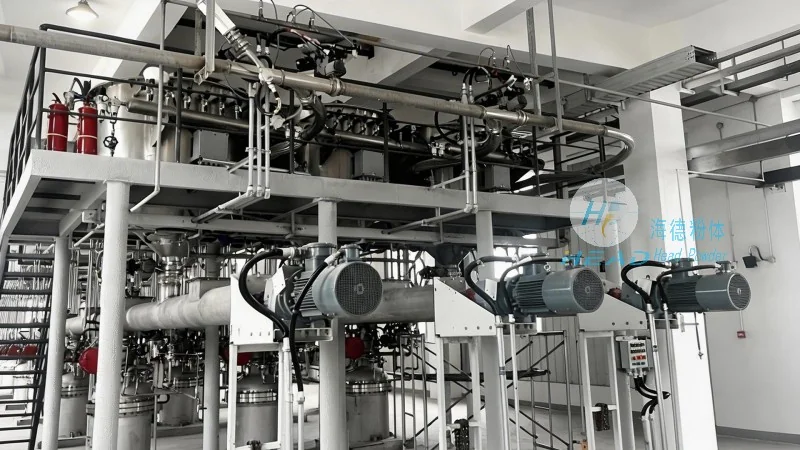
System maintenance is another important aspect to consider. Regular inspection and cleaning of the conveying line, cyclones, and filters are necessary to prevent clogging and ensure optimal performance. The use of abrasion-resistant materials for the pipeline and components is recommended, especially when handling coarse quartz stone, to extend the system's lifespan. Additionally, monitoring the air pressure and flow rates helps in identifying any issues early, allowing for timely adjustments and minimizing downtime.
Applications and Industry Impact
Quartz stone pneumatic conveying systems are widely used in various industries that rely on quartz stone as a raw material. In the construction industry, these systems are used to transport quartz stone for concrete production, tile manufacturing, and other building materials. The manufacturing sector utilizes them in the production of quartz-based products, such as countertops, sanitaryware, and electronic components. The decorative industry also benefits from the efficient handling of quartz stone for interior and exterior design applications.
The adoption of quartz stone pneumatic conveying has positively impacted the efficiency and productivity of these industries. By reducing material handling time and improving throughput, the systems contribute to cost savings and increased output. The technology's ability to handle different particle sizes and maintain material quality has made it a preferred choice over traditional methods. As industries continue to seek more efficient and sustainable material handling solutions, quartz stone pneumatic conveying remains a reliable and effective option.
Conclusion
In summary, quartz stone pneumatic conveying is a sophisticated and efficient method for transporting quartz stone in industrial settings. The working principle, which relies on air flow to move the material through a pipeline, offers several advantages including flexibility, energy efficiency, and environmental friendliness. The key characteristics of these systems, such as their ability to handle diverse particle sizes and low maintenance requirements, make them suitable for various applications. Proper system design and operational considerations are essential to maximize the benefits of quartz stone pneumatic conveying. As the demand for quartz stone continues to grow, the adoption of this technology will likely increase, further solidifying its role in the material handling industry.