

Working Principle and Characteristics of Additive Pneumatic Conveying
Understanding the working principle and characteristics of additive pneumatic conveying is crucial for industries that rely on efficient material handling solutions. This article provides a detailed overview of how additive pneumatic conveying systems operate and the key features that make them effective in various applications.
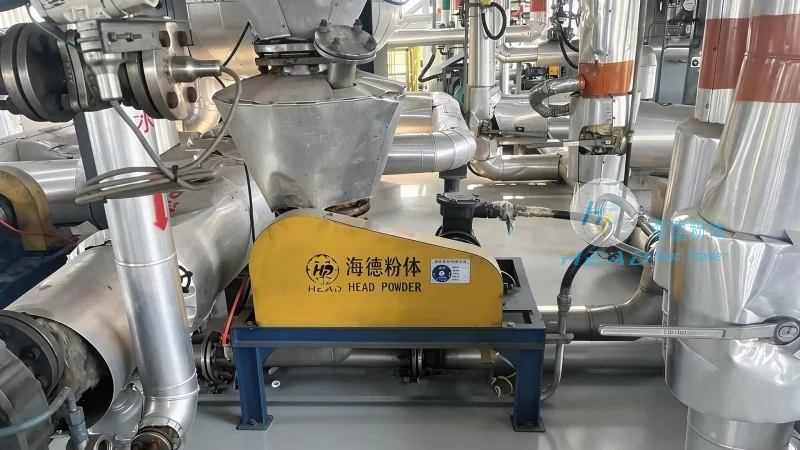
Introduction to Additive Pneumatic Conveying
Additive pneumatic conveying is a method used to transport bulk materials, such as powders and granules, through a pipeline using air or other gases. Unlike traditional mechanical conveying systems, which rely on physical contact and moving parts, pneumatic conveying systems use the force of air to move materials. This approach offers several advantages, including flexibility, low maintenance, and the ability to handle a wide range of materials, including those that are abrasive or sensitive to moisture.
Working Principle of Additive Pneumatic Conveying
The core of an additive pneumatic conveying system is the air flow and the interaction between the material and the air. The process typically involves the following steps:
1. Air Generation and Control: A blower or compressor generates the necessary air pressure and flow rate. The system is designed to maintain a consistent air velocity, which is critical for efficient material transport. The air flow is controlled to ensure that the material is carried along the pipeline without causing excessive wear or degradation.
2. Material Introduction: The additive material is introduced into the system, often through a hopper or feeder. The material is then drawn into the pipeline by the moving air. The introduction point is carefully designed to minimize air loss and ensure a smooth transition of the material into the conveying stream.
3. Pipeline Transport: Once the material is in the pipeline, it is carried by the air flow. The air velocity must be sufficient to overcome the gravitational force and any friction within the pipeline. The system may include various components, such as bends, expansions, and filters, to ensure the material is transported smoothly and without clogging.
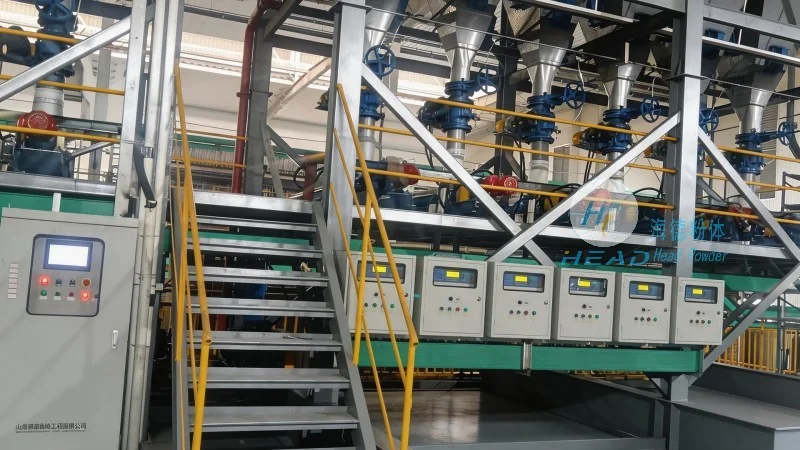
4. Discharge and Separation: At the end of the pipeline, the material is discharged into a receiving container. The air is then separated from the material, often using a cyclone or filter, and returned to the system or released into the atmosphere. This separation step is essential to prevent material loss and maintain system efficiency.
Key Characteristics of Additive Pneumatic Conveying Systems
Several key characteristics define the effectiveness and suitability of additive pneumatic conveying systems for different applications:
1. Flexibility in Layout: Pneumatic conveying systems can be configured in various layouts, including straight-line, loop, and complex network designs. This flexibility allows for adaptation to existing facility layouts and future expansion needs. The system can be easily reconfigured to accommodate changes in material handling requirements.
2. Low Maintenance Requirements: Unlike mechanical systems, which require regular maintenance of moving parts, pneumatic conveying systems have fewer components that wear out. The main components, such as the blower and pipeline, have a longer service life, reducing the overall maintenance costs and downtime.
3. Ability to Handle Diverse Materials: Additive pneumatic conveying systems are suitable for a wide range of materials, including fine powders, granules, and even bulk materials. The system can handle materials that are abrasive, corrosive, or sensitive to moisture, making it a versatile solution for various industries, such as pharmaceuticals, food processing, and chemical manufacturing.
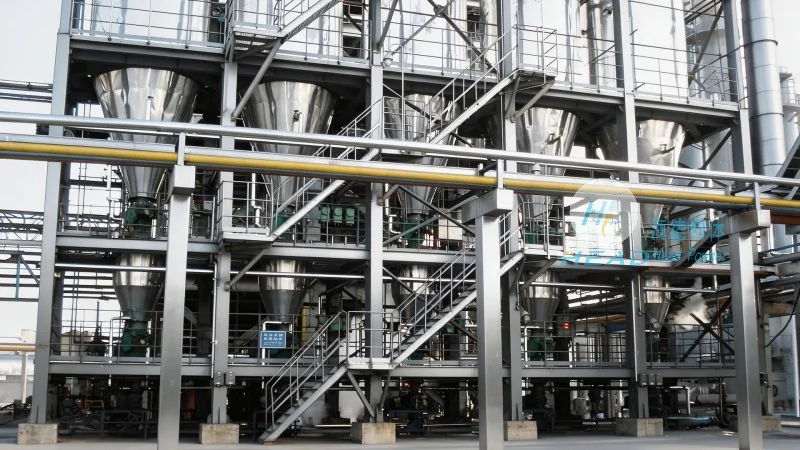
4. Energy Efficiency: Modern pneumatic conveying systems are designed to be energy-efficient. The use of high-efficiency blowers and optimized air flow reduces energy consumption compared to traditional mechanical systems. Additionally, the system can be equipped with energy recovery systems to further improve efficiency.
5. Hygienic and Clean Design: For industries that require strict hygiene standards, such as food and pharmaceuticals, additive pneumatic conveying systems can be designed with clean-in-place (CIP) capabilities. The components are made of materials that are easy to clean and maintain, ensuring that the system meets the highest sanitary requirements.
Applications and Industries
Additive pneumatic conveying systems are widely used in various industries due to their versatility and efficiency. Some common applications include:
1. Pharmaceutical Industry: In pharmaceutical manufacturing, additive pneumatic conveying is used to transport active pharmaceutical ingredients (APIs), excipients, and other powders. The system ensures that the materials are handled in a sterile and controlled environment, minimizing contamination risks.
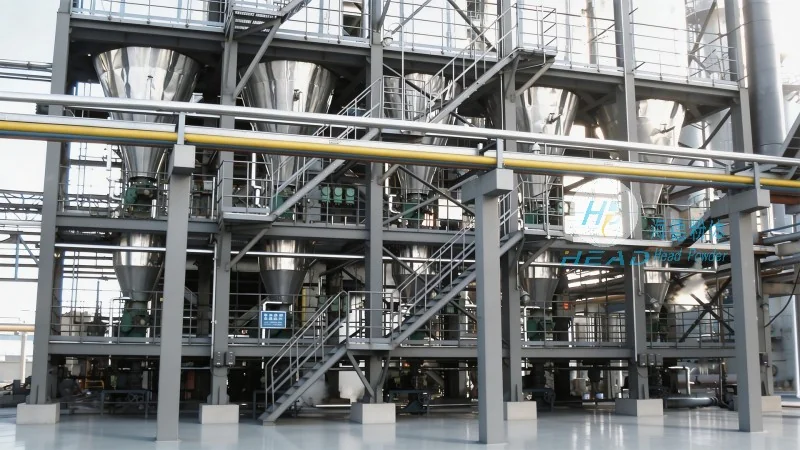
2. Food Processing Industry: The food industry utilizes pneumatic conveying systems to transport ingredients like flour, sugar, and spices. The system maintains the quality and freshness of the materials while ensuring compliance with food safety regulations.
3. Chemical Manufacturing: Chemical plants use additive pneumatic conveying to handle various chemicals, including powders and granules. The system is designed to handle corrosive and hazardous materials while maintaining safety and efficiency.
4. Construction Materials Industry: In the construction sector, pneumatic conveying is used to transport cement, sand, and other bulk materials. The system provides a cost-effective and efficient solution for material handling in construction projects.
Conclusion
Additive pneumatic conveying is a reliable and efficient method for transporting bulk materials in various industries. By understanding the working principle and key characteristics of these systems, businesses can make informed decisions about implementing or upgrading their material handling solutions. The flexibility, low maintenance, and ability to handle diverse materials make additive pneumatic conveying an attractive option for modern industrial applications.
Shandong HeadPowder Engineering Co., Ltd. specializes in providing high-quality additive pneumatic conveying systems tailored to the specific needs of various industries. With a focus on innovation and customer satisfaction, the company delivers solutions that enhance operational efficiency and ensure the safe and effective handling of materials. Based in Shandong, China, HeadPowder Engineering Co., Ltd. serves clients globally, offering expert consultation and support for all material handling requirements.