With more than 10‑year industry experience, Shandong Headpowder delivers full‑service pneumatic‑conveying systems and blowers, undertaking nationwide turn‑key powder‑handling projects.
HeadPowder, a leading provider of material handling solutions, specializes in the application of pneumatic conveying systems for the efficient transportation of sawdust and wood flour. This article explores the critical role that pneumatic conveying plays in optimizing the handling processes for these wood-based materials, highlighting the technical advantages and practical applications within industrial settings.
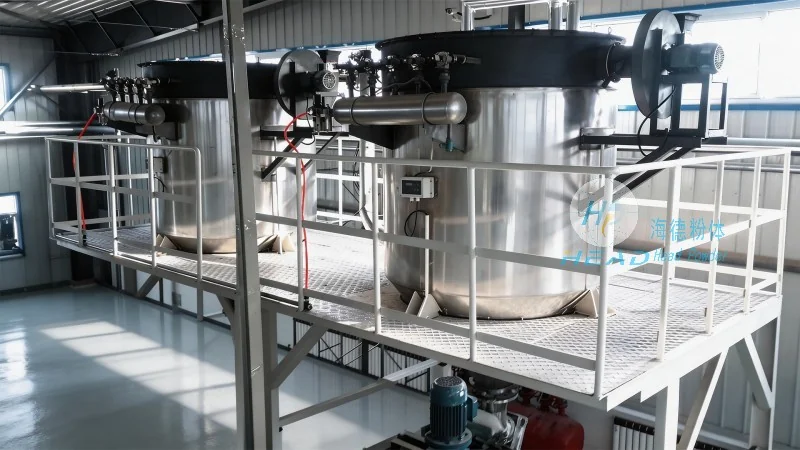
Pneumatic conveying, also known as air conveying, is a method of transporting bulk materials through a pipeline using a stream of air. This technology is particularly effective for handling light, dusty, or abrasive materials like sawdust and wood flour, which are commonly produced in woodworking and biomass processing industries. The system typically consists of a hopper for material storage, a conveyor line, and a receiver for the discharged material, all connected by a network of pipes. By utilizing compressed air or vacuum to move the material, pneumatic conveying offers a flexible and efficient solution that can be adapted to various production scales and operational requirements.
When it comes to transporting sawdust and wood flour, pneumatic conveying systems offer several distinct advantages over traditional methods such as belt conveyors or bucket elevators. Firstly, they provide a dust-free and enclosed environment, which is crucial for maintaining product quality and ensuring workplace safety. The sealed system prevents contamination from external sources and minimizes the risk of dust explosions, a significant concern in wood processing facilities. Secondly, pneumatic conveying allows for a more compact and flexible layout, as the pipeline can be routed around obstacles or through different levels of a facility without the need for complex structural modifications. This flexibility is especially valuable in space-constrained environments where traditional conveyor systems may not be feasible. Thirdly, the technology enables a continuous and controlled flow of material, reducing downtime and improving overall production efficiency. The ability to adjust the air flow rate and pressure allows operators to fine-tune the conveying process to match the specific characteristics of the material, such as moisture content and particle size, ensuring optimal performance.
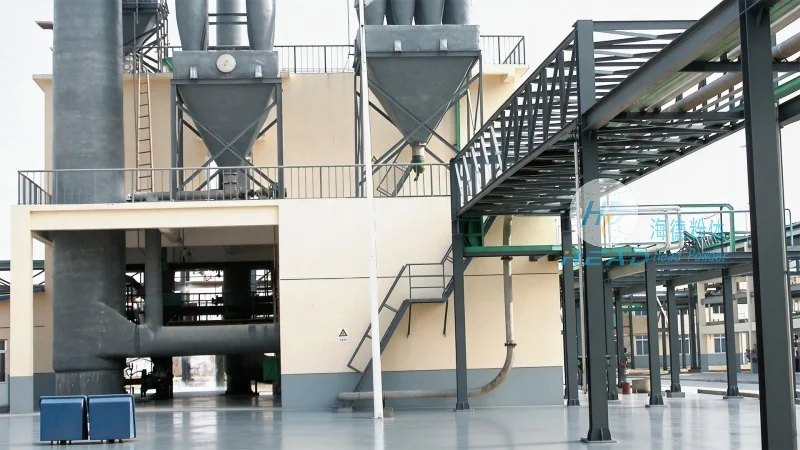
The use of pneumatic conveying in the wood processing and biomass industries is widespread due to its adaptability to diverse material types and processing stages. In sawmills, for example, pneumatic systems are commonly employed to transport sawdust from the cutting and sorting areas to storage silos or processing units. This is particularly important for large-scale operations where the volume of sawdust generated is substantial, and efficient handling is essential to maintain production continuity. Similarly, in wood flour production plants, pneumatic conveying is used to move the fine, powdery material from grinding and classification equipment to packaging or further processing stages. The ability to handle fine particles without clogging or degradation is a key benefit, as wood flour is often used in applications like animal feed, composite materials, and biofuels, where consistent particle size and quality are critical. Additionally, pneumatic conveying can be integrated with other processing equipment, such as drying ovens or pelletizers, to create a seamless material flow from raw sawdust to finished products. This integration enhances the overall efficiency of the production line and reduces the need for manual handling, which can be labor-intensive and prone to errors.
Implementing an effective pneumatic conveying system for sawdust and wood flour requires careful consideration of several technical factors. The first consideration is the selection of the appropriate conveying method, either positive pressure (where air is blown into the system to push the material) or negative pressure (where a vacuum is created to pull the material). Positive pressure systems are generally preferred for long-distance or high-volume conveying, as they offer better control over the material flow and can handle larger particles. Negative pressure systems, on the other hand, are more suitable for short-distance or low-volume applications and are often used in environments where dust containment is paramount. The choice of conveying method depends on the specific operational requirements, including the distance between the material source and destination, the volume of material to be transported, and the need for dust control.
Another critical factor is the design of the pipeline system. The diameter and length of the pipes, as well as the number of bends and fittings, all impact the system's efficiency and performance. Larger diameter pipes are generally more efficient for transporting larger volumes of material, while smaller diameters are suitable for shorter distances or finer powders. The use of smooth, corrosion-resistant materials like stainless steel or PVC is essential to prevent material buildup and ensure long-term system reliability. Additionally, the installation of filters and cyclones at the receiving end is crucial for maintaining the quality of the conveyed material and protecting downstream equipment from dust accumulation. These components help to separate any fine particles from the air stream, ensuring that the material is delivered in a clean and consistent condition.
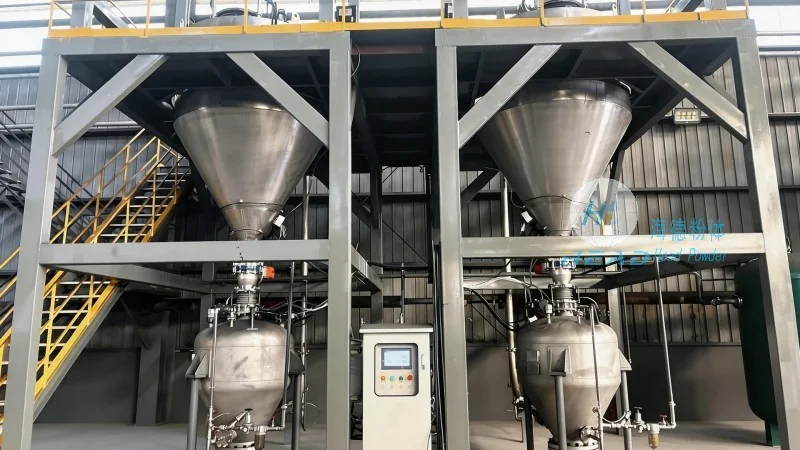
Regular maintenance is essential to ensure the long-term performance and reliability of pneumatic conveying systems. This includes routine checks of air compressors, filters, and pipeline integrity, as well as cleaning of the system to prevent material buildup and clogging. Proper maintenance not only extends the lifespan of the equipment but also minimizes downtime and reduces the risk of operational issues. Additionally, monitoring the system's performance parameters, such as air flow rate and pressure, can help identify potential problems early on, allowing for timely adjustments or repairs. By maintaining optimal operational conditions, companies can ensure that their pneumatic conveying systems continue to deliver efficient and reliable performance, supporting the overall productivity of their wood processing operations.
In conclusion, pneumatic conveying plays a vital role in the efficient and safe transportation of sawdust and wood flour in industrial settings. The technology offers numerous advantages, including dust-free operation, flexible layout, and continuous material flow, which are critical for maintaining product quality and operational efficiency. As a leading provider of material handling solutions, HeadPowder, based in Shandong, China, specializes in designing and implementing customized pneumatic conveying systems tailored to the specific needs of wood processing and biomass industries. By leveraging the technical expertise and experience of HeadPowder, companies can optimize their material handling processes, reduce operational costs, and enhance overall productivity. The application of pneumatic conveying in sawdust and wood flour transportation not only addresses the challenges of handling light, dusty materials but also contributes to a more sustainable and efficient wood processing industry.

 Shandong Headpowder Engineering Co., Ltd.
 156-6277-7102(Manager Zhang)
  0531-83386006
  Zhangqiu District, Jinan City, Shandong Province, China
telephone
WeChatconsult
top