

What is a Clay Sand Powder Pneumatic Conveying Machine? What Are Its Design Principles?
Clay sand powder pneumatic conveying machines are specialized equipment used in industrial settings to transport dry powders, such as clay sand, through a pipeline using air pressure. These machines are essential for applications where traditional mechanical conveyors may not be suitable due to the nature of the material or the need for a more flexible and efficient transport system. The HeadPowder brand, from Shandong HeadPowder Engineering Co., Ltd. based in China, offers advanced solutions in this field, combining robust engineering with innovative design principles to meet diverse industrial needs.
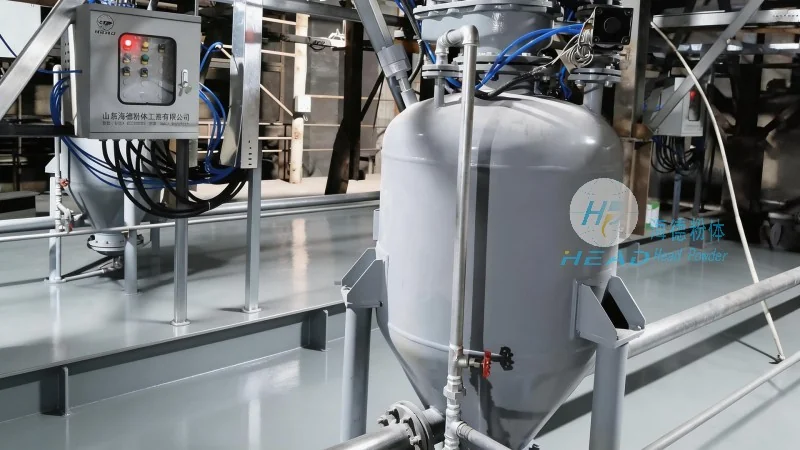
Key Components and Functionality
The core components of a clay sand powder pneumatic conveying machine typically include a hopper for material storage, a blower or compressor to generate the air flow, a pipeline system to guide the material, and a receiver or discharge unit. The hopper is designed to hold the clay sand powder, ensuring a consistent feed rate. The blower provides the necessary pressure or vacuum to move the material through the pipeline. The pipeline is often made of materials like stainless steel or plastic to prevent material buildup and corrosion. The receiver collects the transported material and can be equipped with a dust collection system to maintain air quality and prevent environmental contamination.
Design Principles and Operational Mechanisms
The design principles of a clay sand powder pneumatic conveying machine focus on optimizing material flow, minimizing pressure drop, and ensuring efficient air utilization. One common design is the positive pressure system, where air is blown into the pipeline, pushing the material forward. This system is suitable for long-distance or high-capacity transport. Another design is the negative pressure (or vacuum) system, where air is drawn out of the pipeline, pulling the material. This is often used for shorter distances or when the material needs to be transported from a lower to a higher elevation. The choice between these systems depends on factors such as the material's properties, the distance to be covered, and the required flow rate. The HeadPowder engineers consider these factors to design machines that are both effective and energy-efficient.
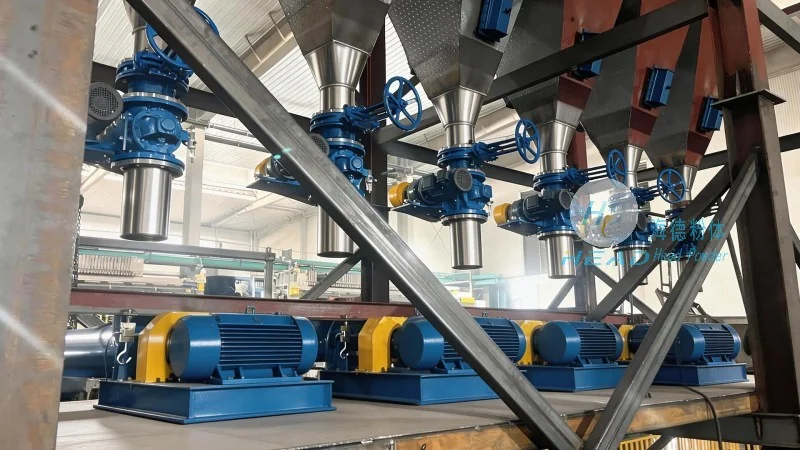
Advantages of Using Pneumatic Conveying for Clay Sand
Compared to traditional conveyor belts or bucket elevators, pneumatic conveying offers several advantages for transporting clay sand. These include the ability to handle fine or abrasive materials without causing wear and tear, reduced risk of material contamination, and the flexibility to route the pipeline around obstacles. Pneumatic systems also minimize the need for manual handling, improving workplace safety and reducing labor costs. Additionally, they can be integrated with other industrial processes, such as mixing or drying, to create a more streamlined production line. The HeadPowder company emphasizes these benefits in their product design, ensuring that their machines provide reliable and efficient performance for their clients.

Application Examples and Industrial Use Cases
Clay sand powder pneumatic conveying machines are widely used in various industries, including foundries, ceramics, and construction materials. In foundries, they are used to transport sand and clay mixtures for mold making, ensuring consistent material composition and reducing the risk of defects in the final products. In the ceramics industry, these machines help transport raw materials like clay and feldspar to production lines, where they are processed into tiles or pottery. In construction, they can be used to transport sand and other aggregates for concrete mixing or road construction. The HeadPowder company has successfully implemented these machines in numerous projects across China, demonstrating their adaptability and reliability in different industrial environments.
Maintenance and Operational Considerations
Proper maintenance is crucial for the long-term performance and efficiency of a clay sand powder pneumatic conveying machine. Regular cleaning of the hopper and pipeline is necessary to prevent material buildup and blockages. The blower or compressor should be checked for proper operation and maintenance to ensure consistent air pressure. Filters and dust collection systems should be regularly inspected and cleaned to maintain air quality and prevent system failure. The HeadPowder company provides comprehensive maintenance services and technical support to their clients, ensuring that their machines operate at optimal levels and minimize downtime. By following the recommended maintenance procedures, users can extend the lifespan of their equipment and reduce operational costs.