With more than 10‑year industry experience, Shandong Headpowder delivers full‑service pneumatic‑conveying systems and blowers, undertaking nationwide turn‑key powder‑handling projects.
Understanding the principles and application scenarios of polypropylene granule material conveying is crucial for optimizing industrial processes in various sectors. This article delves into the fundamental mechanisms behind the efficient transport of polypropylene granules, alongside the distinct characteristics of different operational environments where such conveying systems are deployed.
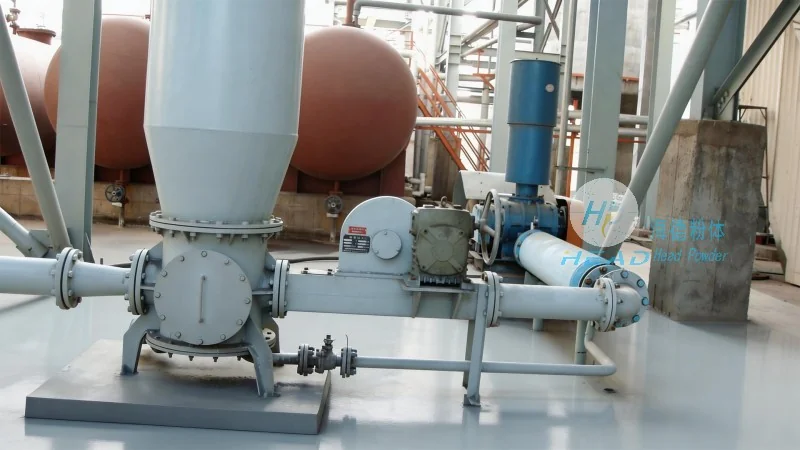
Polypropylene (PP) granules are widely used in manufacturing due to their lightweight, durable, and versatile properties. The primary goal of conveying these granules is to move them from storage to processing units, such as extruders or injection molding machines, with minimal loss and maximum efficiency. The conveying process typically involves several key principles:
First, the design of the conveying system must accommodate the physical characteristics of PP granules. These granules are often spherical or near-spherical, with a relatively uniform size and density. This uniformity allows for consistent flow, but the material can also be prone to static electricity, which may affect handling and feeding. Therefore, anti-static measures, such as grounding or using conductive materials, are often integrated into the system to prevent material buildup and ensure smooth operation.
Second, the conveying method must consider the mechanical properties of PP. PP is a thermoplastic, meaning it softens when heated and becomes rigid when cooled. During conveying, the material may be exposed to heat from the conveying equipment or ambient conditions, which can affect its flow characteristics. For instance, in pneumatic conveying systems, the temperature of the air stream can influence the granules' velocity and pressure drop. Proper temperature control is essential to maintain the granules' integrity and prevent degradation.
Third, the system must address the potential for material segregation. PP granules, especially when mixed with other materials or additives, can separate based on density or size during transport. This segregation can lead to inconsistent material quality at the processing stage. To mitigate this, conveying systems often incorporate features like vibration or agitation to keep the granules mixed uniformly. Some designs also use multiple stages of conveying, with intermediate storage and mixing to ensure homogeneity.
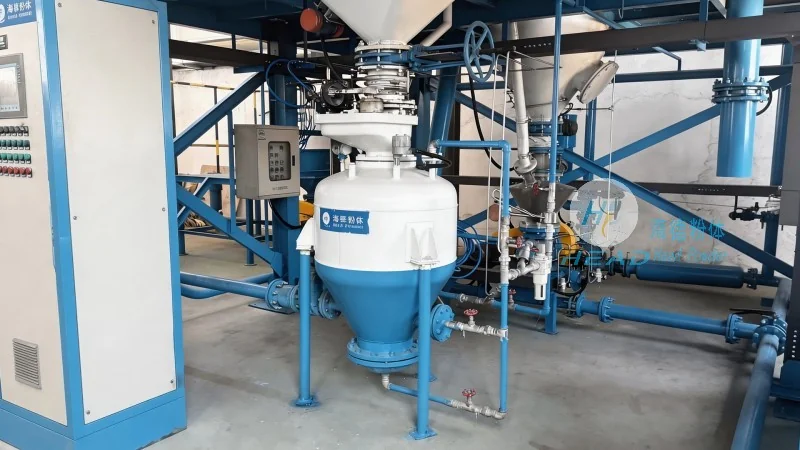
Fourth, energy efficiency is a critical principle in modern conveying systems. As industries strive for sustainability, minimizing energy consumption while maintaining throughput is a key objective. This involves optimizing the design of the conveyor components, such as the type of air or mechanical drive, and the layout of the system to reduce resistance and energy loss. For example, using variable frequency drives (VFDs) to adjust the speed of the conveyor based on demand can significantly lower energy usage compared to constant-speed systems.
The application scenarios for polypropylene granule conveying systems vary widely, depending on the industry and the specific requirements of the production line. Each scenario presents unique challenges and operational characteristics that influence the choice of conveying technology.
One common application is in the plastic manufacturing industry, where PP granules are transported from bulk storage silos to processing units. In this scenario, the system must handle large volumes of material, often several tons per hour, and ensure a continuous supply to the production line. The operational environment is typically a factory floor with limited space, requiring compact and efficient conveying solutions. The system may include a combination of screw conveyors, pneumatic conveyors, or bucket elevators, depending on the distance and layout of the facility. For instance, a screw conveyor might be used for short horizontal or vertical transport, while a pneumatic conveyor could handle longer distances or elevated transport.
Another scenario is in the recycling industry, where PP granules are collected from waste streams and transported to reprocessing facilities. Here, the material may be contaminated with other plastics or debris, requiring additional cleaning or sorting steps before conveying. The system must be robust enough to handle the variability of the input material and maintain the purity of the PP granules. This often involves pre-processing equipment, such as screens or magnets, integrated into the conveying line to remove contaminants. The operational environment may also be more challenging, with higher dust levels and the need for dust control measures to ensure worker safety and compliance with environmental regulations.
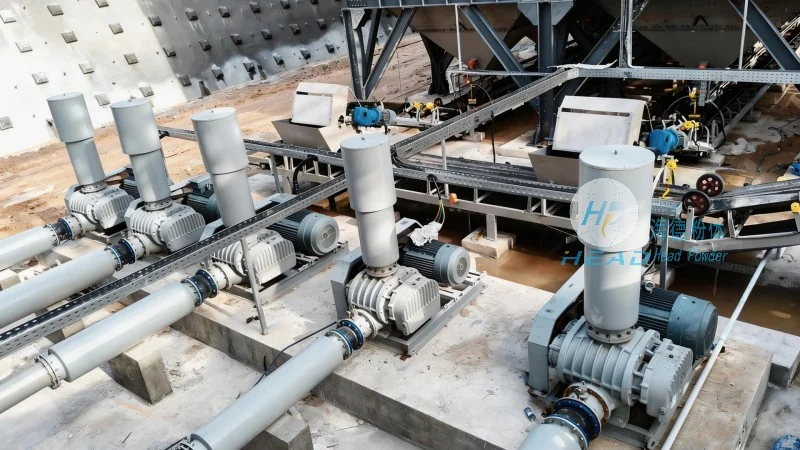
A third scenario is in the packaging industry, where PP granules are used to produce films, bags, or other packaging materials. In this case, the conveying system must deliver the granules to extrusion lines with high precision and consistency. The operational environment may involve high-speed production lines, requiring the conveying system to match the speed of the processing equipment. This often means using high-capacity conveyors with adjustable speed controls to maintain a steady flow of material. The system may also need to integrate with other automation components, such as sensors or control systems, to monitor the flow rate and adjust the operation in real-time.
Each of these scenarios highlights the importance of tailoring the conveying system to the specific operational requirements. The choice of technology, such as mechanical versus pneumatic conveying, depends on factors like the distance, volume, and environmental conditions. For example, pneumatic conveying is suitable for long-distance or elevated transport, while screw conveyors are ideal for short horizontal or vertical transport due to their simplicity and low maintenance. The operational characteristics, such as the need for anti-static measures or dust control, also play a critical role in determining the system's design and performance.
Shandong HeadPowder Engineering Co., Ltd., commonly known as HeadPowder, is a leading provider of specialized material handling solutions for the polypropylene and other plastic industries. With a focus on innovation and customer-centric design, HeadPowder offers a range of conveying systems tailored to the unique needs of each application. The company is headquartered in Shandong, China, and serves clients globally with its expertise in material handling technology.
HeadPowder's team of engineers and technicians works closely with clients to understand their specific requirements, from initial design and installation to ongoing maintenance and support. The company's products are designed to meet international standards for safety, efficiency, and reliability, ensuring that clients can operate their production lines with confidence. By leveraging advanced materials and engineering principles, HeadPowder delivers solutions that optimize material flow, reduce downtime, and enhance overall productivity.

 Shandong Headpowder Engineering Co., Ltd.
 156-6277-7102(Manager Zhang)
  0531-83386006
  Zhangqiu District, Jinan City, Shandong Province, China
telephone
WeChatconsult
top