With more than 10‑year industry experience, Shandong Headpowder delivers full‑service pneumatic‑conveying systems and blowers, undertaking nationwide turn‑key powder‑handling projects.
The article is titled "Principle and Working Scene Characteristics of Silica Sand Material Handling Systems". The company is HeadPowder, formally known as Shandong HeadPowder Engineering Co., Ltd., located in Shandong, China. This article aims to provide a detailed overview of the principles and operational characteristics of systems designed for transporting silica sand, a critical material in various industrial applications.
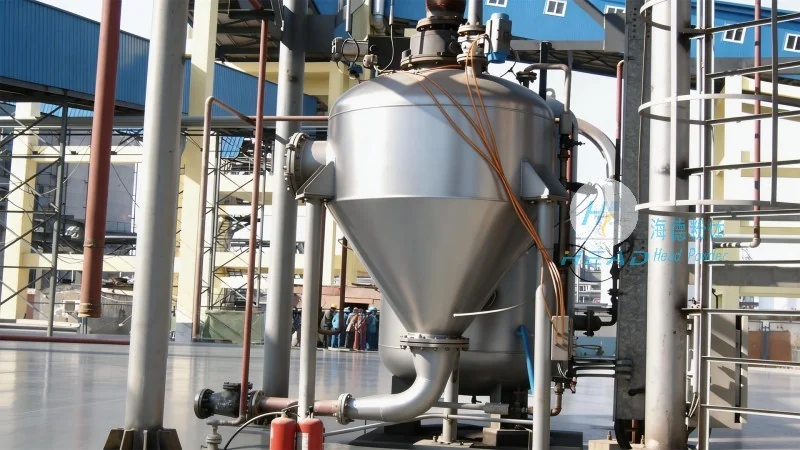
Silica sand, characterized by its fine particles and relatively high density, requires specialized handling systems to ensure efficient and safe transport. The core principle of these systems is to move the material from its source to the processing or storage location with minimal loss, contamination, and energy consumption. Common methods include belt conveyors, pneumatic conveying systems, and bucket elevators, each chosen based on the specific properties of the silica sand and the operational requirements. For instance, belt conveyors are ideal for transporting bulk quantities of sand over long distances due to their high capacity and durability. Pneumatic conveying systems, on the other hand, are preferred for fine or dusty sand as they can transport the material through pipes without physical contact, reducing the risk of contamination and wear.
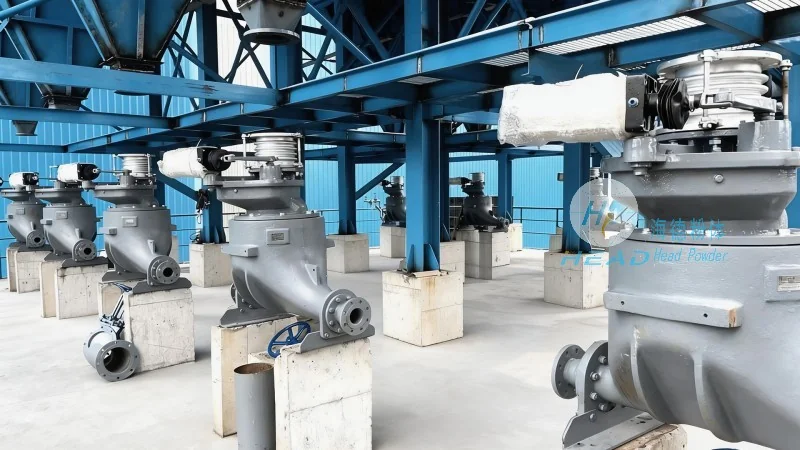
The working scene characteristics of silica sand material handling systems are influenced by several factors, including the scale of operation, environmental conditions, and the end-use of the sand. In mining operations, large-scale systems are often employed to transport vast quantities of sand from open-pit mines to processing facilities. These systems must be robust enough to handle heavy loads and harsh outdoor conditions, such as extreme temperatures or dust. The design of these systems typically includes heavy-duty components and weather-resistant materials to withstand the challenging environment. In industrial manufacturing, smaller-scale systems may be used in factories where silica sand is used as an ingredient in products like glass, ceramics, or refractory materials. Here, the focus is on precision and cleanliness, as the sand must be free from contaminants to meet quality standards. The systems in these scenarios often incorporate dust control measures and automated controls to maintain consistent performance and ensure the sand remains in a clean state throughout the transport process.
A typical silica sand material handling system consists of several key components that work in tandem to achieve efficient operation. The primary components include:
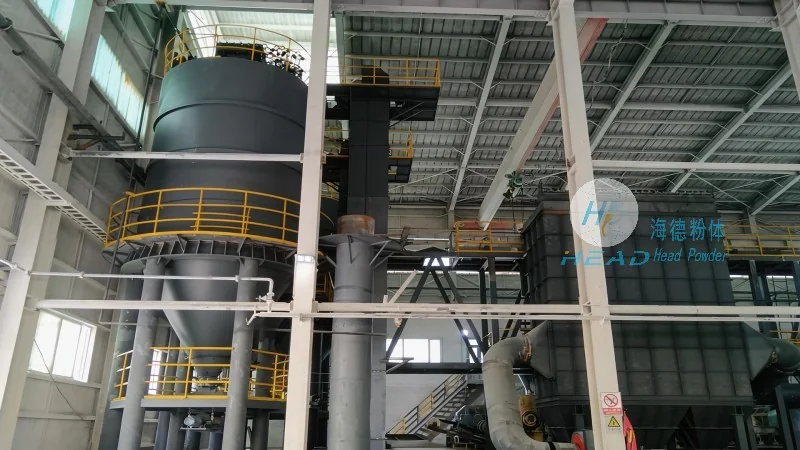
HeadPowder Engineering Co., Ltd., with its headquarters in Shandong, China, specializes in designing and manufacturing customized silica sand material handling systems tailored to the specific needs of clients. The company's engineers work closely with customers to understand their operational requirements, such as the volume of sand to be transported, the distance of the transport, and the environmental conditions of the site. By leveraging years of experience in the industry, HeadPowder provides solutions that are not only efficient but also cost-effective and reliable. The company's systems are designed to meet international standards and are equipped with features that enhance safety and reduce downtime. Whether for large-scale mining operations or small-scale industrial applications, HeadPowder's systems are built to deliver consistent performance and meet the highest quality standards, ensuring that clients receive a product that is perfectly suited to their unique needs.

 Shandong Headpowder Engineering Co., Ltd.
 156-6277-7102(Manager Zhang)
  0531-83386006
  Zhangqiu District, Jinan City, Shandong Province, China
telephone
WeChatconsult
top