With more than 10‑year industry experience, Shandong Headpowder delivers full‑service pneumatic‑conveying systems and blowers, undertaking nationwide turn‑key powder‑handling projects.
HeadPowder, formally known as Shandong HeadPowder Engineering Co., Ltd., is a professional enterprise based in Shandong, China. The company specializes in providing efficient and reliable solutions for material handling, particularly focusing on the transportation of sodium hydroxide powder. This article delves into the principles underlying sodium hydroxide powder material handling and highlights the key characteristics of its working scenarios.
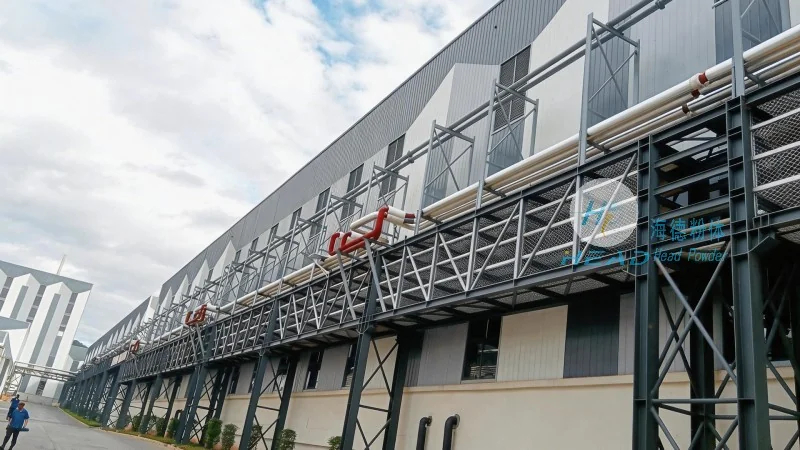
Sodium hydroxide powder, commonly known as caustic soda, is a highly caustic chemical that requires specialized handling methods to ensure safety and efficiency. The material handling process for sodium hydroxide powder involves several critical steps, each designed to maintain the integrity of the material and protect personnel and equipment. The primary principle is to minimize dust generation and control the flow of the powder to prevent clogging and ensure smooth operation. Advanced equipment, such as pneumatic conveyors and screw conveyors, are typically employed to transport the powder from storage to processing areas. These systems utilize air pressure or mechanical force to move the powder, reducing the risk of exposure to the chemical and enhancing operational safety. Additionally, proper sealing and ventilation are essential to prevent the release of dust and fumes, which can be harmful to both the environment and human health. The design of the handling system must also consider the hygroscopic nature of sodium hydroxide, as the powder can absorb moisture from the air, leading to clumping and reduced flowability. To address this, moisture control measures, such as drying the powder before transport or using sealed containers, are often implemented. The overall goal is to create a safe, efficient, and cost-effective system that meets the demands of industrial applications.
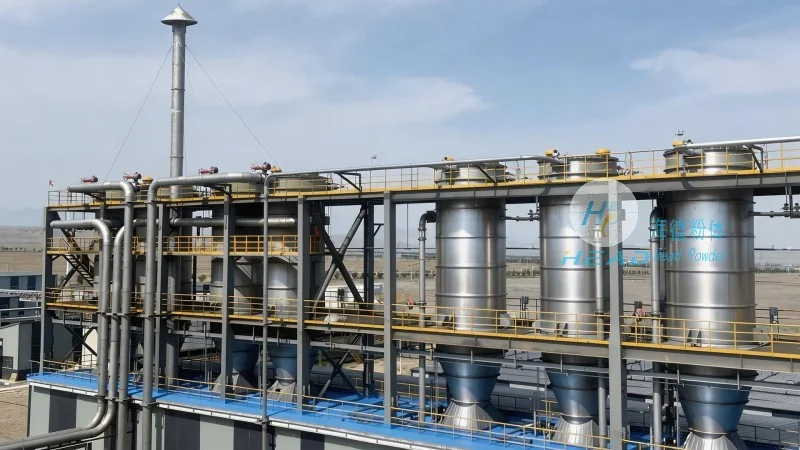
The working scenes for sodium hydroxide powder material handling vary depending on the specific industrial application, but they generally share several common characteristics. First, the environment is typically industrial, with heavy machinery and large storage facilities. The handling systems are often integrated into larger production lines, requiring seamless coordination with other processes. For example, in chemical manufacturing plants, the sodium hydroxide powder may be used as a raw material for producing other chemicals, such as soaps or detergents. In such cases, the handling system must be able to deliver the powder to reactors or mixers at the required rate and consistency. Second, the working environment is often characterized by high temperatures and humidity, which can affect the properties of the powder. The equipment used must be durable and resistant to corrosion, as sodium hydroxide is a strong alkali that can damage metal surfaces over time. Stainless steel and other corrosion-resistant materials are commonly used in the construction of conveyors, hoppers, and storage tanks. Third, safety is a paramount concern in sodium hydroxide powder handling. The chemical is toxic and can cause severe burns if it comes into contact with skin or eyes. Therefore, the handling system must include appropriate safety measures, such as closed systems, personal protective equipment (PPE) requirements, and emergency response protocols. The working scenes also involve regular maintenance and monitoring to ensure the equipment operates efficiently and safely. This includes cleaning the system to prevent buildup of the powder, checking for leaks or blockages, and performing routine inspections to identify potential issues before they become major problems. The characteristics of the working scenes highlight the importance of a well-designed and well-maintained material handling system for sodium hydroxide powder, which is crucial for the success of industrial operations.
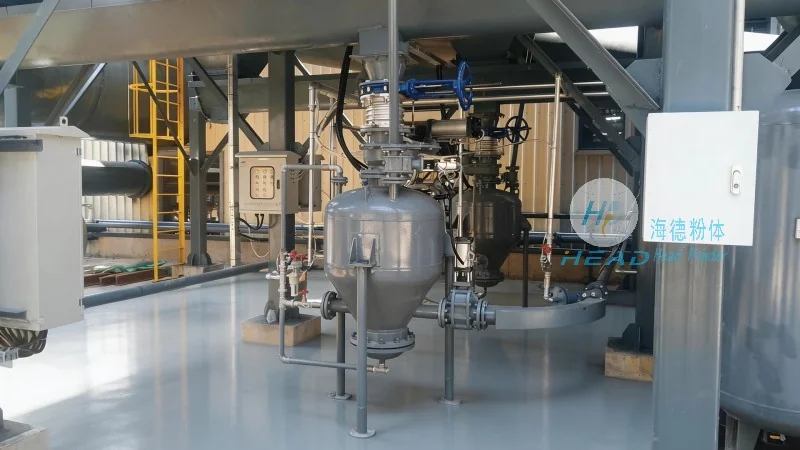
Efficiency and reliability are critical factors in the material handling of sodium hydroxide powder. The system must be able to handle the material at a consistent rate without interruptions, which is essential for maintaining production schedules and minimizing downtime. The use of advanced control systems, such as variable frequency drives (VFDs) and sensors, allows for precise control of the conveyor speed and material flow, ensuring that the powder is delivered at the exact rate required by the process. This not only improves efficiency but also reduces waste and lowers operating costs. Additionally, the reliability of the equipment is enhanced by regular maintenance and the use of high-quality components. HeadPowder's expertise in designing and manufacturing material handling systems ensures that their solutions are built to withstand the harsh conditions associated with sodium hydroxide powder handling, providing long-term performance and minimal maintenance requirements. The combination of efficiency and reliability makes their systems ideal for industrial applications where consistent and safe material transport is essential.

 Shandong Headpowder Engineering Co., Ltd.
 156-6277-7102(Manager Zhang)
  0531-83386006
  Zhangqiu District, Jinan City, Shandong Province, China
telephone
WeChatconsult
top