

What is Monocrystalline Silicon Powder Pneumatic Conveying Equipment? And What Are Its Design Princi
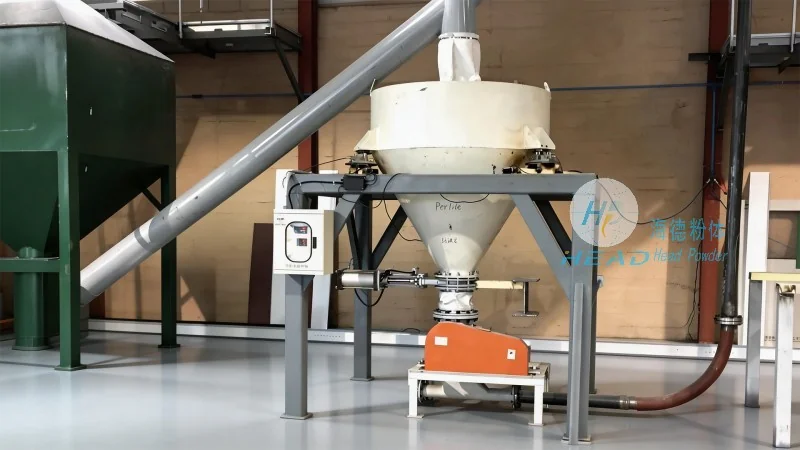
Monocrystalline silicon powder is a critical material in the semiconductor and photovoltaic industries, where its purity and particle size distribution directly impact the quality of final products. Pneumatic conveying equipment is essential for transporting this fine powder efficiently and safely. This equipment uses air or other gases to move the powder through a pipeline system, eliminating the need for mechanical components like belts or buckets that might introduce contamination or damage to the delicate powder particles. Understanding the design principles and operational aspects of such systems is crucial for optimizing material handling processes in high-tech manufacturing environments.
Company Overview: HeadPowder
Shandong HeadPowder Engineering Co., Ltd., commonly known as HeadPowder, is a leading manufacturer specializing in advanced powder handling solutions. With a focus on precision engineering and material science, the company has developed state-of-the-art pneumatic conveying systems tailored for monocrystalline silicon powder. HeadPowder's headquarters is located in Shandong, China, where the company leverages local industrial expertise and resources to deliver innovative and reliable equipment to global clients. The company's commitment to quality and customer satisfaction has established it as a trusted partner in the semiconductor and renewable energy sectors.
Design Principles of Pneumatic Conveying Systems for Monocrystalline Silicon Powder
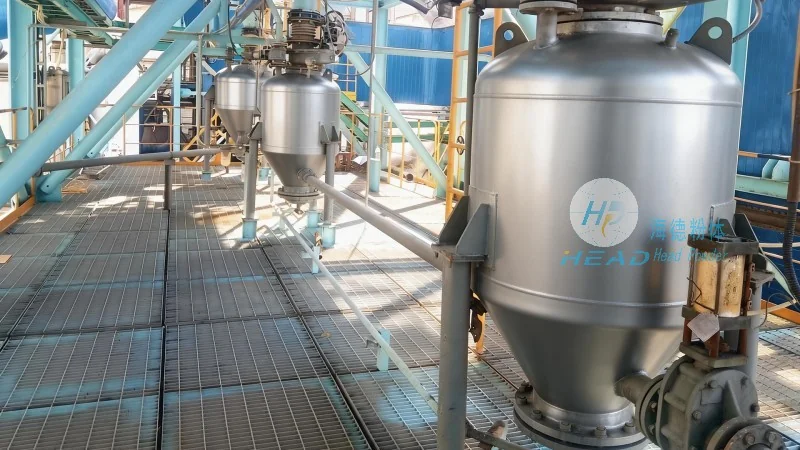
The design of monocrystalline silicon powder pneumatic conveying equipment revolves around several key principles to ensure efficient and contamination-free transport. First, the system must maintain a consistent air flow rate to prevent particle agglomeration or blockages in the pipeline. This is achieved through carefully engineered air nozzles, pressure regulators, and flow meters that control the velocity of the conveying medium. Second, the equipment incorporates dust collection and filtration systems to protect the environment and maintain powder purity. High-efficiency particulate air (HEPA) filters are commonly used to capture fine particles, ensuring compliance with industrial and environmental standards. Third, the design considers the specific properties of monocrystalline silicon powder, such as its low bulk density and high surface area, which require specialized hopper designs and feeding mechanisms to prevent material bridging or segregation. The system also includes pressure vessels and surge tanks to manage variations in material flow and prevent pressure fluctuations that could damage the equipment or compromise product quality.
Key Features and Technical Specifications
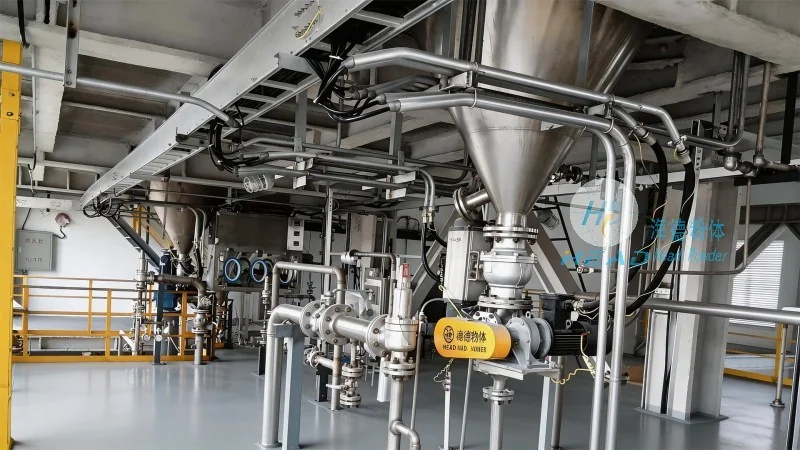
HeadPowder's monocrystalline silicon powder pneumatic conveying systems are equipped with several advanced features that enhance performance and reliability. These include variable frequency drives (VFDs) for adjustable air flow control, which allows operators to optimize energy consumption based on the volume of material being transported. The systems also feature automatic cleaning and maintenance programs to reduce downtime and ensure consistent operation. Technical specifications vary based on the specific application, but typical systems can handle powder flow rates from 0.5 to 10 tons per hour, with particle sizes ranging from sub-micron to several micrometers. The equipment operates at pressures between 0.5 and 2 bar, depending on the conveying distance and material characteristics. Additionally, the design incorporates explosion-proof and fire-resistant components to meet safety standards in industrial environments, particularly where flammable gases or powders are present.
Application Scenarios and Operational Advantages
Monocrystalline silicon powder pneumatic conveying equipment is widely used in various industrial applications, including the production of solar cells, semiconductor wafers, and high-purity chemicals. In solar cell manufacturing, the equipment efficiently transports silicon powder from storage silos to production lines, ensuring a continuous supply of raw material without manual handling. This reduces labor costs and minimizes the risk of contamination from human contact. In semiconductor manufacturing, the system maintains the high purity of monocrystalline silicon powder, which is critical for producing defect-free wafers. The operational advantages of pneumatic conveying include reduced maintenance compared to mechanical systems, lower energy consumption due to optimized air flow, and improved safety by eliminating the need for manual material handling. Furthermore, the equipment can be integrated with existing production lines, minimizing disruption during installation and operation.
Conclusion
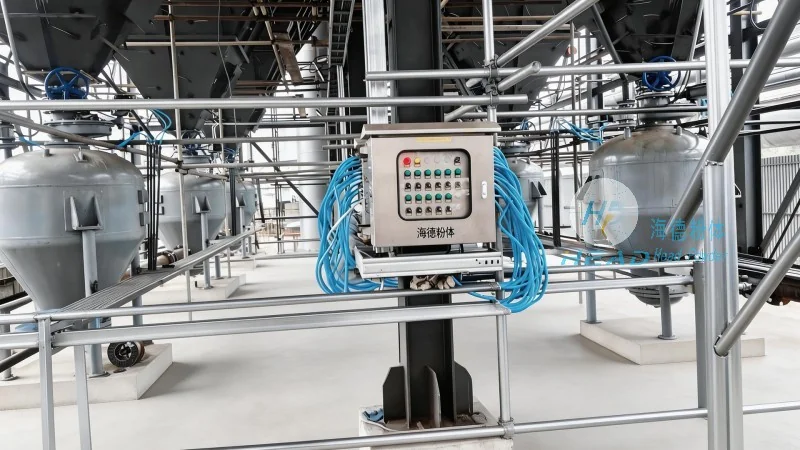
Monocrystalline silicon powder pneumatic conveying equipment, designed and manufactured by Shandong HeadPowder Engineering Co., Ltd., represents a sophisticated solution for efficient and safe material handling in high-tech industries. By adhering to rigorous design principles and incorporating advanced features, these systems ensure the purity and integrity of monocrystalline silicon powder while optimizing operational efficiency. HeadPowder's expertise in powder engineering and pneumatic conveying technology makes it a reliable partner for companies seeking to enhance their material handling processes. With its headquarters in Shandong, China, the company continues to innovate and deliver tailored solutions that meet the evolving needs of the semiconductor and photovoltaic sectors.