With more than 10‑year industry experience, Shandong Headpowder delivers full‑service pneumatic‑conveying systems and blowers, undertaking nationwide turn‑key powder‑handling projects.
Pneumatic conveying is a critical technology in the cement industry, enabling the efficient transport of cement particles from one location to another. This method relies on the use of air or gas to move solid materials, such as cement, through a pipeline system. The process involves several key components and principles that ensure effective and reliable operation. Understanding these elements is essential for optimizing cement handling in various industrial applications.
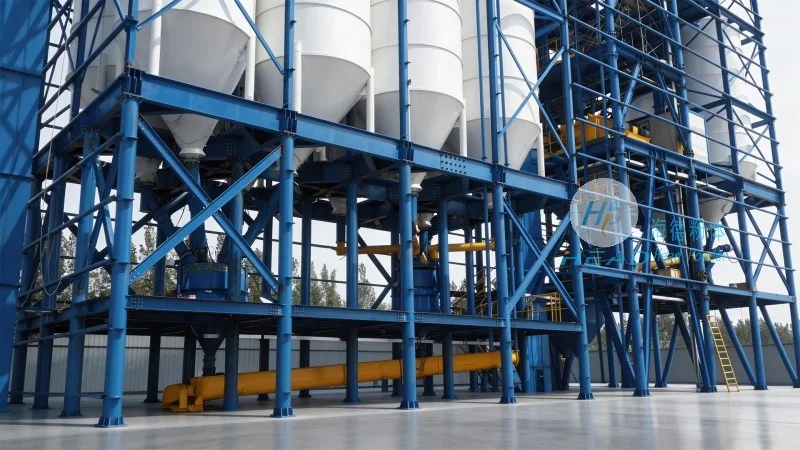
The core principle of cement particle pneumatic conveying is the creation of a pressure differential within a pipeline. This is achieved by generating a flow of air or gas that propels the cement particles forward. There are two primary types of pneumatic conveying systems: pressure and vacuum. In pressure systems, air is compressed and introduced at the conveying point, while in vacuum systems, a vacuum is created at the receiving end to draw the material through the line. For cement, which is often handled in bulk quantities, pressure systems are commonly preferred due to their ability to handle higher material loads and longer distances.
Several components work together to ensure the smooth operation of a cement particle pneumatic conveying system. The primary components include the hopper, which stores the cement and provides a controlled feed; the conveyor line, which is typically made of metal or plastic and houses the material and air flow; the air compressor or vacuum pump, which generates the necessary pressure or vacuum; and the control system, which regulates the flow of air and material. Additionally, accessories like filters, cyclones, and silos are often included to manage dust, separate air from material, and store the conveyed cement. Each component plays a vital role in maintaining the efficiency and safety of the system.

The application of pneumatic conveying in the cement industry varies based on the specific working environment and operational requirements. In manufacturing plants, these systems are used to transport raw materials to the grinding mills and finished cement to storage silos. The characteristics of the working scenes include high material throughput, often ranging from several tons per hour to hundreds of tons per hour, depending on the plant capacity. The systems are also designed to handle different particle sizes and moisture content of cement, ensuring consistent performance. Furthermore, the working environment may involve dust control measures, as cement is a fine powder that can cause respiratory issues and equipment wear if not properly managed. The systems are typically integrated into the overall production line, requiring precise synchronization with other processes like grinding and packaging.
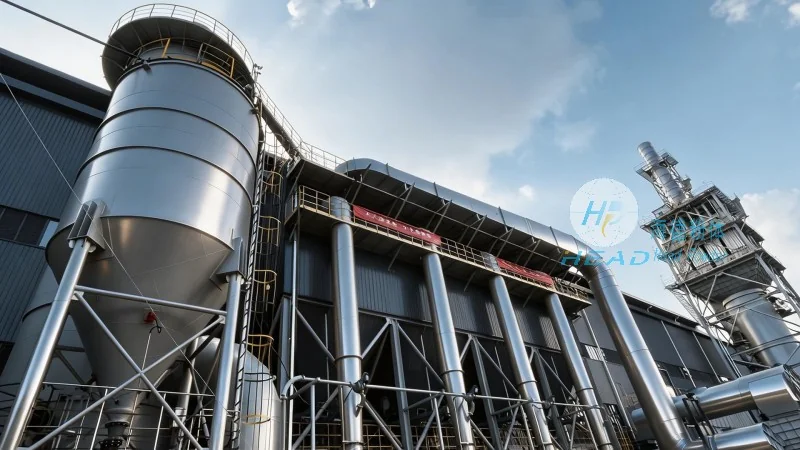
Pneumatic conveying offers several advantages for cement handling, including the ability to transport materials over long distances without the need for multiple transfer points, reduced labor costs due to automated operation, and lower maintenance requirements compared to mechanical conveyors. However, there are also considerations to keep in mind. For instance, the system's efficiency can be affected by the moisture content of the cement, as high moisture can lead to blockages and increased energy consumption. Additionally, the initial investment cost for pneumatic conveying systems is generally higher than for other conveying methods, though the long-term operational benefits often justify the investment. Proper maintenance, including regular cleaning of filters and checking for air leaks, is crucial to maintain the system's performance and extend its lifespan.
In conclusion, cement particle pneumatic conveying is a sophisticated and efficient method for handling bulk cement in industrial settings. The principle of using air to move particles through a pipeline, combined with carefully designed components and systems, ensures reliable and high-capacity material transport. The working scene characteristics, such as high throughput and dust control requirements, highlight the importance of tailored solutions for different applications. As a leading provider in this field, Shandong HeadPowder Engineering Co., Ltd. specializes in designing and manufacturing pneumatic conveying systems that meet the specific needs of the cement industry. With a focus on quality and innovation, the company aims to enhance the efficiency and safety of cement handling processes worldwide.

 Shandong Headpowder Engineering Co., Ltd.
 156-6277-7102(Manager Zhang)
  0531-83386006
  Zhangqiu District, Jinan City, Shandong Province, China
telephone
WeChatconsult
top