

What is a malt powder pneumatic conveying equipment? What are its design principles?
Malt powder, a vital component in the brewing industry, demands efficient and reliable handling systems to maintain quality and process consistency. Pneumatic conveying equipment has become the preferred solution for transporting malt powder due to its ability to handle fine powders with minimal product degradation. This article delves into the fundamental aspects of malt powder pneumatic conveying equipment, focusing on its design principles and operational advantages.
Understanding Pneumatic Conveying Systems
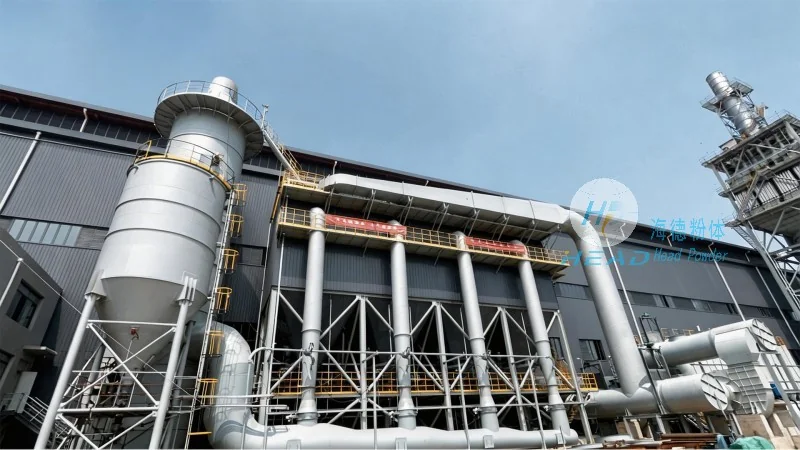
Pneumatic conveying systems utilize compressed air or gas to transport bulk materials such as malt powder through a pipeline network. These systems are typically categorized into dilute phase and dense phase. Dilute phase systems, commonly employed for malt powder, operate at higher velocities and lower pressure drops, making them suitable for long-distance and high-capacity applications. Dense phase systems, in contrast, use lower velocities and higher pressure to move material more gently, reducing the risk of particle attrition and caking.
Key Components of Malt Powder Pneumatic Conveying Equipment
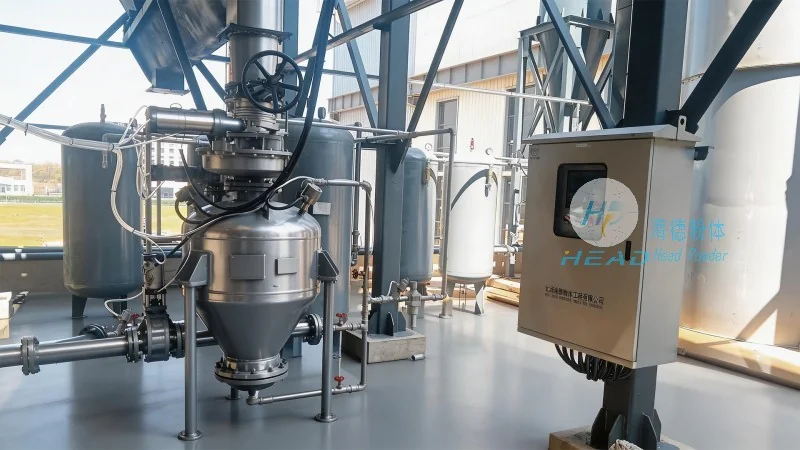
The design of a malt powder pneumatic conveying system involves several critical components that collaborate to ensure efficient material transport. These components include the material feed hopper, which stores and feeds malt powder into the system; the air compressor or blower, which generates the necessary airflow; the conveying line, which transports the material; and the discharge hopper or silo, where the material is collected. Each component is engineered to handle the specific characteristics of malt powder, such as its fine particle size and potential for caking.
Design Principles for Optimal Performance
The design principles of malt powder pneumatic conveying equipment are centered on minimizing product degradation, optimizing energy use, and ensuring system reliability. Key design considerations include selecting appropriate air velocities to prevent particle segregation and clogging, using smooth and corrosion-resistant materials for the conveying line to avoid material buildup, and incorporating filtration systems to protect downstream equipment from dust and particulate matter. Additionally, the system design must account for the specific flow characteristics of malt powder, which can vary based on moisture content and particle size distribution.
Operational Benefits and Applications
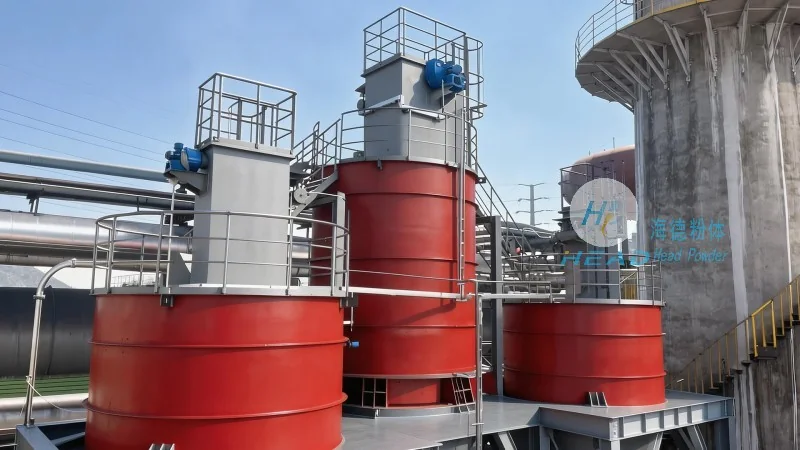
Malt powder pneumatic conveying equipment offers several advantages over traditional mechanical conveying methods. These include reduced product contamination, as the system is enclosed and sealed, preventing exposure to external elements. It also minimizes labor costs and operational downtime, as the equipment is automated and requires less maintenance. The technology is widely used in the brewing industry for transporting malt from storage silos to mashing tanks, as well as in other food processing applications where fine powders need to be handled hygienically and efficiently.
About Shandong HeadPowder Engineering Co., Ltd.
Shandong HeadPowder Engineering Co., Ltd., operating under the brand name headpowder, is a leading manufacturer of specialized pneumatic conveying equipment for the food and beverage industry. With a focus on innovation and quality, the company designs and manufactures systems tailored to the unique needs of malt powder handling. HeadPowder's equipment is engineered to meet stringent hygiene standards, ensuring compliance with industry regulations while delivering reliable performance. The company is based in Shandong, China, and serves clients globally with customized solutions that enhance process efficiency and product quality.