With more than 10‑year industry experience, Shandong Headpowder delivers full‑service pneumatic‑conveying systems and blowers, undertaking nationwide turn‑key powder‑handling projects.
HeadPowder, a leading provider of pneumatic conveying solutions, specializes in the efficient and hygienic transport of rice flour. This article explores the fundamental principles of rice flour pneumatic conveying and highlights the key characteristics of its working scenes, offering insights into how this technology optimizes material handling in food processing industries.
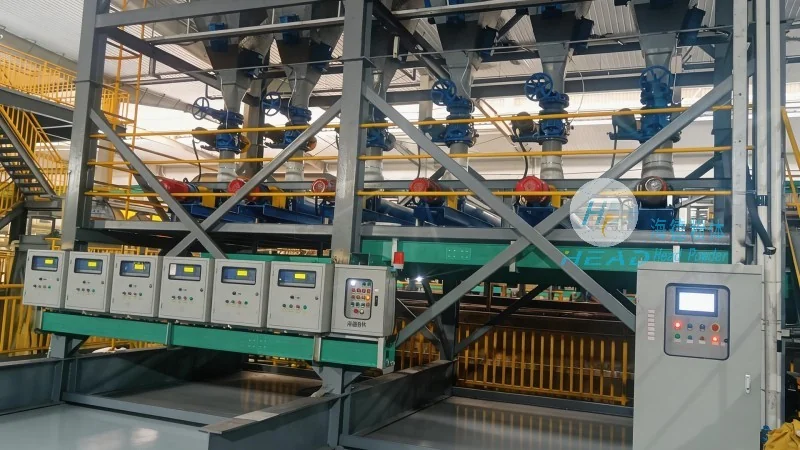
Pneumatic conveying is a method of transporting bulk materials, such as rice flour, through a pipeline using air or gas as the conveying medium. The core principle involves creating a pressure differential to move the material. In the case of rice flour, which is a fine, dry powder, the system typically employs a positive pressure or a combination of positive and negative pressure (also known as a vacuum system). The positive pressure system uses compressed air to push the material through the pipeline, while the negative pressure system uses a vacuum to draw the material. Both methods are designed to maintain the integrity of the rice flour, ensuring it remains free-flowing and uncontaminated during transport.
The process begins with the material being fed into a hopper or feeder, where it is then introduced into the conveying line. The air or gas is introduced at a controlled rate, creating a flow that carries the rice flour along the pipeline. Key components of a pneumatic conveying system for rice flour include the feeder, the conveying line, the air or gas source, and the discharge point. The feeder ensures a consistent flow of rice flour into the system, preventing blockages and maintaining the desired conveying rate. The conveying line is usually made of materials like stainless steel to ensure hygiene and durability, which is critical for food-grade applications. The air or gas source provides the necessary pressure or vacuum, and the discharge point allows the rice flour to be deposited at the desired location.
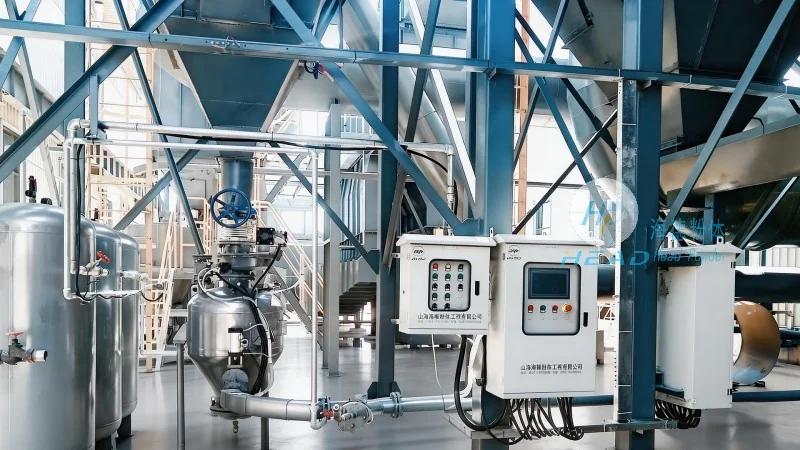
The working scene characteristics of rice flour pneumatic conveying are tailored to the specific needs of rice flour processing facilities. These characteristics include high efficiency, minimal material degradation, and compliance with food safety standards. In rice flour production, the system is often integrated into the overall production line, connecting various stages such as milling, sieving, and packaging. The efficiency of the system is crucial as it reduces labor costs and increases production throughput. For example, in a large-scale rice flour mill, the pneumatic conveying system can transport large volumes of rice flour from the milling area to the storage silos or packaging lines without the need for manual handling, which is both time-consuming and prone to contamination.
Another important characteristic is the hygienic design of the system. Since rice flour is a food product, the conveying equipment must be constructed from materials that are easy to clean and sanitize, such as stainless steel. The system is also designed to minimize dust generation and prevent cross-contamination. This is achieved through features like sealed hoppers, airtight pipelines, and proper filtration of the air or gas used in the conveying process. The working scene also emphasizes the flexibility of the system, allowing it to be adapted to different production volumes and processing requirements. For instance, the conveying rate can be adjusted based on the production schedule, ensuring that the system can handle both high and low production rates without compromising performance.
The application of pneumatic conveying in rice flour processing offers numerous benefits that enhance the overall efficiency and quality of the production process. One of the primary benefits is the ability to maintain the quality of the rice flour. Since the material is transported in a closed system, it is protected from moisture, dust, and other contaminants that could affect its quality. This is particularly important for rice flour used in food products, where purity and consistency are essential. Additionally, the system reduces the risk of product spoilage and extends the shelf life of the rice flour.
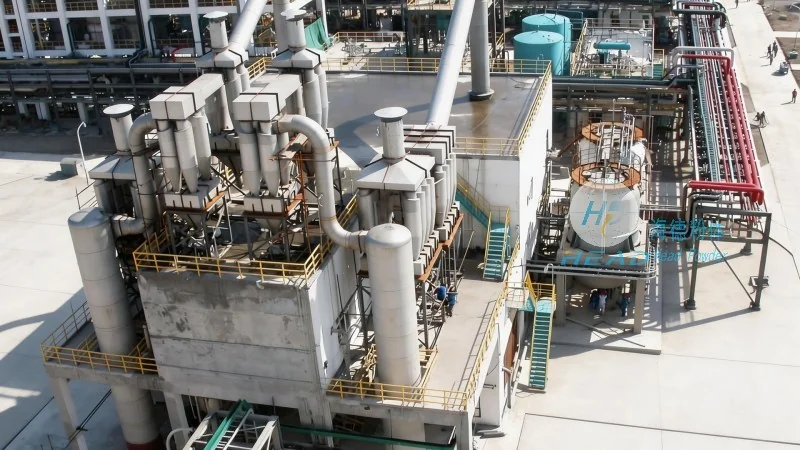
Another significant benefit is the improvement in workplace safety. By eliminating manual handling of rice flour, the system reduces the risk of accidents and exposure to dust, which can cause respiratory issues. This is a critical consideration in food processing facilities, where worker safety is a top priority. The system also contributes to better environmental management by reducing waste and improving the overall efficiency of the production process.
HeadPowder's expertise in pneumatic conveying technology provides rice flour processing facilities with a reliable and efficient solution for material handling. The principles of pneumatic conveying, combined with the working scene characteristics tailored to rice flour, ensure that the process is optimized for performance, hygiene, and safety. As a company based in Shandong, China, HeadPowder Engineering Co., Ltd. leverages its local knowledge and industry experience to deliver customized solutions that meet the specific needs of rice flour producers. By understanding the principles and characteristics of rice flour pneumatic conveying, facilities can enhance their production processes, improve product quality, and ensure compliance with industry standards.

 Shandong Headpowder Engineering Co., Ltd.
 156-6277-7102(Manager Zhang)
  0531-83386006
  Zhangqiu District, Jinan City, Shandong Province, China
telephone
WeChatconsult
top