With more than 10‑year industry experience, Shandong Headpowder delivers full‑service pneumatic‑conveying systems and blowers, undertaking nationwide turn‑key powder‑handling projects.
When it comes to the efficient and reliable transport of limestone powder, selecting the right conveying method is crucial for industrial operations. Limestone powder, a key raw material in various industries such as construction, chemical manufacturing, and environmental remediation, requires specialized handling to ensure safety, minimize dust, and maintain product integrity. This article explores the common methods used for limestone powder conveying, highlighting the advantages and considerations of each approach.
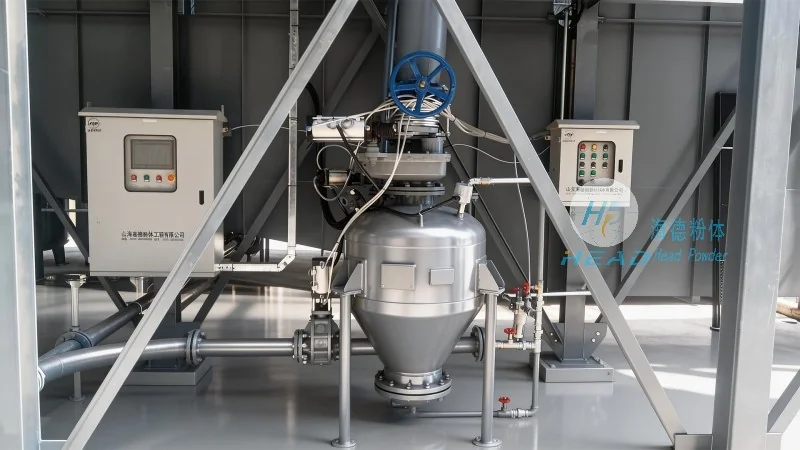
Air-pneumatic conveying, also known as pneumatic conveying, is a widely used method for transporting limestone powder due to its ability to handle fine powders over long distances with minimal equipment. This system operates by using compressed air to create a flow that moves the powder through a pipeline. There are two main types of pneumatic conveying: dilute-phase and dense-phase. Dilute-phase systems are suitable for short to medium distances and low to medium powder loads, while dense-phase systems are ideal for longer distances and higher powder concentrations, ensuring more efficient transport with less air consumption. The primary advantage of air-pneumatic conveying is its ability to handle abrasive materials like limestone powder without causing excessive wear on equipment. Additionally, this method allows for enclosed transport, which helps in controlling dust and maintaining a clean working environment. However, it requires a robust air compression system and can be more energy-intensive compared to other methods. For companies like Shandong HeadPowder Engineering Co., Ltd., which specializes in powder handling solutions, air-pneumatic systems are often customized to meet specific operational needs, ensuring optimal performance and durability.
Screw conveyors, also known as auger conveyors, are another common method for limestone powder conveying. These systems use a rotating screw (auger) inside a trough to move the powder along the length of the conveyor. Screw conveyors are particularly effective for horizontal or slightly inclined transport and are suitable for both dry and slightly moist limestone powders. They are relatively simple in design, making them easy to install and maintain. The main advantage of screw conveyors is their ability to handle a wide range of powder types, including those with varying bulk densities and flow characteristics. Additionally, they can be used in enclosed or open configurations, depending on the application requirements. However, screw conveyors may experience issues with material buildup or clogging, especially with fine powders like limestone. To mitigate this, some designs incorporate special screw flights or cleaning mechanisms. For industrial applications, screw conveyors are often chosen for their low maintenance costs and ability to integrate with other processing equipment. HeadPowder, as a leading provider of powder handling solutions, offers customized screw conveyor systems tailored to the specific demands of limestone powder transport, ensuring reliable and efficient operation.
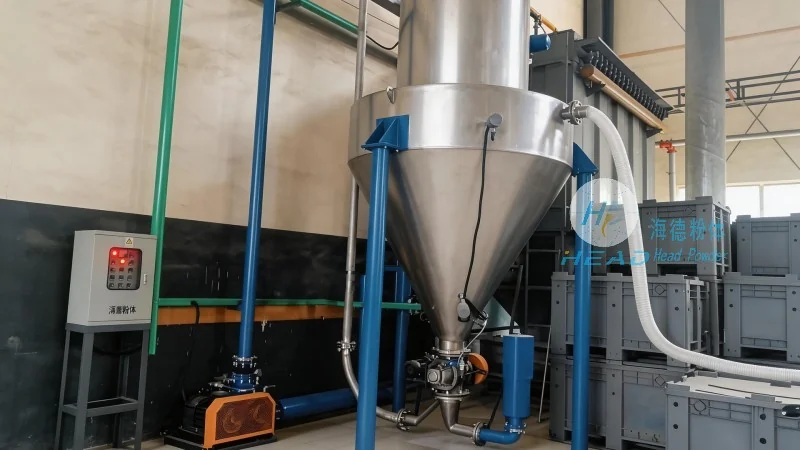
Belt conveyors are a versatile and widely adopted method for transporting limestone powder, especially in bulk material handling applications. These systems consist of a continuous belt that moves over rollers or pulleys, carrying the powder from one location to another. Belt conveyors are capable of handling large volumes of limestone powder over long distances and can be configured for both horizontal and inclined transport. They are particularly suitable for applications where high throughput is required, such as in mining, construction, and chemical processing. The primary advantage of belt conveyors is their high capacity and ability to transport materials over extended distances without the need for intermediate transfer points. Additionally, they can be designed with enclosed or open structures to control dust and protect the material. However, belt conveyors require regular maintenance, including belt tension checks and pulley replacements, to ensure smooth operation. They are also susceptible to material spillage if not properly sealed or maintained. For companies like Shandong HeadPowder Engineering Co., Ltd., belt conveyors are often integrated with other equipment, such as feeders and hoppers, to create a seamless material handling system. This approach enhances efficiency and reduces downtime, making belt conveyors a preferred choice for many industrial operations.
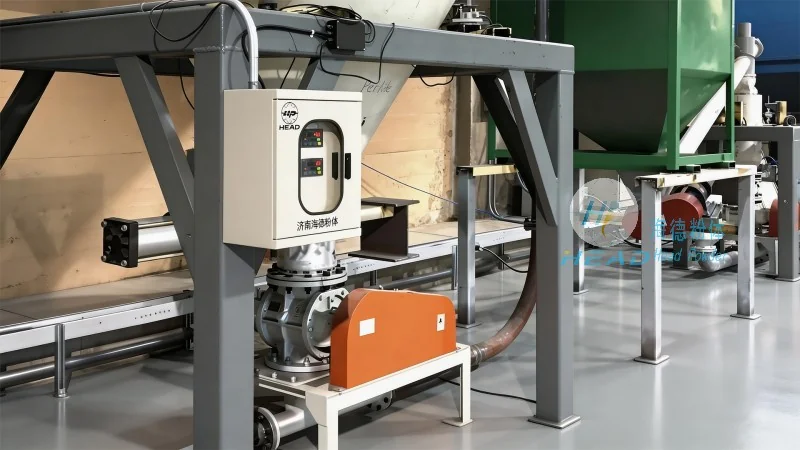
Hydraulic conveying is a less common but effective method for limestone powder transport, particularly in applications where long distances or difficult terrain are involved. This system uses a slurry of limestone powder mixed with water to create a fluid that can be pumped through pipelines. The primary advantage of hydraulic conveying is its ability to transport materials over very long distances, often exceeding 10 kilometers, with minimal energy consumption. It is particularly useful in mining operations where the material needs to be moved from the mine site to processing facilities. However, hydraulic conveying requires a significant amount of water, which can increase operational costs and may require additional treatment for environmental compliance. The system also needs regular maintenance to prevent clogging and ensure consistent flow. For industrial applications, hydraulic conveying is often used in conjunction with other methods to handle specific challenges, such as transporting limestone powder from remote locations. HeadPowder, with its expertise in powder handling, offers solutions that may incorporate hydraulic conveying for specialized projects, ensuring that the method is applied effectively and sustainably.
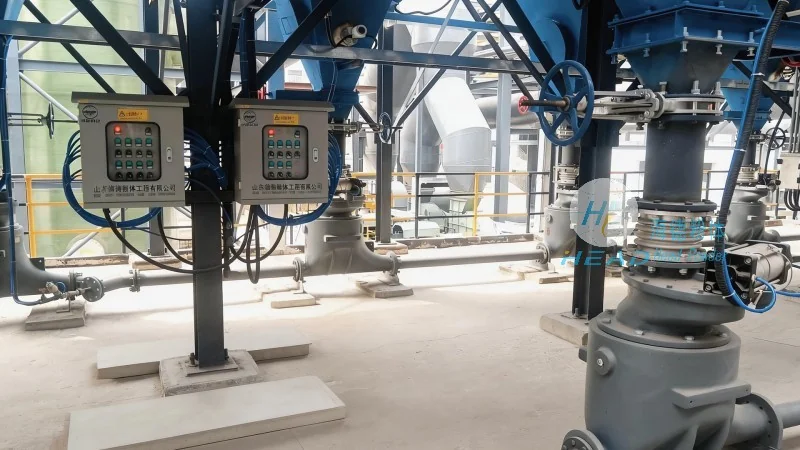
In some cases, a combination of pneumatic and mechanical conveying methods is used to address the specific challenges of limestone powder transport. These hybrid systems may use pneumatic conveyors for short-distance transport and screw or belt conveyors for longer distances, or vice versa. The combination approach allows for flexibility in handling varying material volumes and distances. For example, a system might use a pneumatic conveyor to move limestone powder from a storage silo to a processing unit, and then use a screw conveyor to transport it to the final destination. This combination helps in optimizing energy use and reducing equipment wear. The primary advantage of hybrid systems is their ability to adapt to changing operational conditions, such as fluctuations in material flow rates or distance requirements. However, they require more complex control systems and may have higher initial costs compared to single-method systems. For companies like Shandong HeadPowder Engineering Co., Ltd., hybrid systems are designed to maximize efficiency and reliability, ensuring that the limestone powder is transported safely and effectively. This approach is particularly useful in large-scale industrial operations where multiple transport stages are involved.
When selecting a limestone powder conveying method, several factors must be considered to ensure optimal performance and cost-effectiveness. These factors include the distance and layout of the transport route, the volume and characteristics of the limestone powder (such as particle size, moisture content, and bulk density), the required throughput, and the environmental regulations in the area. The choice of method also depends on the available budget and maintenance capabilities of the company. For instance, pneumatic conveying may be more suitable for short distances and fine powders, while belt conveyors are better for long distances and bulk materials. Additionally, the presence of dust control requirements may influence the selection of an enclosed system over an open one. Companies like Shandong HeadPowder Engineering Co., Ltd. provide comprehensive consultations to help clients evaluate these factors and choose the most appropriate conveying method for their specific needs. By considering these aspects, industrial operations can achieve efficient, reliable, and cost-effective limestone powder transport, ensuring smooth production processes and minimal downtime.

 Shandong Headpowder Engineering Co., Ltd.
 156-6277-7102(Manager Zhang)
  0531-83386006
  Zhangqiu District, Jinan City, Shandong Province, China
telephone
WeChatconsult
top