With more than 10‑year industry experience, Shandong Headpowder delivers full‑service pneumatic‑conveying systems and blowers, undertaking nationwide turn‑key powder‑handling projects.
Understanding the Polyurethane Material Conveying Line and Its Design Principles
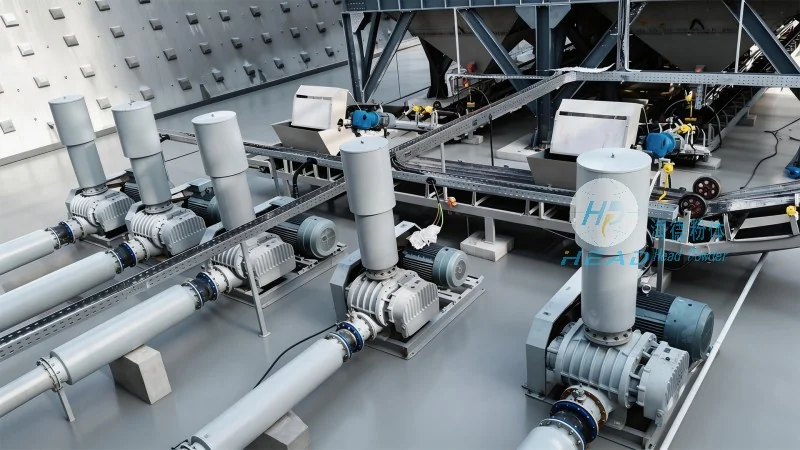
A polyurethane material conveying line is a specialized system engineered to transport various materials efficiently and reliably. These systems are widely used across industries due to their adaptability, durability, and ability to handle a broad range of material types. The design of such lines is critical, as it directly impacts performance, efficiency, and the overall operational success of the application.
The core components of a polyurethane material conveying line typically include the conveyor belt, drive system, idlers, and supporting structures. The conveyor belt, often made from high-quality polyurethane, is the primary element responsible for material movement. It is designed to withstand heavy loads, abrasion, and temperature variations, ensuring long-term performance. The drive system, which may consist of motors and pulleys, provides the necessary force to move the belt. Idlers are strategically placed to support the belt and maintain proper alignment, while the supporting structures provide stability and durability to the entire system.
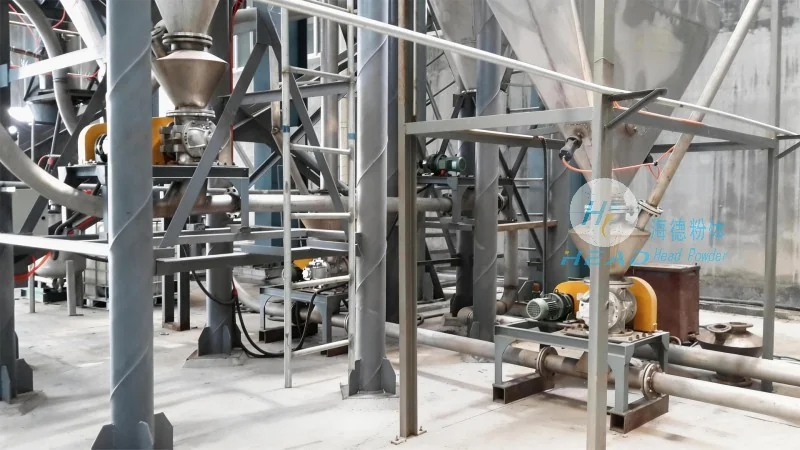
The design principles of a polyurethane material conveying line focus on maximizing efficiency, minimizing maintenance, and ensuring safety. Engineers consider factors such as material characteristics, load capacity, and operational environment when designing these systems. For instance, the belt's thickness and surface texture are tailored to the specific material being conveyed, whether it's granules, powders, or bulk materials. The angle of inclination and the length of the conveyor are also critical, as they affect the speed and energy consumption of the system. Additionally, the integration of safety features, such as emergency stop mechanisms and protective guards, is essential to prevent accidents and ensure compliance with industry standards.
Polyurethane material conveying lines are versatile and find applications in numerous industries. In the chemical industry, they are used to transport powders and granules, while in the food processing sector, they handle bulk ingredients and products. The mining and construction industries also rely on these systems for material handling, as they can handle heavy and abrasive materials without compromising performance. The adaptability of polyurethane conveyor belts makes them suitable for a wide range of applications, from small-scale operations to large-scale industrial facilities.
Compared to traditional metal or rubber conveyor systems, polyurethane material conveying lines offer several advantages. Their smooth surface reduces friction, leading to lower energy consumption and longer operational life. The material's resistance to chemicals and oils makes it ideal for environments where exposure to corrosive substances is common. Additionally, polyurethane belts are lightweight, which simplifies installation and reduces the load on supporting structures. These benefits contribute to lower maintenance costs and higher overall productivity.
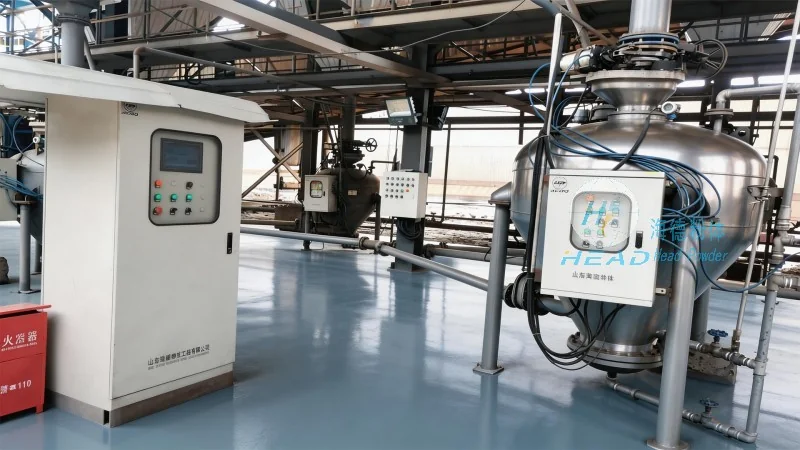
HeadPowder Engineering Co., Ltd., a leading manufacturer based in Shandong, China, specializes in designing and manufacturing customized polyurethane material conveying lines. The company's expertise lies in tailoring systems to meet specific customer requirements, ensuring optimal performance and reliability. Regular maintenance is crucial to extend the lifespan of these systems. This includes inspecting the belt for wear and tear, checking the tension of the drive system, and cleaning the idlers and supporting structures. Proper maintenance, as recommended by manufacturers like HeadPowder, ensures that the conveying line operates efficiently and safely over its service life.
Polyurethane material conveying lines are essential equipment for modern material handling operations. Their design principles, which prioritize efficiency, durability, and safety, make them a preferred choice across various industries. With advancements in material technology and engineering, these systems continue to evolve, offering improved performance and adaptability. For businesses seeking reliable and efficient material transport solutions, investing in a well-designed polyurethane conveying line is a strategic decision that enhances operational productivity and reduces long-term costs.

 Shandong Headpowder Engineering Co., Ltd.
 156-6277-7102(Manager Zhang)
  0531-83386006
  Zhangqiu District, Jinan City, Shandong Province, China
telephone
WeChatconsult
top