

What is a Quicklime Powder Material Pneumatic Conveying System? What are its Design Principles?
Quicklime powder, also known as calcium oxide, is a widely used industrial material in sectors such as construction, steel production, and environmental treatment. The efficient and reliable transportation of this fine powder is crucial for maintaining production efficiency and product quality. Pneumatic conveying systems have emerged as a preferred solution for handling quicklime powder due to their ability to transport materials in a closed system, minimizing dust emissions and ensuring a clean working environment.
Understanding Pneumatic Conveying Technology
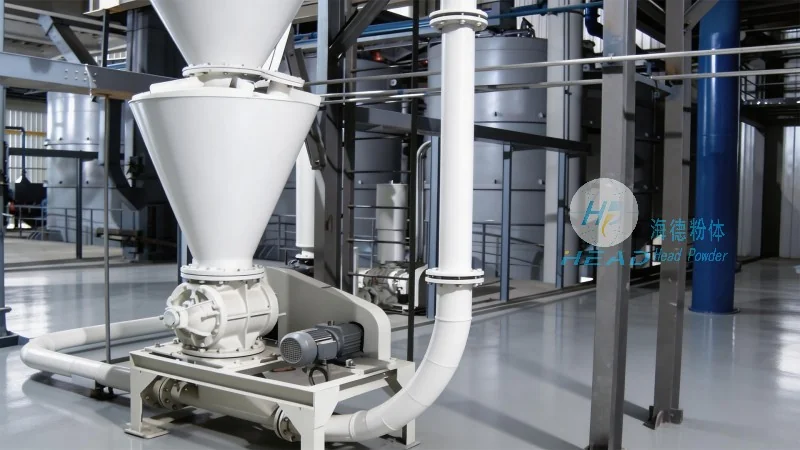
Pneumatic conveying systems utilize air or gas to transport bulk materials through a network of pipes. In the case of quicklime powder, these systems are designed to handle the material's specific properties, including its fine particle size and potential reactivity. The core components of a typical quicklime powder pneumatic conveying system include a material feeder, a conveying line, a separator, and a collection hopper. Each component plays a critical role in ensuring the system operates efficiently and safely.
Design Principles of Quicklime Powder Pneumatic Conveying Systems
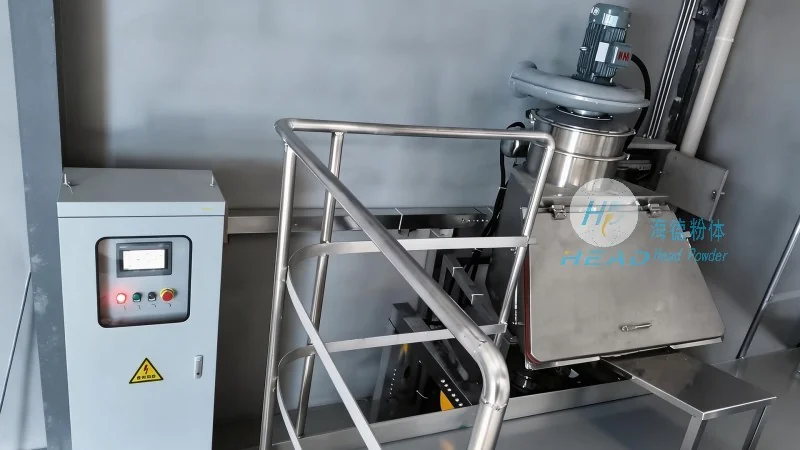
The design of a quicklime powder pneumatic conveying system involves several key principles to optimize performance and reliability. First, the system must be capable of handling the material's flow characteristics, which can vary depending on moisture content and particle size distribution. HeadPowder, a leading manufacturer of industrial conveying solutions, emphasizes the importance of selecting the appropriate conveying velocity and pressure to prevent material degradation or blockages. Second, the system's design must incorporate effective dust control measures. Quicklime powder is known for its fine particles, which can cause respiratory issues and environmental contamination if not properly contained. Therefore, the system typically includes a dust collection system and sealed components to minimize emissions. Third, the system's components must be constructed from materials that are resistant to the chemical properties of quicklime powder. Quicklime is a strong base, and prolonged exposure can cause corrosion or degradation of certain materials. HeadPowder's systems are designed with corrosion-resistant materials such as stainless steel and specialized coatings to ensure long-term durability.
Key Components and Their Functions
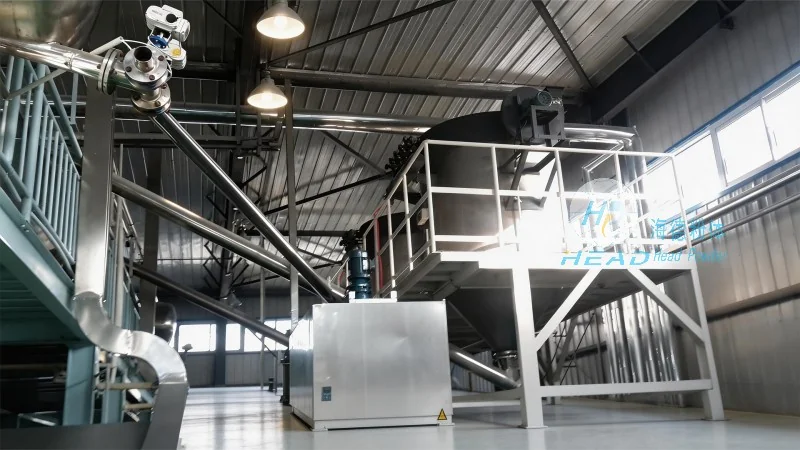
1. Material Feeder: The material feeder is responsible for accurately metering the quicklime powder into the conveying line. For fine powders like quicklime, a rotary valve or a screw feeder is commonly used to ensure a consistent flow rate. The feeder must be designed to handle the material's tendency to stick or agglomerate, which can affect the system's performance. 2. Conveying Line: The conveying line is the main pathway for transporting the quicklime powder. It is typically made of metal pipes, often with a smooth interior to minimize friction and reduce the risk of material buildup. The line's diameter and length are carefully selected based on the material's flow characteristics and the required conveying distance. 3. Separator: The separator is a critical component that separates the conveyed material from the air or gas. It works by reducing the velocity of the material-air mixture, causing the heavier particles to fall out and be collected in a hopper. The separator must be designed to handle the fine particle size of quicklime powder, ensuring high separation efficiency. 4. Collection Hopper: The collection hopper stores the separated quicklime powder for subsequent use. It is typically made of a durable material, such as stainless steel, to prevent corrosion from the material's chemical properties. The hopper is equipped with a discharge valve to allow for easy removal of the material.
Advantages of Quicklime Powder Pneumatic Conveying Systems
Implementing a pneumatic conveying system for quicklime powder offers several advantages over traditional methods such as bucket elevators or belt conveyors. First, the closed system design minimizes dust emissions, improving workplace safety and environmental compliance. Second, the system is more flexible in terms of layout, as it can be installed in various configurations to fit the existing facility layout. Third, the system can handle high volumes of material with minimal maintenance, reducing operational costs. Fourth, the system's ability to transport material over long distances without the need for multiple transfer points increases overall efficiency. HeadPowder's systems are engineered to maximize these advantages, providing reliable and efficient solutions for quicklime powder transportation.
Application Examples
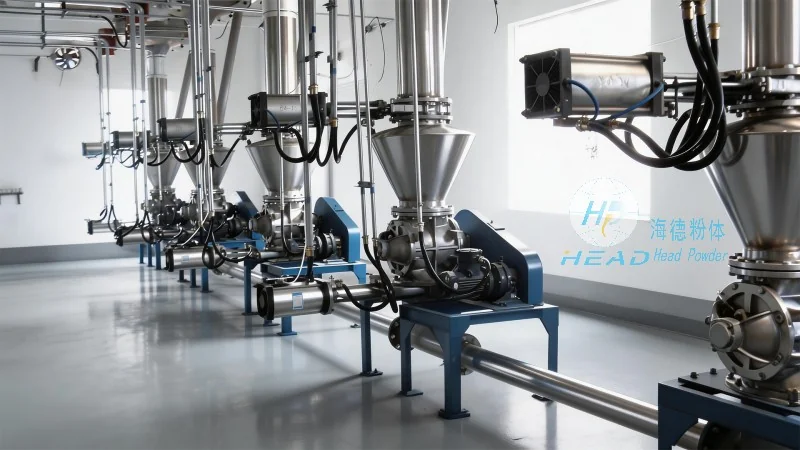
Quicklime powder pneumatic conveying systems are widely used in various industrial applications. For example, in steel production, quicklime is used as a flux to remove impurities from iron ore. The system transports the quicklime powder from storage to the furnace, ensuring a consistent supply of material. In environmental treatment, quicklime is used to neutralize acidic waste. The system delivers the powder to the treatment facility, where it is mixed with the waste to achieve the desired pH level. In construction, quicklime is used in the production of cement and concrete. The system transports the powder from the production line to storage or to the construction site, ensuring a steady supply of material. HeadPowder's systems have been successfully implemented in these and other applications, demonstrating their effectiveness and reliability.