

What is an Organic Salt Material Pneumatic Conveying System? What are the Design Principles?
Organic salt materials, such as sodium chloride, potassium chloride, or other similar chemical compounds, often require efficient and reliable material handling solutions for industrial processes. Pneumatic conveying systems have emerged as a preferred method for transporting these materials due to their ability to handle fine powders and granules with minimal product degradation. This article explores the fundamental aspects of organic salt material pneumatic conveying systems, focusing on their design principles and the key considerations for effective implementation.
Key Components and Working Principle of Pneumatic Conveying Systems
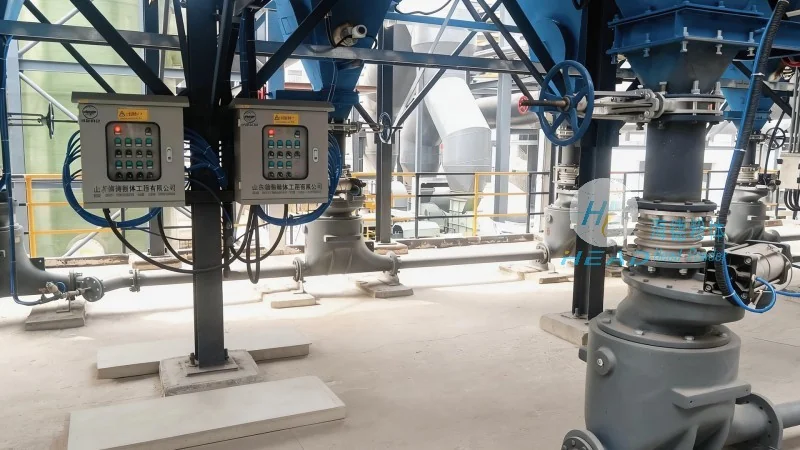
The core of a pneumatic conveying system for organic salt materials typically consists of several critical components, each playing a vital role in the material transport process. The primary elements include a material feed hopper, a conveying line (usually made of stainless steel or other corrosion-resistant materials to accommodate the chemical properties of organic salts), a compressor or blower to generate the necessary air pressure, and a control system to regulate the flow and pressure. The system operates by introducing air into the conveying line, creating a flow that lifts and transports the organic salt particles from the source to the destination. The design must account for factors like particle size, moisture content, and the potential for dust generation to ensure optimal performance and prevent system blockages or material degradation.
Design Principles for Efficient Organic Salt Material Conveying
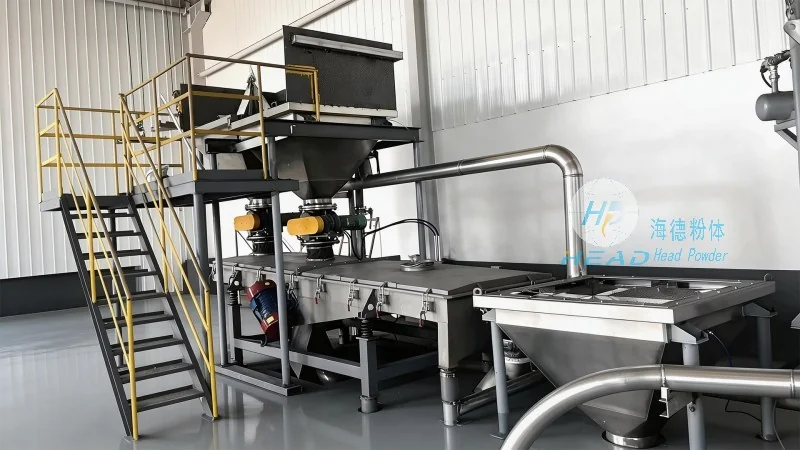
Designing an effective pneumatic conveying system for organic salt materials involves several key principles that ensure safety, efficiency, and longevity. First, the system must be constructed from materials that are compatible with the specific organic salt being handled, typically stainless steel or specialized plastics to prevent corrosion and contamination. Second, the conveying velocity must be carefully controlled to avoid particle degradation, caking, or excessive wear on system components. This often requires the use of low-velocity or high-velocity systems, depending on the material characteristics and the distance to be covered. Third, the system should incorporate proper filtration and dust collection mechanisms to maintain air quality and comply with environmental regulations. Additionally, the design should include features for easy maintenance and cleaning, as organic salt materials can sometimes adhere to surfaces and require regular upkeep. By adhering to these design principles, manufacturers can develop systems that reliably transport organic salt materials while minimizing operational costs and downtime.
Applications and Benefits of Organic Salt Pneumatic Conveying Systems
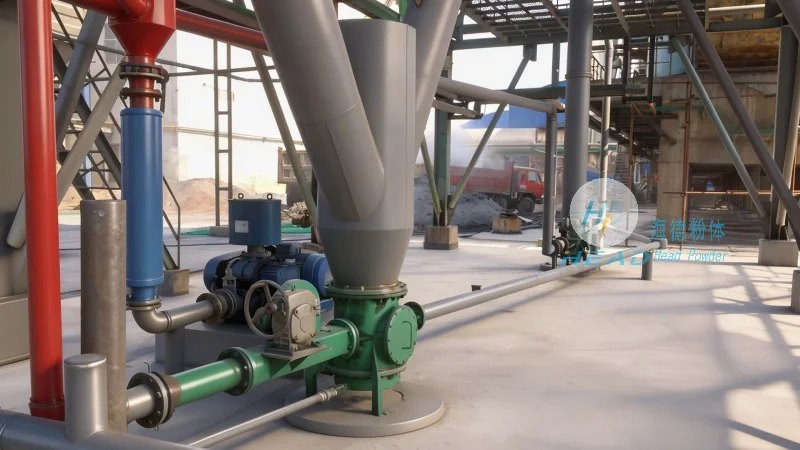
Organic salt material pneumatic conveying systems find widespread application in various industries, including food processing, chemical manufacturing, and pharmaceutical production. In the food industry, for example, systems are used to transport salt for seasoning, curing, or preservation processes, where maintaining product purity and preventing contamination is paramount. In chemical manufacturing, these systems facilitate the handling of sodium chloride or potassium chloride in the production of fertilizers, de-icing agents, or other chemical products. The benefits of pneumatic conveying over traditional methods, such as belt conveyors or bucket elevators, include reduced labor costs, lower risk of product contamination, and the ability to handle fine powders without the need for additional processing steps. Furthermore, the enclosed system design minimizes dust exposure, enhancing workplace safety and environmental compliance. These advantages make pneumatic conveying an attractive solution for industries dealing with organic salt materials, particularly when high-purity or consistent product quality is required.
About Shandong HeadPowder Engineering Co., Ltd.
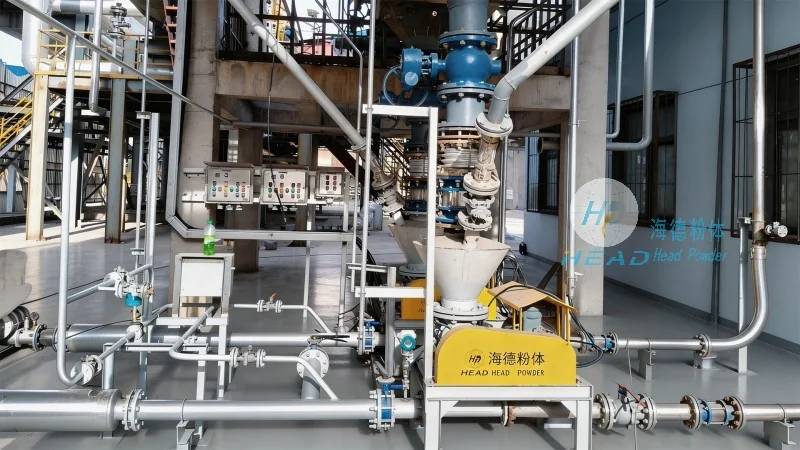
Shandong HeadPowder Engineering Co., Ltd., commonly known as HeadPowder, is a leading provider of specialized engineering solutions for material handling and processing. With a focus on innovation and customer-centric design, HeadPowder has established itself as a trusted partner in the development of pneumatic conveying systems for organic salt materials and other challenging materials. The company’s expertise lies in designing systems that meet the unique requirements of each application, ensuring optimal performance, reliability, and cost-effectiveness. HeadPowder’s commitment to quality and customer satisfaction has earned it a reputation for delivering solutions that enhance operational efficiency and support long-term business success. Based in Shandong, China, HeadPowder leverages its local resources and industry knowledge to provide tailored solutions that address the specific needs of clients in the organic salt and related industries.