With more than 10‑year industry experience, Shandong Headpowder delivers full‑service pneumatic‑conveying systems and blowers, undertaking nationwide turn‑key powder‑handling projects.
When it comes to efficient material handling in industrial settings, especially for materials like magnesium silicate, specialized systems are often required to ensure smooth and safe operations. This article delves into the concept of a magnesium silicate material handling system, exploring its core components, operational mechanisms, and the underlying design principles that make such systems effective. By understanding these aspects, industries can better appreciate how these systems contribute to productivity and safety in material processing.
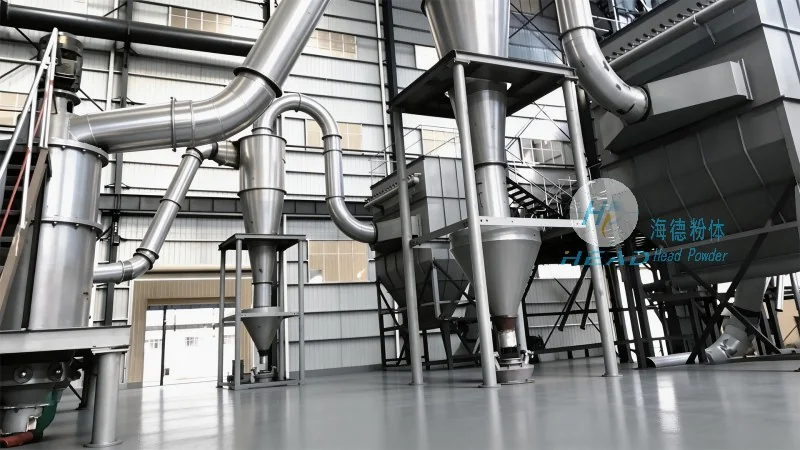
A magnesium silicate material handling system is a specialized equipment setup designed to transport, store, and manage magnesium silicate—a compound commonly used in various industrial applications such as construction, agriculture, and chemical manufacturing. The system typically includes conveyors, storage silos, feeding mechanisms, and control systems, all working in tandem to ensure the material is handled efficiently and safely. The primary goal of this system is to streamline the material flow, reduce manual labor, and minimize the risk of accidents or material loss during handling.
The effectiveness of a magnesium silicate material handling system hinges on its key components, each playing a crucial role in the overall operation. These components include:
1. Conveyors: These are the backbone of the system, responsible for transporting the material from one location to another. Depending on the application, conveyors may include belt conveyors, screw conveyors, or pneumatic conveyors. For magnesium silicate, which can be dusty and abrasive, heavy-duty and dust-tight designs are often employed to prevent material degradation and ensure safe operation.
2. Storage Silos: These structures are used to store the magnesium silicate in bulk. The design of the silo is critical, as it must be able to withstand the weight of the material and prevent caking or bridging, which can lead to blockages. Silos are typically equipped with agitators or vibrators to maintain material flow and prevent material buildup.
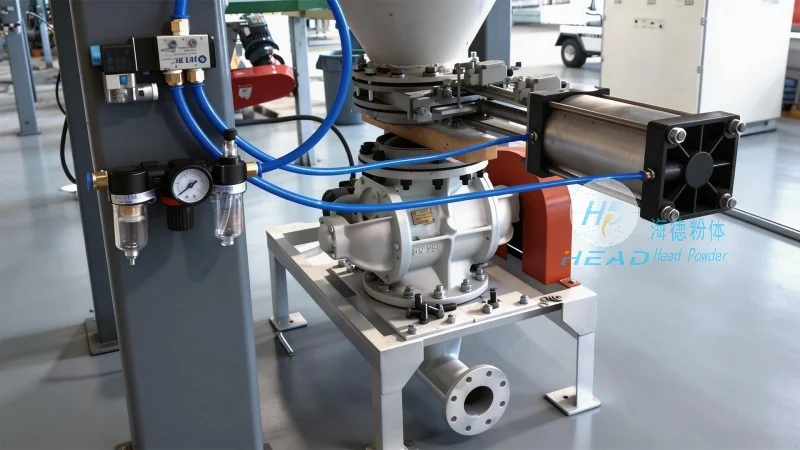
3. Feeding Mechanisms: These components control the flow of material from the silo to the conveyor or other processing equipment. They may include rotary valves, gate valves, or screw feeders, which regulate the amount of material released at any given time. Proper control of the feeding rate is essential to maintain consistent material flow and prevent overloading or underloading of downstream equipment.
4. Control Systems: Modern material handling systems are often integrated with advanced control systems that monitor and regulate the operation of all components. These systems may include sensors to detect material levels, pressure, or temperature, and control panels to adjust conveyor speeds, feeding rates, or other parameters as needed. The control system ensures that the entire process runs smoothly and safely, with minimal human intervention.
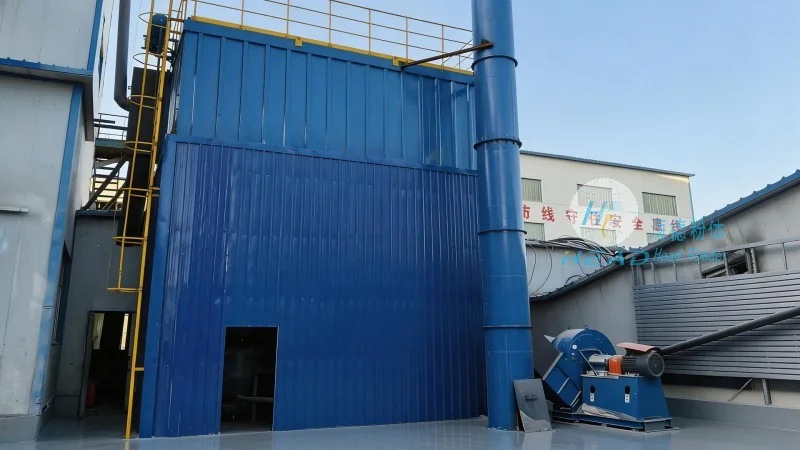
The design of a magnesium silicate material handling system follows several key principles to ensure efficiency, safety, and longevity. These principles are tailored to the unique properties of magnesium silicate, which can be fine, dusty, and potentially abrasive. The main design principles include:
1. Material Compatibility: All components of the system must be compatible with magnesium silicate. This includes using materials such as stainless steel or special coatings that can resist corrosion and abrasion caused by the material. The system must also be designed to prevent dust accumulation, as magnesium silicate dust can be hazardous and affect the performance of the equipment.
2. Flow Control: Proper design of the system ensures that the material flows smoothly and consistently. This involves considering the material's bulk density, angle of repose, and flow characteristics. The system may include features such as hopper design, agitators, or vibrators to prevent caking or bridging, which can disrupt the flow and cause equipment failure.
3. Safety and Environmental Considerations: The system must be designed with safety in mind, including measures to prevent dust explosions, material spills, or other hazards. This may involve using explosion-proof components, dust collection systems, and proper ventilation. Additionally, the system should be designed to minimize environmental impact, such as reducing dust emissions and ensuring proper waste management.
4. Modularity and Scalability: The system should be designed to be modular, allowing for easy expansion or modification as the needs of the industry change. This includes using standard components that can be easily replaced or upgraded, and a design that allows for additional equipment to be added without major overhauls. Scalability ensures that the system can grow with the business, maintaining efficiency and cost-effectiveness over time.
Magnesium silicate material handling systems are widely used in various industries due to their ability to handle the unique properties of this material. Some common applications include:
1. Construction Industry: Magnesium silicate is used as a fire-resistant material in building materials. The material handling system ensures that this material is transported safely and efficiently to construction sites, where it is used in the production of fire-resistant panels and other building components.
2. Agricultural Industry: In agriculture, magnesium silicate is used as a soil amendment or fertilizer. The system helps in the efficient distribution of this material to farms, ensuring that it is applied evenly and at the correct rate.
3. Chemical Manufacturing: In chemical plants, magnesium silicate is used as a filler or additive in various products. The material handling system ensures that the material is processed and transported safely, maintaining the quality and consistency of the final products.
By implementing a well-designed magnesium silicate material handling system, industries can achieve significant benefits, including increased productivity, reduced labor costs, improved safety, and lower environmental impact. The system's ability to handle the material efficiently and safely makes it an essential component in many industrial processes.
In conclusion, a magnesium silicate material handling system is a critical piece of equipment for industries dealing with this compound. The system's design, based on principles of material compatibility, flow control, safety, and modularity, ensures that it can handle the unique properties of magnesium silicate effectively. By understanding these aspects, businesses can make informed decisions about implementing such systems, leading to improved operational efficiency and safety. As the demand for magnesium silicate continues to grow, the importance of efficient material handling systems will only increase, making them a vital investment for any industry involved in this material's processing.

 Shandong Headpowder Engineering Co., Ltd.
 156-6277-7102(Manager Zhang)
  0531-83386006
  Zhangqiu District, Jinan City, Shandong Province, China
telephone
WeChatconsult
top