With more than 10‑year industry experience, Shandong Headpowder delivers full‑service pneumatic‑conveying systems and blowers, undertaking nationwide turn‑key powder‑handling projects.
Understanding the design principles and components of limestone material handling systems is crucial for optimizing industrial operations, especially in sectors that rely on limestone as a raw material. This article delves into the core aspects of such systems, providing insights into their functionality, key design considerations, and the role of specialized engineering companies in their implementation.
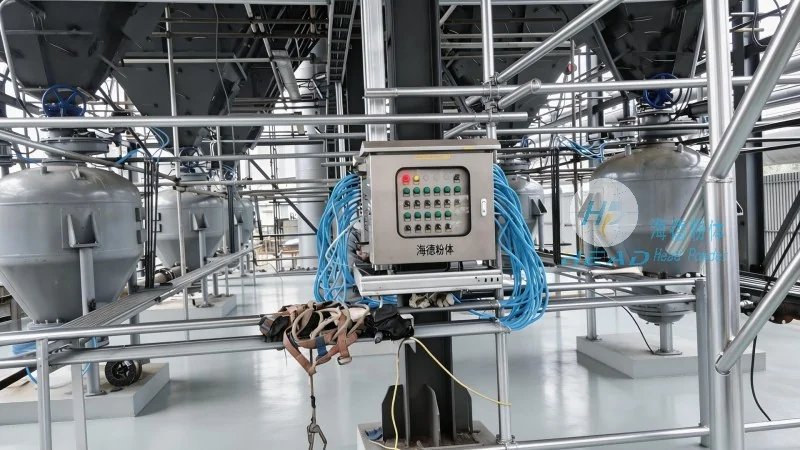
A limestone material handling system is a comprehensive setup designed to transport, store, and manage limestone from its source to the point of use in industrial processes. Limestone, a sedimentary rock composed primarily of calcium carbonate, is widely used in construction, cement production, and chemical manufacturing. The efficiency of these systems directly impacts production throughput, operational costs, and overall safety in industrial facilities. Proper design ensures that limestone is handled in a manner that minimizes dust, reduces material loss, and maintains consistent flow rates, which are critical for downstream processes.
The effectiveness of a limestone material handling system hinges on its integrated components, each serving a specific function to ensure smooth material flow. These components typically include:
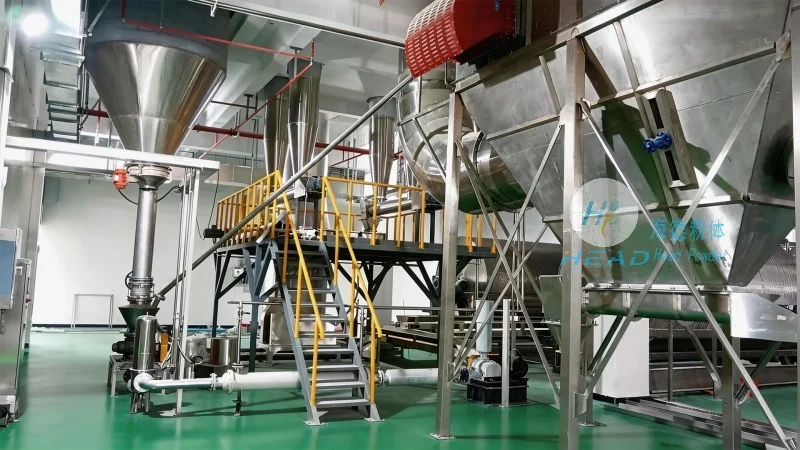
The design of a limestone material handling system follows several key principles to ensure optimal performance and longevity. These principles are tailored to the unique properties of limestone, such as its particle size, density, and abrasiveness. The primary design considerations include:
Limestone material handling systems are widely used in various industrial applications, with the most common being in the cement and construction industries. In cement production, limestone is a primary raw material that is ground and mixed with other components to produce clinker. The efficiency of the material handling system directly impacts the quality and output of the cement. In construction, limestone is used as a building material and in the production of lime, which is used in soil stabilization and water treatment.
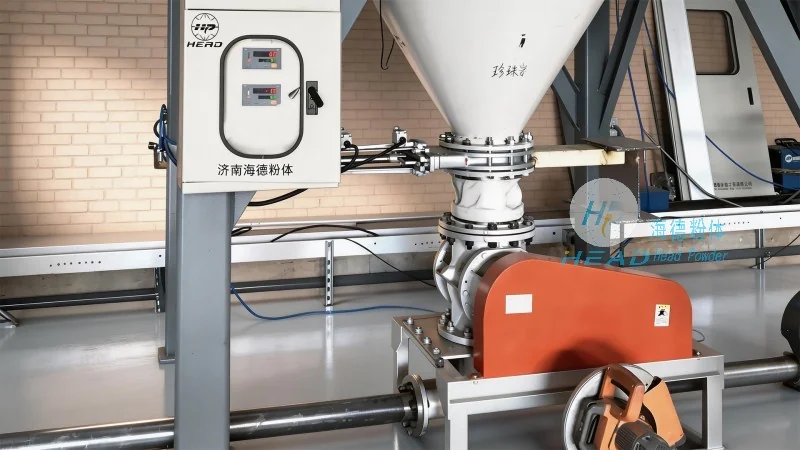
Other industries that benefit from limestone material handling systems include chemical manufacturing, where limestone is used as a source of calcium, and the steel industry, where it is used in the production of fluxes. Regardless of the industry, the goal of these systems is to ensure a reliable and consistent supply of limestone, which is essential for maintaining production schedules and meeting quality standards.
Shandong HeadPowder Engineering Co., Ltd. is a leading provider of material handling solutions, specializing in the design, manufacturing, and installation of systems for limestone and other bulk materials. With a strong focus on engineering excellence and customer satisfaction, the company has built a reputation for delivering high-quality, customized solutions that meet the unique needs of its clients. HeadPowder's team of experienced engineers and technicians works closely with clients to understand their specific requirements and develop tailored systems that optimize performance and reduce operational costs. The company's headquarters is located in Shandong, China, where it leverages its local expertise and resources to serve a global clientele.

 Shandong Headpowder Engineering Co., Ltd.
 156-6277-7102(Manager Zhang)
  0531-83386006
  Zhangqiu District, Jinan City, Shandong Province, China
telephone
WeChatconsult
top