With more than 10‑year industry experience, Shandong Headpowder delivers full‑service pneumatic‑conveying systems and blowers, undertaking nationwide turn‑key powder‑handling projects.
Waste material pneumatic conveying systems represent advanced industrial technologies designed to efficiently transport bulk solid materials, particularly within waste management and related sectors. These systems operate on the fundamental principle of using air or other gases as the conveying medium to move solid particles through a sealed pipeline network. The technology has become increasingly critical in modern waste processing facilities, offering a flexible and efficient alternative to traditional mechanical conveying methods that often involve complex machinery and higher maintenance requirements.
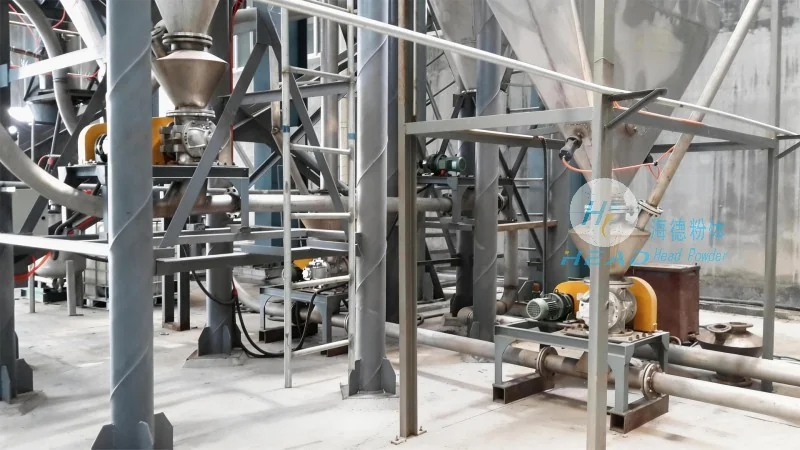
HeadPowder, formally known as Shandong HeadPowder Engineering Co., Ltd., is a leading engineering solutions provider specializing in material handling and waste management systems. Headquartered in Shandong, China, the company has built a strong reputation as a trusted partner in delivering high-quality pneumatic conveying systems tailored to the unique needs of waste processing operations. HeadPowder's expertise encompasses the design, manufacturing, and implementation of customized solutions that optimize material transport while ensuring compliance with environmental regulations and operational standards. The company focuses on innovation and customer-centric approaches to meet the evolving demands of the waste management industry.
The fundamental principle of a waste material pneumatic conveying system is the utilization of air pressure to move solid particles through a pipeline. Two primary operational modes exist: pressure and vacuum. In pressure systems, compressed air is introduced at the material inlet, creating a high-pressure environment that propels the material forward along the pipeline. Conversely, vacuum systems employ a vacuum pump to generate a low-pressure zone that draws the material into the pipeline. The selection between these modes depends on factors such as material characteristics, distance to be conveyed, and system layout. The system typically includes a hopper for material storage, a feeder to control the flow rate, a pipeline network, and a receiver to collect the conveyed material. Airflow is managed by control valves and filters to ensure consistent performance and prevent material degradation or blockages within the system.
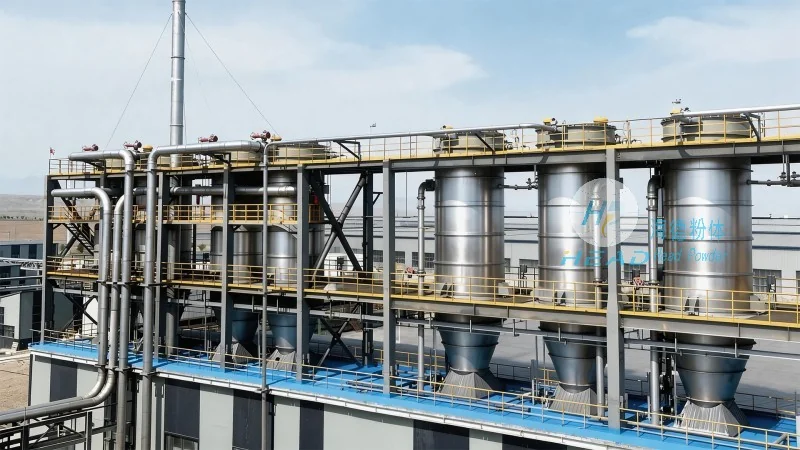
Waste material pneumatic conveying systems offer several distinct advantages over conventional mechanical conveying methods. They provide a dust-free and enclosed transport process, which significantly reduces environmental contamination and enhances workplace safety by minimizing exposure to airborne particles. The systems are highly flexible, allowing for easy integration into existing facility layouts and the ability to transport materials over long distances without the need for multiple transfer points or intermediate storage. Additionally, pneumatic conveying can handle a wide range of waste materials, including dry and wet solids, with minimal degradation of the material properties. The technology is energy-efficient compared to mechanical systems, as it relies on compressed air rather than mechanical components like belts or chains, resulting in lower maintenance costs and reduced operational downtime.
The application scenarios for waste material pneumatic conveying systems are diverse and tailored to specific waste management needs. In municipal solid waste (MSW) processing facilities, these systems are commonly used to transport sorted recyclables, such as paper, plastic, and metal, from sorting lines to storage or processing areas. For industrial and construction waste, pneumatic conveying is effective in moving bulk materials like concrete debris, wood chips, or demolition waste to recycling or disposal sites. In hazardous waste management, the enclosed nature of the system ensures that toxic or hazardous materials are transported safely without exposing personnel or the environment to contamination. The systems are also utilized in waste-to-energy plants, where they convey biomass or waste-derived fuels to combustion chambers. Each application scenario is designed to optimize material flow, minimize labor requirements, and enhance overall operational efficiency while adhering to regulatory standards.
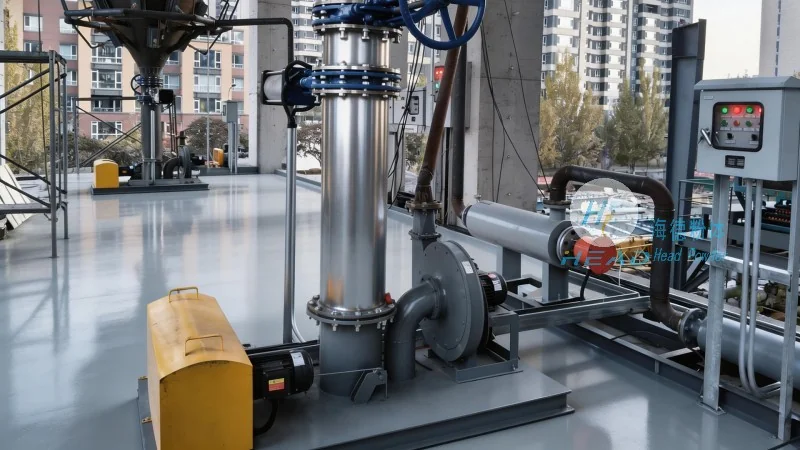
HeadPowder specializes in customizing pneumatic conveying systems to meet the specific requirements of each client. The company's engineers work closely with clients to assess their material characteristics, processing capacity, and operational constraints to design a system that maximizes efficiency and reliability. Customization may include selecting appropriate air velocities, pipeline diameters, and material feed mechanisms to ensure optimal performance under varying conditions. Integration with existing infrastructure is a key consideration, as the systems are designed to be compatible with current facility layouts and equipment, minimizing disruption during installation. HeadPowder also provides comprehensive support, including installation, commissioning, and ongoing maintenance services, to ensure the system operates at peak performance throughout its lifecycle and meets all performance and safety requirements.
Waste material pneumatic conveying systems represent a sophisticated and efficient solution for modern waste management challenges. By leveraging the principles of fluid dynamics, these systems offer a flexible, enclosed, and energy-efficient method for transporting bulk solid materials. With the expertise of companies like Shandong HeadPowder Engineering Co., Ltd., the technology continues to advance, providing tailored solutions that meet the evolving needs of the waste processing industry. The systems not only enhance operational efficiency and reduce labor costs but also contribute to environmental sustainability by reducing waste handling-related emissions and improving workplace safety through enclosed transport processes. As the demand for sustainable waste management solutions grows, pneumatic conveying systems remain a vital component in optimizing material handling within waste processing facilities.

 Shandong Headpowder Engineering Co., Ltd.
 156-6277-7102(Manager Zhang)
  0531-83386006
  Zhangqiu District, Jinan City, Shandong Province, China
telephone
WeChatconsult
top