With more than 10‑year industry experience, Shandong Headpowder delivers full‑service pneumatic‑conveying systems and blowers, undertaking nationwide turn‑key powder‑handling projects.
HeadPowder, a leading engineering firm based in Shandong, China, specializes in the design, manufacturing, and implementation of advanced pneumatic conveying systems tailored for polyolefin materials. These systems represent a sophisticated solution for the efficient and reliable transport of polyolefin powders and granules across various industrial applications.
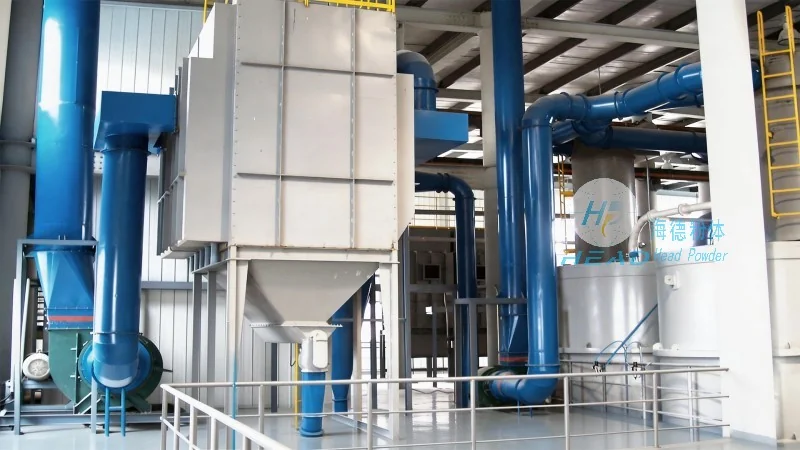
The core principle of a polyolefin material pneumatic conveying system lies in the use of compressed air or other gas to transport bulk materials through a pipeline network. This method eliminates the need for mechanical components like belts or buckets, reducing maintenance requirements and enhancing operational safety. The system typically consists of a material feed hopper, a gas source (such as a blower or compressor), a conveying line, and a discharge unit. The material is introduced into the hopper, where it is pneumatically accelerated by the gas stream, moving through the pipeline to the desired destination. This process leverages the kinetic energy of the gas to move the polyolefin particles, ensuring a continuous and controlled flow. The design of the system, including the type of gas (air or inert gas like nitrogen), the pressure levels, and the pipeline configuration, is critical to optimizing performance and minimizing material degradation.
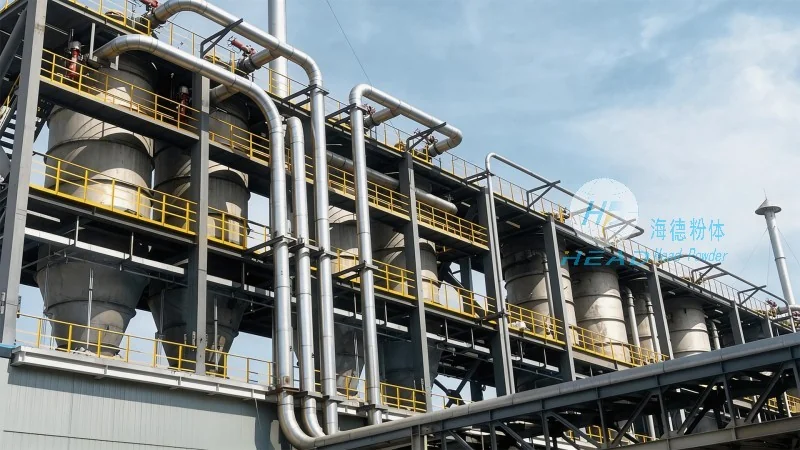
Polyolefin material pneumatic conveying systems are engineered to operate effectively in a wide range of industrial settings, each with unique requirements. In manufacturing facilities, these systems are commonly used to transfer polyolefin powders from storage silos to processing lines, ensuring a seamless supply chain. The systems are also utilized in research and development laboratories, where precise and clean material handling is essential for experimental work. Additionally, in recycling and waste management operations, pneumatic conveying helps in the transport of polyolefin waste materials to processing units, supporting sustainable practices. The operational characteristics of these systems, such as their ability to handle varying particle sizes and moisture content, make them adaptable to different polyolefin types, including polyethylene (PE) and polypropylene (PP). The systems are designed to maintain material integrity, preventing agglomeration or degradation during transport, which is crucial for maintaining product quality in downstream processes.
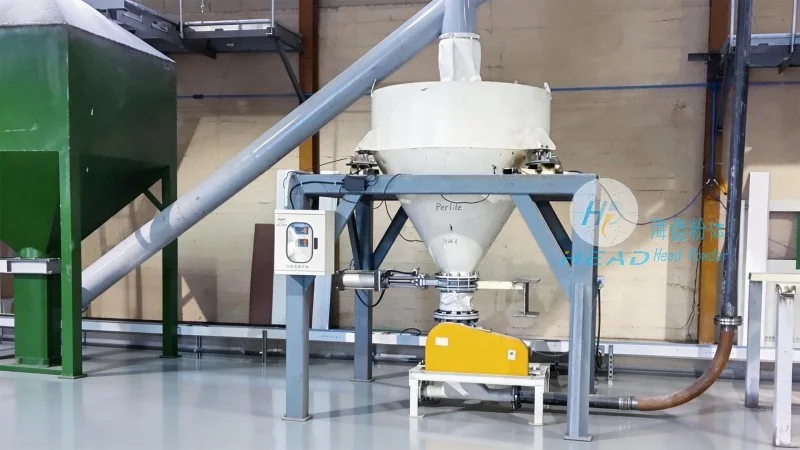
HeadPowder's expertise lies in customizing pneumatic conveying systems to meet the specific needs of each client. The company's engineers work closely with clients to assess their operational requirements, material properties, and facility layout to design an optimal system. For instance, in high-purity applications like pharmaceutical or food processing, systems may incorporate inert gas and specialized filtration to prevent contamination. In contrast, for bulk handling in petrochemical plants, systems may feature higher pressure and larger pipeline diameters to handle larger volumes. The integration of sensors and control systems allows for real-time monitoring of flow rates, pressure, and material levels, enabling automated operation and reducing human intervention. This level of customization ensures that the systems not only meet but exceed the performance expectations of industrial clients, providing reliable and efficient material transport solutions.
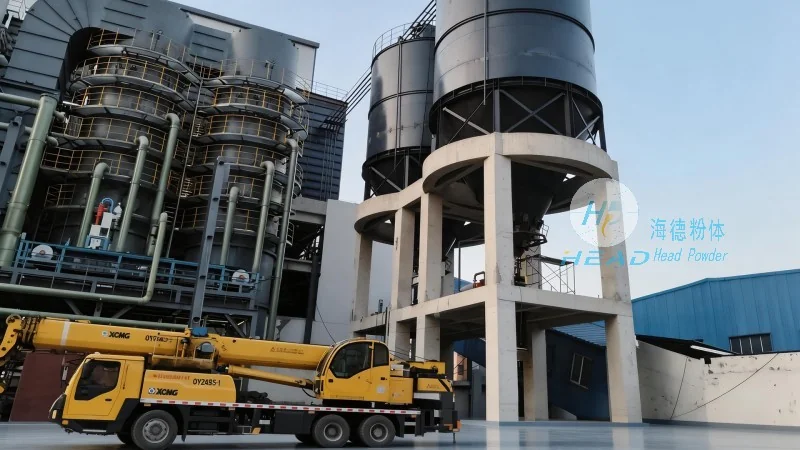
Compared to traditional mechanical conveying methods, polyolefin material pneumatic conveying systems offer several distinct advantages. The primary benefit is the elimination of material contact with mechanical components, which reduces the risk of contamination and wear. This is particularly important for polyolefins used in high-value applications where purity is paramount. Additionally, pneumatic systems provide a more hygienic and clean environment, as the material is contained within the pipeline, minimizing dust and spillage. The systems also offer flexibility in layout, allowing for vertical and horizontal transport, and can be easily integrated with existing plant infrastructure. From an operational standpoint, pneumatic conveying systems are generally more energy-efficient for certain material and distance requirements, as they can optimize gas usage based on the specific load. Furthermore, the ability to handle a wide range of particle sizes and flow rates makes these systems versatile for various polyolefin applications, from fine powders to larger granules. The reliability and durability of these systems, when properly maintained, ensure long-term performance and low total cost of ownership.

 Shandong Headpowder Engineering Co., Ltd.
 156-6277-7102(Manager Zhang)
  0531-83386006
  Zhangqiu District, Jinan City, Shandong Province, China
telephone
WeChatconsult
top