With more than 10‑year industry experience, Shandong Headpowder delivers full‑service pneumatic‑conveying systems and blowers, undertaking nationwide turn‑key powder‑handling projects.
Phosphate iron material handling refers to the process of transporting and managing phosphate iron-based materials, which are commonly used in various industrial applications such as battery manufacturing, chemical processing, and mineral processing. This type of material handling is crucial for ensuring efficient production, safety, and cost-effectiveness in industrial operations. The design principles behind phosphate iron material handling systems are tailored to address the specific characteristics of phosphate iron materials, including their density, abrasiveness, and potential reactivity. By understanding these principles, industries can optimize their material handling processes to enhance productivity and reduce operational risks.
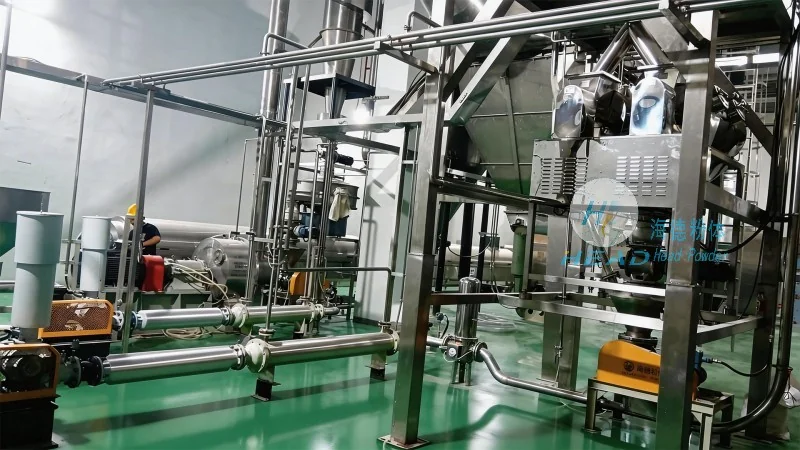
Phosphate iron material handling involves the movement of phosphate iron materials from one location to another within a facility or between different stages of a production process. This can include tasks such as loading, unloading, conveying, and storing phosphate iron materials. The materials are typically transported using specialized equipment like conveyor belts, screw conveyors, bucket elevators, and pneumatic conveying systems. Each type of equipment is chosen based on the specific properties of the phosphate iron material and the operational requirements of the facility. For example, abrasive phosphate iron materials may require heavy-duty conveyor belts with reinforced surfaces to prevent wear and tear, while reactive materials may need to be handled in enclosed systems to minimize exposure to air and moisture.
Shandong HeadPowder Engineering Co., Ltd., commonly known as HeadPowder, is a leading provider of material handling solutions tailored for phosphate iron applications. With a strong presence in China, particularly in Shandong, HeadPowder specializes in designing, manufacturing, and installing customized material handling systems that meet the unique needs of clients in the phosphate iron industry. The company's expertise lies in understanding the challenges associated with handling phosphate iron materials, such as their high density, which can lead to increased wear on equipment, and their potential to cause corrosion or other chemical reactions if not handled properly. HeadPowder's engineers work closely with clients to develop solutions that address these challenges, ensuring that the material handling systems are durable, efficient, and safe.
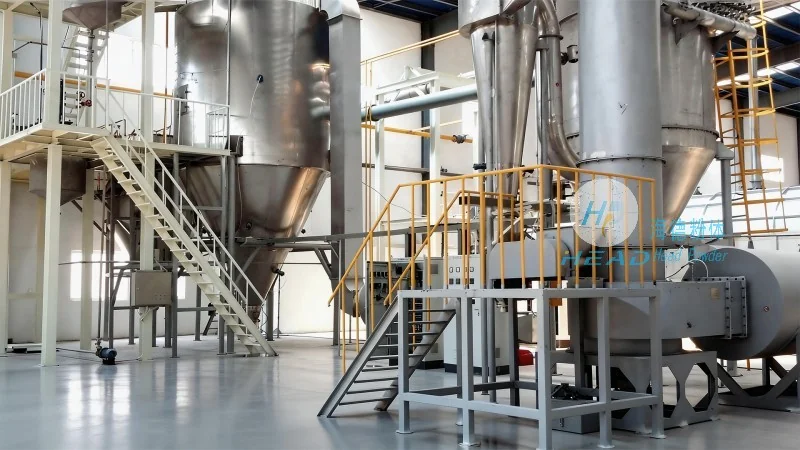
The design of phosphate iron material handling systems follows several critical principles to ensure optimal performance and longevity. First, the system must be designed to handle the specific physical properties of phosphate iron materials, including their size, shape, and density. This involves selecting appropriate equipment that can effectively convey and store the materials without causing excessive wear or damage. Second, the system must prioritize safety, as phosphate iron materials can be hazardous if not handled correctly. This includes implementing measures such as enclosed conveyor systems, dust suppression systems, and proper ventilation to minimize the risk of dust explosions or chemical reactions. Third, the system must be designed for efficiency, with components that can handle high volumes of material while minimizing energy consumption and downtime. Finally, the system must be durable and long-lasting, as phosphate iron materials can be abrasive and corrosive, leading to rapid wear on equipment if not properly protected.
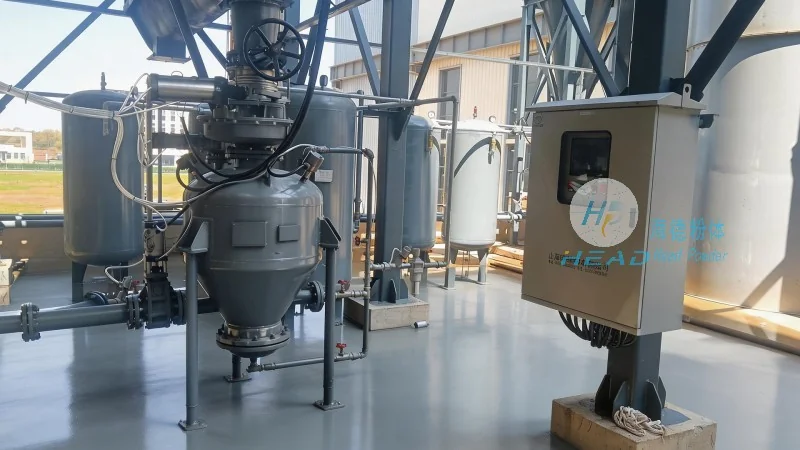
Phosphate iron material handling systems typically consist of several key components and equipment designed to handle the unique characteristics of phosphate iron materials. The primary equipment used includes conveyor belts, which are commonly used for transporting loose phosphate iron materials over short to medium distances. Screw conveyors are another common choice, particularly for vertical or inclined transport, as they can handle materials with high moisture content and are self-priming. Bucket elevators are used for vertical transport of bulk phosphate iron materials, providing a reliable and efficient way to move materials between different levels of a facility. Pneumatic conveying systems are also used, especially for handling fine or dusty phosphate iron materials, as they can transport materials through enclosed pipes using air pressure. Additionally, storage equipment such as silos and hoppers is used to store phosphate iron materials before they are processed or transported to the next stage of production. These components are carefully selected and integrated to form a cohesive material handling system that meets the specific requirements of the phosphate iron industry.
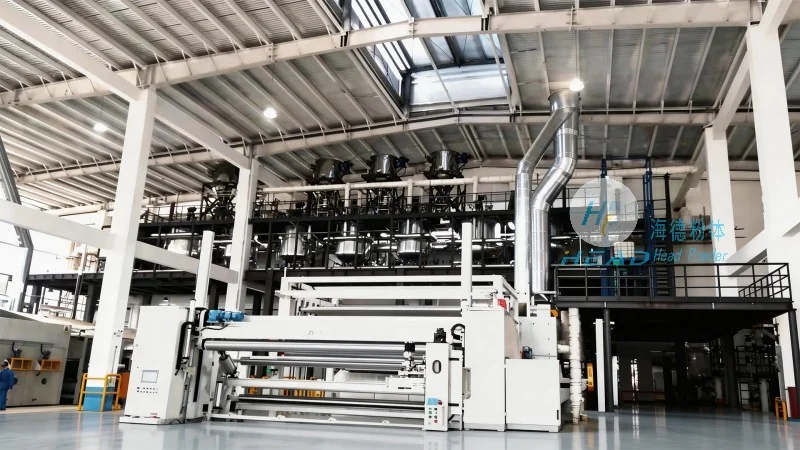
Handling phosphate iron materials presents several challenges that must be addressed through careful system design and maintenance. One of the main challenges is the abrasive nature of phosphate iron, which can cause significant wear on conveyor belts, screw conveyors, and other equipment components. To mitigate this, HeadPowder recommends using heavy-duty materials for conveyor belts, such as rubber or polyurethane, and adding protective liners or covers to equipment. Another challenge is the potential for corrosion, as phosphate iron materials can be acidic and may cause rust or other chemical reactions on metal surfaces. To prevent this, the use of corrosion-resistant materials, such as stainless steel or coated metals, is recommended. Additionally, the risk of dust explosions is a major concern when handling phosphate iron materials, as they can be fine and combustible. To address this, dust suppression systems and proper ventilation are essential components of any phosphate iron material handling system. HeadPowder's engineers work with clients to identify these challenges and develop tailored solutions that ensure the safety and efficiency of the material handling process.
Phosphate iron material handling is a critical aspect of industrial operations, and the design principles behind these systems are essential for ensuring efficiency, safety, and cost-effectiveness. By understanding the unique properties of phosphate iron materials and implementing appropriate design principles, industries can optimize their material handling processes. Shandong HeadPowder Engineering Co., Ltd. plays a vital role in this by providing customized material handling solutions that address the specific challenges of phosphate iron applications. With their expertise and commitment to quality, HeadPowder helps clients in China, particularly in Shandong, to improve their material handling operations and achieve their production goals. Whether it's designing a new system or upgrading an existing one, HeadPowder's solutions are designed to meet the needs of the phosphate iron industry and ensure long-term success.

 Shandong Headpowder Engineering Co., Ltd.
 156-6277-7102(Manager Zhang)
  0531-83386006
  Zhangqiu District, Jinan City, Shandong Province, China
telephone
WeChatconsult
top