With more than 10‑year industry experience, Shandong Headpowder delivers full‑service pneumatic‑conveying systems and blowers, undertaking nationwide turn‑key powder‑handling projects.
Automatic bulk bag unpacking and material conveying systems represent a critical advancement in material handling technology, particularly for industries dealing with bulk powders and granules. These systems streamline the process of transferring materials from bulk bags to storage or processing equipment, enhancing efficiency and reducing manual labor. The following discussion explores the fundamental principles behind such systems and highlights key characteristics of their operational environments.
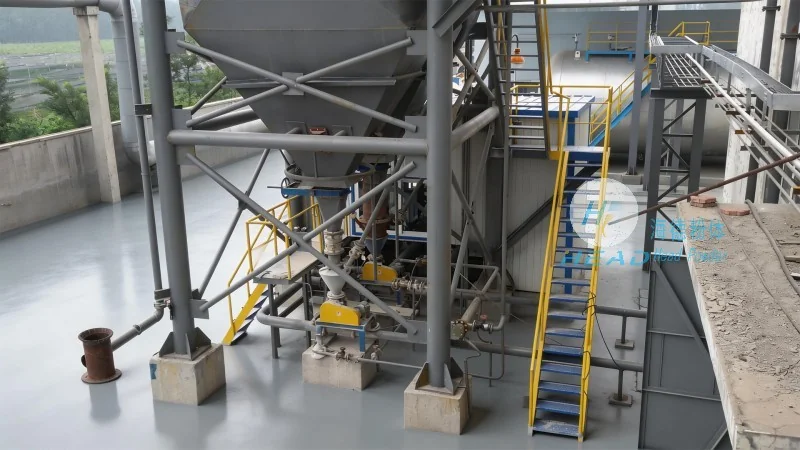
The operation of an automatic bulk bag unpacking system is built upon several interconnected mechanisms designed to handle the entire process from bag opening to material discharge. A typical system includes a frame structure that supports the bulk bag, a bag lifting mechanism to secure the bag during handling, and a discharge valve or spout that controls the material flow. The system may also incorporate a hopper or conveyor to transport the material from the bag to the next stage of processing. The principle of operation involves the sequential activation of these components to ensure a controlled and efficient transfer of material.
Key components include the bag lifting and securing device, which uses straps or clamps to hold the bag in place, preventing it from shifting during the discharge process. The discharge valve, often a bottom discharge valve or a spout with a gate mechanism, regulates the flow rate of the material. In some systems, a vacuum or pressure-assisted mechanism is employed to enhance the discharge of cohesive or fine powders, ensuring complete emptying of the bag. The integration of these components allows for a fully automated process that minimizes human intervention and reduces the risk of material spillage or contamination.
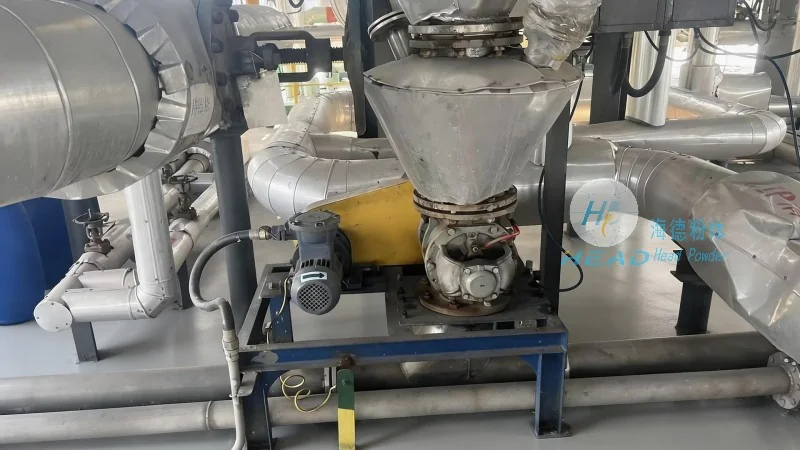
The operational environment of automatic bulk bag unpacking systems varies significantly based on the industry and the type of material being handled. For instance, in the chemical industry, these systems are commonly used for transferring chemicals, pigments, and other powders that require precise control over discharge to prevent caking or degradation. In the food and pharmaceutical sectors, the systems are designed with sanitary features, such as stainless steel construction and easy-to-clean surfaces, to meet stringent hygiene standards. The working scene characteristics also include considerations of space constraints, as some systems are compact and can be installed in limited areas, while others are more robust for heavy-duty applications.
In manufacturing plants, the systems are often integrated into larger material handling lines, working in conjunction with conveyors, storage silos, and processing equipment. The efficiency of these systems is measured by factors such as discharge time, material recovery rate, and operational reliability. For example, in a cement or fertilizer plant, the system may handle large volumes of bulk materials, requiring high-capacity discharge mechanisms to maintain production throughput. The working scene may also involve multiple bulk bags being processed sequentially, with the system designed to handle different bag sizes and types without manual adjustment.
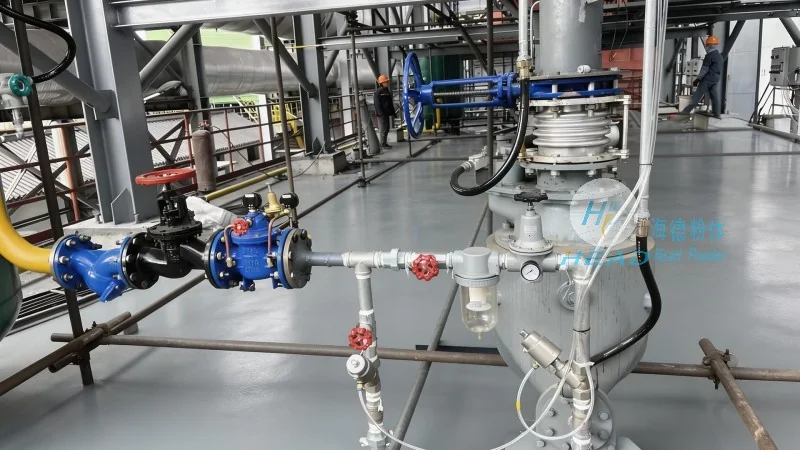
Automatic bulk bag unpacking and material conveying systems offer several advantages over traditional manual methods. These include increased operational efficiency, reduced labor costs, and improved safety by minimizing the need for workers to handle heavy or potentially hazardous bulk bags. The systems also enhance material accuracy by controlling the discharge rate, which is crucial for processes that require precise dosing, such as in pharmaceutical manufacturing or chemical formulation. Additionally, the automated nature of the system reduces the risk of human error and ensures consistent performance, leading to higher overall productivity.
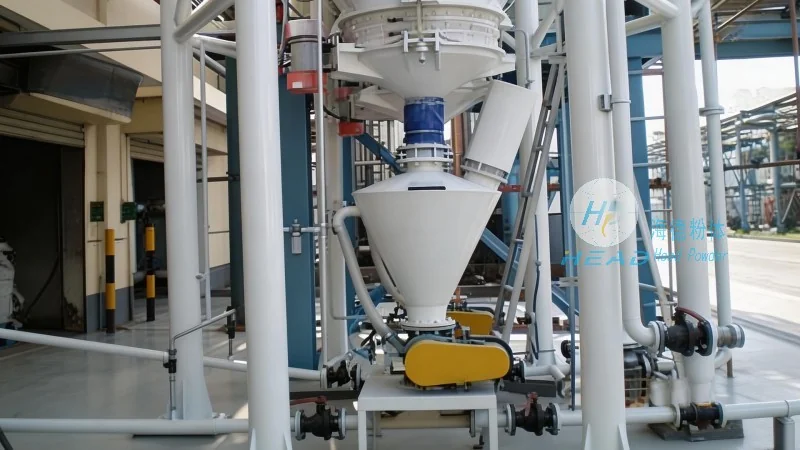
Practical considerations for implementing such systems include the selection of appropriate equipment based on the material's properties, such as its flowability, moisture content, and potential for caking. The system must be designed to handle the specific characteristics of the bulk bag, including its size, material, and closure type. For example, some systems are equipped with bag cleaning mechanisms to remove residual material from the bag, improving material recovery rates. The operational environment, including temperature and humidity, also plays a role in the system's performance, as certain materials may degrade or become sticky under specific conditions.
Automatic bulk bag unpacking material conveying systems are essential tools for modern material handling, offering a combination of efficiency, safety, and precision. By understanding the core principles of these systems and the characteristics of their working environments, industries can select and implement the most suitable solutions to meet their specific needs. As technology continues to advance, these systems are likely to become even more integrated with automation and data analytics, further enhancing their capabilities and contributing to improved operational performance.

 Shandong Headpowder Engineering Co., Ltd.
 156-6277-7102(Manager Zhang)
  0531-83386006
  Zhangqiu District, Jinan City, Shandong Province, China
telephone
WeChatconsult
top