With more than 10‑year industry experience, Shandong Headpowder delivers full‑service pneumatic‑conveying systems and blowers, undertaking nationwide turn‑key powder‑handling projects.
Phenolic resin material handling is a critical process in various industrial settings, involving the efficient transport and management of phenolic resin materials. Understanding the underlying principles and the diverse application scenarios is essential for optimizing operational efficiency and ensuring product quality. This article explores the fundamental mechanisms of phenolic resin material handling and highlights key characteristics of its application environments.
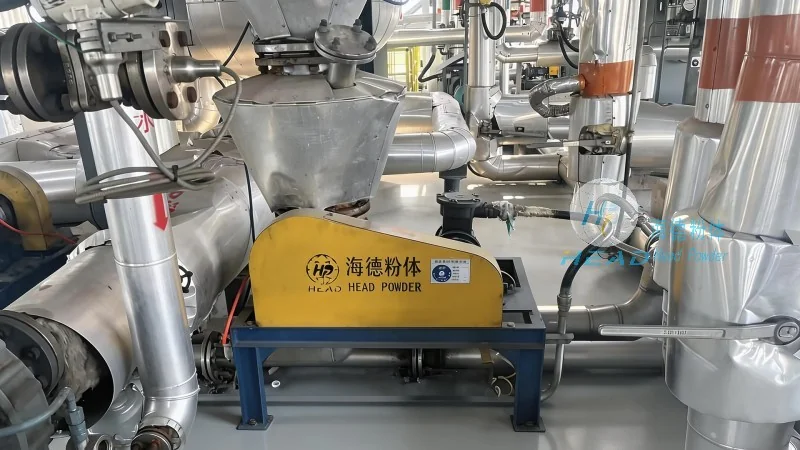
Phenolic resin, a synthetic polymer derived from phenol and formaldehyde, is widely used in manufacturing processes due to its excellent mechanical properties, thermal stability, and chemical resistance. Material handling for phenolic resin involves the movement of raw materials, intermediate products, and finished goods from one stage of production to another. The core objective is to ensure a continuous, reliable, and safe flow of materials while minimizing downtime and operational costs.
The principles of phenolic resin material handling are grounded in the need for consistent material flow, proper containment, and effective control of the material's physical properties. Key principles include:
1. **Mechanical Efficiency**: Utilizing appropriate equipment such as conveyor belts, screw conveyors, and pneumatic systems to achieve smooth and continuous material transport. The choice of equipment depends on factors like material density, flowability, and the required throughput.
2. **Material Compatibility**: Ensuring that the handling equipment is compatible with phenolic resin's chemical and physical characteristics. This includes selecting materials for conveyor components (e.g., stainless steel, polyurethane) that resist corrosion and wear from the resin.
3. **Process Integration**: Integrating material handling systems with other production processes to maintain a seamless workflow. This involves coordinating with mixing, molding, and packaging stages to avoid bottlenecks and ensure timely delivery of materials.
Several types of equipment are commonly employed in phenolic resin material handling, each tailored to specific operational needs:
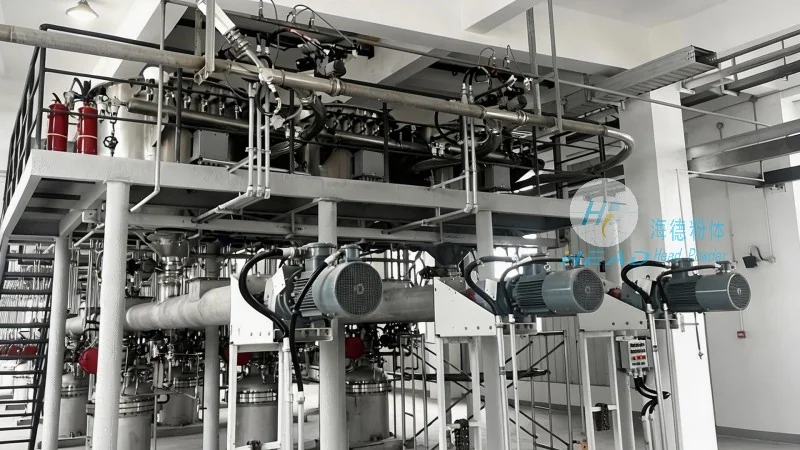
**Conveyor Systems**: Belt conveyors are widely used for transporting bulk phenolic resin over short to medium distances. They are particularly effective for handling loose materials and can be equipped with special features like incline or decline sections to adapt to different production layouts.
**Screw Conveyors**: These are ideal for vertical or inclined material transport, especially when dealing with powders or granules. Screw conveyors provide a compact solution for moving phenolic resin from storage silos to processing units, ensuring minimal material spillage and contamination.
**Pneumatic Conveying Systems**: For applications requiring high precision and low contamination, pneumatic systems use air pressure to transport phenolic resin particles. This method is suitable for sensitive materials and can handle fine powders efficiently.
The application scenarios for phenolic resin material handling vary significantly across industries, each presenting unique challenges and requirements. Understanding these characteristics helps in designing tailored solutions that meet specific operational demands.
**Chemical Manufacturing Plants**: In chemical plants, phenolic resin is often used as a raw material for producing adhesives, coatings, and composites. The material handling systems here must handle large volumes of resin and ensure precise dosing for consistent product quality. The work environment is typically industrial, with high temperatures and chemical exposure, necessitating robust equipment and safety measures.
**Automotive and Aerospace Industries**: Phenolic resin is used in the production of high-performance components, such as brake pads and structural parts. The material handling in these sectors requires high accuracy and minimal material loss, as even small variations can impact the performance of final products. The work scenes are often characterized by strict quality control and adherence to regulatory standards.
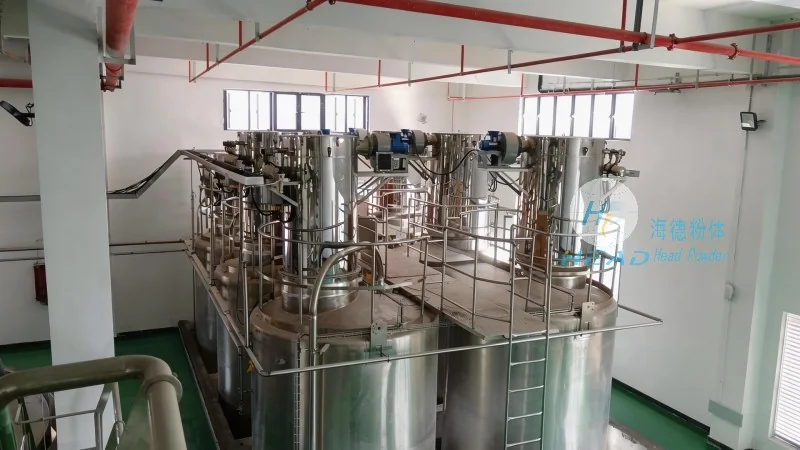
**Electronics Manufacturing**: In electronics, phenolic resin is used in circuit board manufacturing and encapsulation processes. The material handling systems must maintain a clean environment to prevent contamination, as even trace amounts of resin can affect the functionality of electronic components. This requires specialized equipment like vacuum conveyors and enclosed systems.
Effective phenolic resin material handling involves several operational considerations that ensure optimal performance and longevity of the equipment. These include:
1. **Regular Maintenance**: Regular inspection and maintenance of conveyor systems, screw conveyors, and pneumatic components are crucial to prevent breakdowns and extend equipment life. This includes cleaning, lubrication, and replacement of worn parts.
2. **Material Handling Safety**: Implementing safety protocols to protect workers from potential hazards, such as resin dust, mechanical injuries, and chemical exposure. This includes using personal protective equipment (PPE), proper ventilation, and emergency stop mechanisms.
3. **Process Monitoring**: Utilizing sensors and control systems to monitor material flow, temperature, and pressure in real-time. This allows for immediate adjustments to maintain optimal operating conditions and prevent issues like clogging or overloading.
Phenolic resin material handling is a complex yet essential process that underpins the efficiency of various industrial operations. By adhering to the principles of mechanical efficiency, material compatibility, and process integration, and by selecting appropriate equipment tailored to specific application scenarios, industries can achieve reliable and cost-effective material transport. The work scene characteristics, ranging from chemical manufacturing to electronics, demand customized solutions that address unique challenges and ensure product quality. With proper operational considerations, including regular maintenance and safety measures, phenolic resin material handling systems can deliver consistent performance and contribute to overall production success.

 Shandong Headpowder Engineering Co., Ltd.
 156-6277-7102(Manager Zhang)
  0531-83386006
  Zhangqiu District, Jinan City, Shandong Province, China
telephone
WeChatconsult
top